
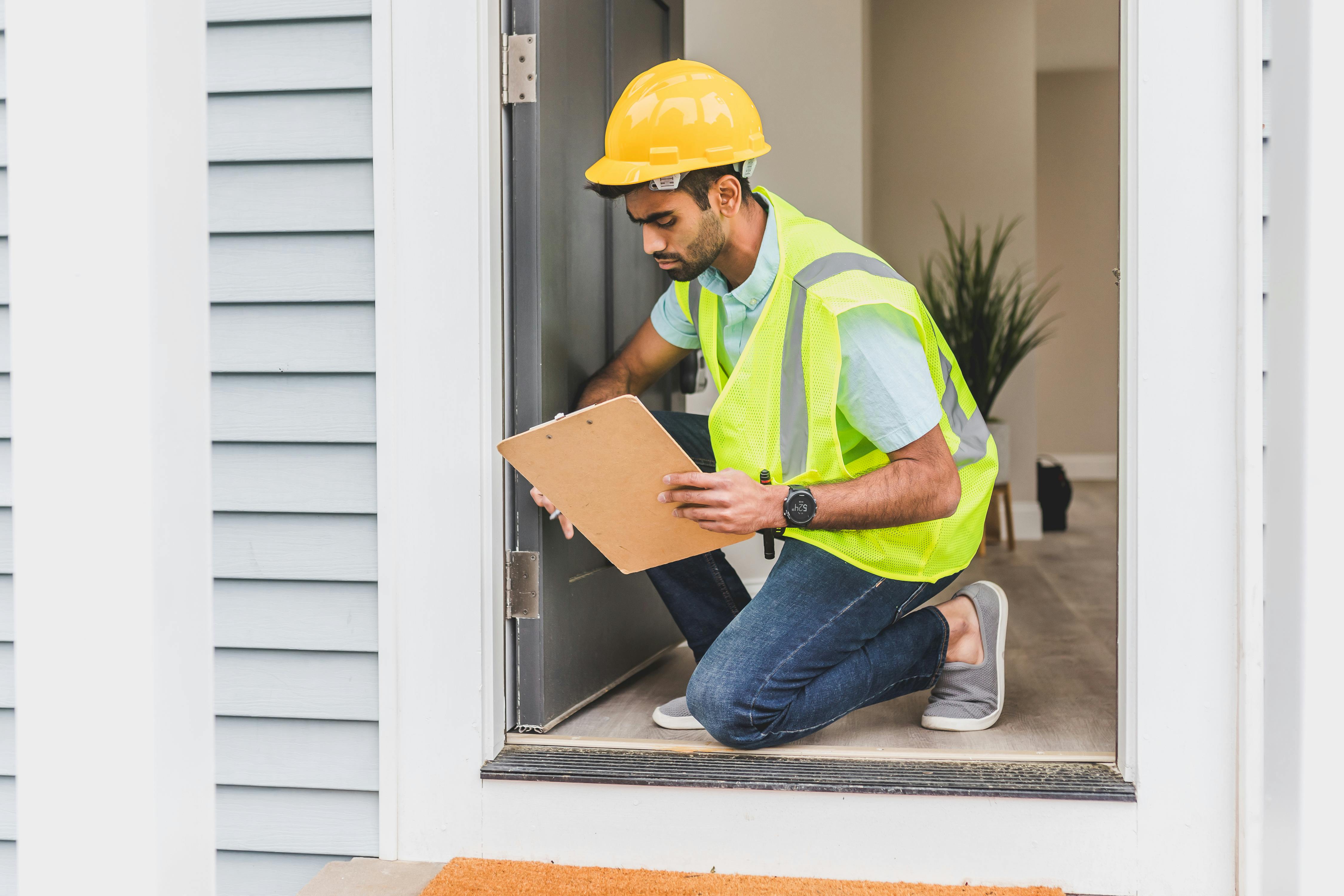
A new rule proposed in Florida could change how engineers evaluate building damage after storms, fires, and other disasters. The rule is being considered by the Florida Board of Professional Engineers (FBPE). It is called Rule Chapter 61G15-38, and it focuses on how engineers assess damaged buildings.
This proposed rule would become part of the Florida Administration Code, which contains rules created by state agencies to enforce Florida Statutes and guide professional regulation in Florida. Most rule chapters in the Florida Administration Code include a section explaining the “organization and purpose” of the rule. The organization and purpose section helps explain why the rule exists and how it fits within the broader regulatory framework for licensed engineers.
At first glance, the rule may sound like a simple update to engineering standards. But many professionals believe the proposal could have serious effects on property owners, engineers, and legal cases involving property damage.
In this blog post, we explain what the rule is, why it was proposed, and how it could affect people dealing with insurance claims.
Why the New Rule Was Proposed
The Florida Board of Professional Engineers regulates engineers in the state. The Board oversees professional regulations for licensed engineers, including applications for licensure, education requirements, and license renewal standards.
The Board has said it receives complaints about engineering reports involving damaged buildings, especially after storms.
Many of these complaints involve disagreements about the cause of damage to roofs, walls, windows, and other parts of a building. For example, a property owner may believe a hurricane caused the damage, while an insurer may claim the damage came from wear and tear.
According to the Board, it can be difficult to discipline engineers when these disputes arise. Existing rules mainly focus on the design of new buildings rather than investigations of damaged ones.
Because of this, the Board says it wants clearer rules for engineers who evaluate damaged buildings. These new standards would be added to the Florida Administration Code to clarify engineering responsibility rules, supervision standards, and expectations during investigations of damaged structures.
The proposed rule would create new standards for how engineers conduct inspections and prepare reports.
What the Proposed Rule Would Require
The proposed rule would introduce detailed requirements for how engineers perform damage evaluations.
Some of the expected changes include:
More detailed reports.
Engineers may have to produce formal written reports for every damage investigation.
More testing and documentation.
Investigations could require additional testing and technical analysis to support conclusions.
Strict evaluation procedures.
Engineers may have to follow specific steps and criteria when assessing damage.
Component-specific standards.
Different building parts, like roofs, walls, windows, and water intrusion systems, may each have their own evaluation rules.
These rules would likely become part of broader responsibility rules and supervision standards that engineers must follow when performing forensic inspections.
The goal of these rules is to create consistency and improve the quality of engineering reports.
But critics say the rule may go too far.
Concerns About a “Checklist” Approach
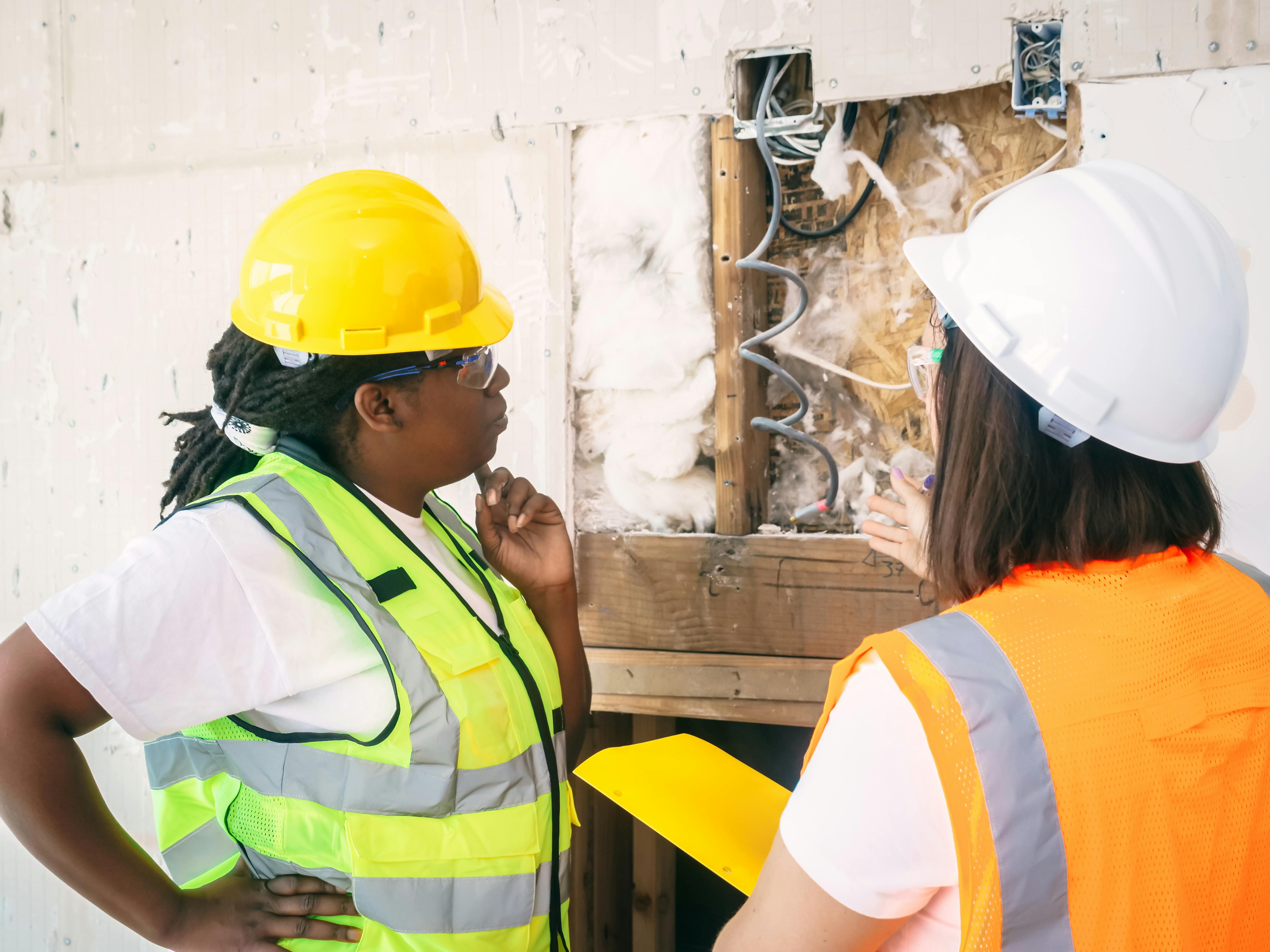
Many engineers and legal professionals worry that the rule could turn engineering evaluations into a strict checklist process.
Traditionally, engineering involves professional judgment. Engineers look at evidence, use their expertise, and apply scientific principles to determine what caused damage.
Under the proposed rule, an engineer might still produce a technically sound report, but if the report fails to include every required step or checklist item, the engineer could still face disciplinary proceedings from regulators.
In other words, even if the science is correct, the engineer could still be punished for not following the exact format required by the rule.
Because engineers must maintain their licenses through strict license renewal requirements and comply with Florida Statutes governing engineering practice, the risk of disciplinary action may discourage some engineers from taking certain cases.
Critics argue this approach could discourage engineers from working on complex property damage disputes.
Higher Costs for Property Owners
Another major concern is cost.
Damage evaluations are already expensive. Engineers must inspect the property, review weather data, analyze building materials, and prepare technical reports.
If the proposed rule requires additional testing, documentation, and outside experts, the cost of these investigations could increase dramatically.
Some professionals believe the cost of engineering evaluations could double or even triple.
For property owners dealing with storm damage, this could create a serious barrier.
Many homeowners or building owners already struggle to pay for repairs. If engineering evaluations become too expensive, they may not be able to prove their claims against insurance companies.
Fewer Engineers Willing to Take Cases
The proposed rule could also affect the number of engineers willing to perform forensic evaluations.
Forensic engineers often work on cases where the cause of damage is disputed. Their opinions are sometimes used in insurance claims and lawsuits.
These cases can already be challenging. If the new rule exposes engineers to disciplinary proceedings for technical checklist requirements, some engineers may choose not to work on these cases at all.
This could create a shortage of experts willing to evaluate property damage disputes.
When fewer experts are available, cases become harder to prove and more expensive to pursue.
Impact on Property Insurance Disputes
Engineering reports play a critical role in many property insurance claims.
After hurricanes, fires, or building collapses, engineers are often asked to determine:
- What caused the damage
- Whether the damage occurred during a specific event
- Whether the damage was pre-existing
- Whether repairs are needed
These opinions can influence whether an insurance claim is approved or denied.
If engineering evaluations become more expensive or harder to obtain, it could affect how property damage claims are resolved.
Some experts worry that property owners could face more difficulty challenging insurance denials if qualified engineers become harder to hire.
The Rule Is Not Final Yet
It is important to note that the rule has not been finalized.
The Florida Board of Professional Engineers is still accepting public comments on the proposal.
Public feedback is an important part of the regulatory process. State agencies often revise proposed rules in the Florida Administration Code after hearing from engineers, attorneys, and property owners.
During this process, the Board may revise or change parts of the rule before it becomes final.
Why Property Owners Should Pay Attention
While the rule focuses on engineers, its impact could reach far beyond the engineering profession.
If the rule increases the cost and complexity of damage evaluations, the effects may be felt by:
- Homeowners after hurricanes
- Condominium associations dealing with structural damage
- Commercial property owners with large loss claims
- Contractors and developers involved in disputes
- Attorneys handling property damage cases
Engineering evaluations are often the foundation of a property damage claim. When those evaluations become more difficult to obtain, it can affect the entire claims process.
Why This Rule Matters for Florida Property Owners
The proposed engineering rule in Florida could significantly change how building damage evaluations are conducted.
Supporters believe the rule will improve accountability and report quality.
Critics warn it could replace professional judgment with rigid checklist compliance, increase costs, and reduce access to engineers for property owners.
As Florida continues to face hurricanes, severe storms, and other disasters, the way building damage is evaluated matters more than ever.
Property owners, engineers, and legal professionals should closely watch how this rule develops in the coming months.
The final version could shape property damage investigations in Florida for years to come.
Have Questions About a Property Damage Claim?
If your insurance company denied or underpaid your claim after a storm, fire, or other disaster, you do not have to face it alone.
The attorneys at Vargas Gonzalez Delombard, LLP, focus on helping property owners recover what they are owed under their insurance policies. Our team works with engineers, adjusters, and other experts to investigate damage and hold insurers accountable.
Contact us today for a free consultation and learn how we may be able to help with your claim.