This guide is written in simple steps you can follow right after a storm, especially if you’re dealing with:
- Frozen pipes (and water pouring into your home)
- Roof leaks or roof collapse risk from heavy snow/ice
- Power-outage damage (spoiled food, frozen homes, unsafe heaters)
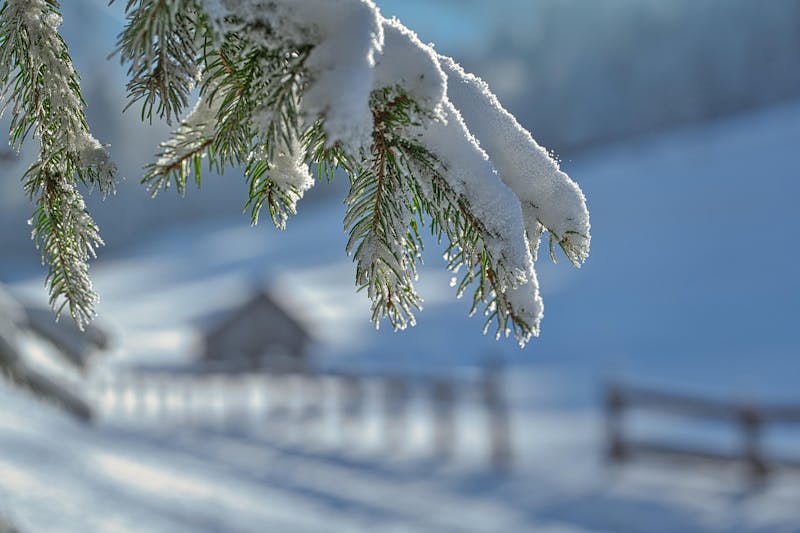
FEMA warns that after winter storms, you may face power outages and dangers like home fires, carbon monoxide poisoning, and hypothermia.
Step 1: Safety first (before you touch anything)
If your power is out
- Use flashlights, not candles. The Red Cross warns candles to increase fire risk during winter storms.
- If you use a generator, keep it outside only. Put it at least 20 feet from doors, windows, and vents.
- Make sure you have working carbon monoxide (CO) alarms. The Red Cross and CDC both stress CO safety during outages.
If you see the roof sagging or big cracks
Get out and stay out. Heavy snow and ice can overload roofs. When snow/ice can’t drain and pile up, it adds weight and raises the risk of roof failure.
If you see downed power lines
Stay far away and call the utility company. (Do not touch them, even if they “look dead.”)
Step 2: Frozen pipes and water damage, what to do right now
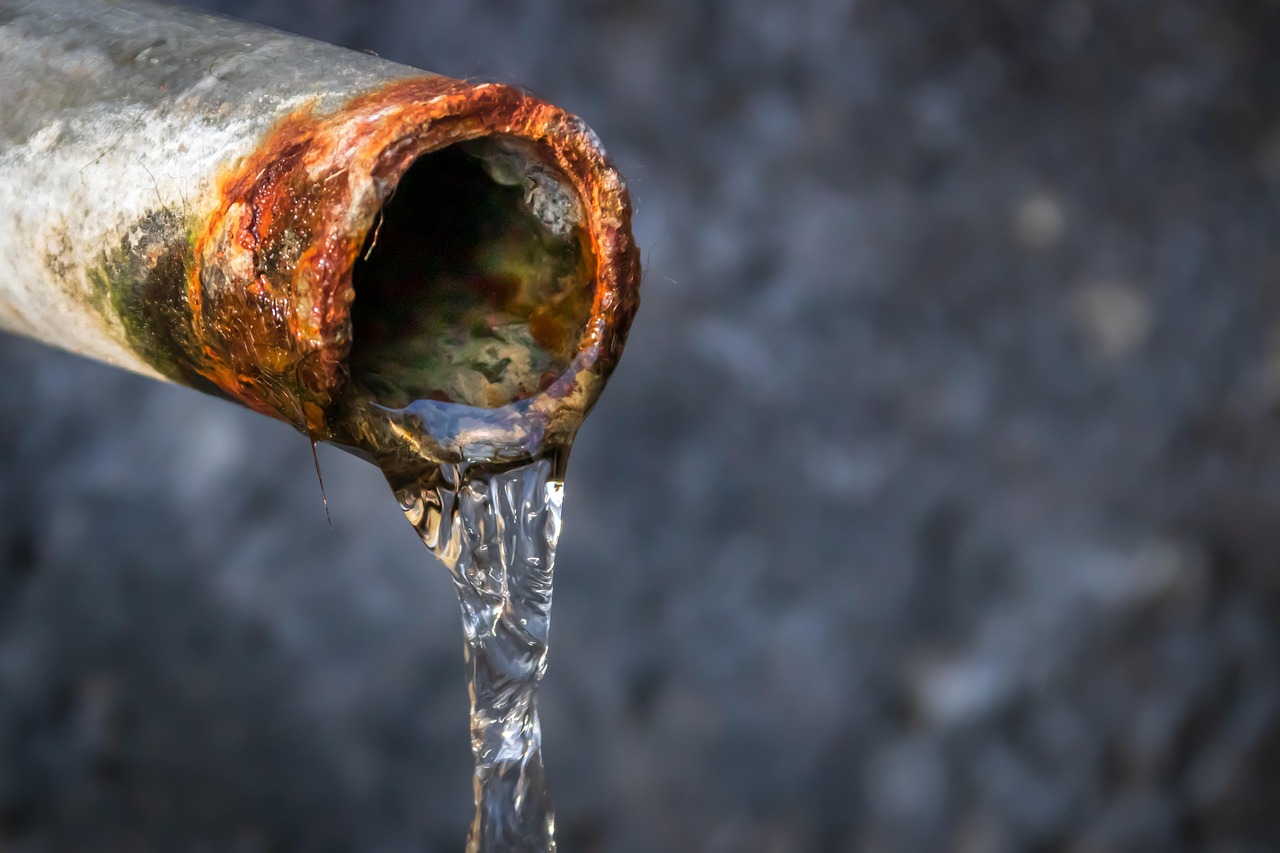
Frozen pipes are one of the most common and expensive winter problems.
If a pipe bursts or is leaking
- Shut off the main water valve (usually near where the water line enters your home).
- If water is near outlets or wiring, turn off electricity to that area if it is safe to do so.
- Start drying: towels, fans, wet/dry vacuum, and open doors to increase airflow.
FEMA’s winterizing guidance also teaches people to protect pipes and reduce freezing risk (like insulating and draining outdoor hoses).
If you think a pipe is frozen but not burst yet
- Open the faucet a little. This can help relieve pressure as ice melts.
- Warm the area slowly (space heater nearby, warm towels).
- Never use an open flame.
Step 3: Roof leaks, ice dams, and “too much weight” problems
After ice or heavy snow, you might notice:
- Water stains on ceilings
- Dripping near outside walls
- Big icicles or thick ice at the roof edge
This can be an ice dam problem. When melting snow refreezes at the roof edge, water can back up under shingles and leak inside. IBHS explains that trapped snow/ice/water adds weight and can increase the risk of roof failure.
What to do
- Do not climb on an icy roof. It’s not worth the fall.
- If you have a safe roof rake from the ground, you can remove some snow (only if it’s safe).
- For heavy buildup or roof sagging, call a professional.
Step 4: Power-outage damage checklist
Power outages don’t just mean “no lights.” They can cause damage and safety risks.
Protect your family
- Keep generators outdoors and far from the house (20 feet).
- Never heat your home with a stove or grill. CDC warns this can cause deadly carbon monoxide poisoning.
- The Red Cross has a power outage safety guide (planning, food, medicines, and safe lighting).
Protect your home
- If temperatures are below freezing, open cabinet doors under sinks (if safe) so warm air can reach pipes.
- If you leave your home, keep heat on if possible (many homes are damaged when heat is off too long).
Step 5: How Homeowners Should Document Property Damage for Insurance Coverage
When you’re safe, start documenting.
Take photos and video
- Wide shots (whole room)
- Close-ups (cracks, soaked drywall, broken pipe)
- Serial numbers for damaged items (if you can)
Save every receipt
Temporary repairs, hotel stays, fans, dehumidifiers, keep it all.
- Missouri: The Missouri Department of Commerce and Insurance tells storm-impacted residents to document damage, take photos before temporary repairs, keep receipts, and contact the insurance company promptly.
- Texas: The Texas Department of Insurance says to file a claim quickly and use photos/video and a list of damage to help you get paid.
TDI also notes many homeowners' policies may pay for damage from a frozen pipe that bursts, but coverage can have limits—so call your agent/company to confirm.
- New York: NY DFS advises people after disasters to file claims promptly and ask the insurer exactly what documents they need.
Step 6: Temporary Repairs Without Hurting Your Insurance Claim
Insurance usually expects you to stop damage from getting worse. That can mean:
- Tarping a roof leak
- Removing soaked carpet
- Boarding a broken window
Just remember:
- Take photos before and after.
- Keep damaged parts if possible (like a broken pipe section), or take clear photos if you must discard it.
Step 7: When Homeowners Should Ask for Professional Help
Call a pro right away if you have:
- Sewage backup
- Major roof sagging
- Water-soaking ceilings and walls
- Mold smells a few days later
- Electrical sparking or burning smells
And if your insurance claim feels delayed, confusing, or underpaid, you can contact your state's consumer resources (Texas DOI, Missouri DCI, or NY DFS) for guidance and complaint steps.
Understanding Your Homeowner Policy, Coverage, and Storm Damage Rights
Many homeowners believe all storm damage is covered. That is not always true.
Your homeowner policy may have limits on:
- Frozen pipe damage
- Roof damage from snow
- Power-outage losses
- Mold damage
- Long-term leaks
Insurance companies may argue that the damage happened slowly or was caused by poor maintenance.
Knowing your coverage and policy rights helps protect your property and finances after winter weather.

Contact Vargas Gonzalez Delombard, LLP for Help With Your Winter Storm Insurance Claim
If your property was damaged by snow, ice, or winter storms in Texas, Missouri, or New York, you do not have to handle the insurance company alone.
Get Help from Vargas Gonzalez Delombard, LLP
Vargas Gonzalez Delombard, LLP helps homeowners fight back when insurance companies delay, deny, or underpay storm damage claims.
Our team works with property owners dealing with:
- Frozen pipe water damage
- Roof collapse and leaks
- Power-outage losses
- Winter weather insurance disputes
- Underpaid homeowner claims
Contact us today for a free case review.
We will review your policy, explain your coverage, and help you protect your rights and your coverage, and help you protect your rights.