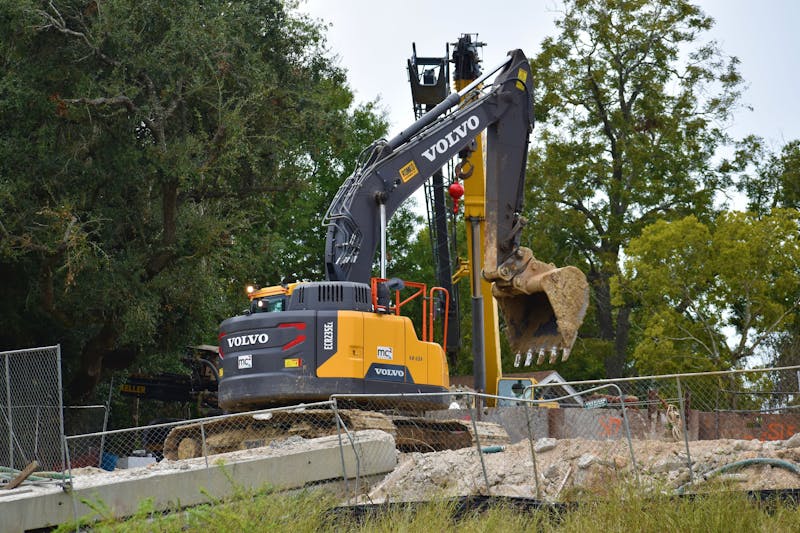
From hailstorms in Dallas to hurricanes along the Gulf Coast, construction projects in Texas face serious risks. Texas consistently experiences some of the highest levels of weather-related property damage in the country, with billions of dollars lost each year due to storms, wind, and flooding.
If you're building or renovating a property, builder’s risk insurance is one of the most important forms of insurance coverage you can have, especially when dealing with complex property risks during construction.
This guide explains how builder’s risk insurance works in Texas, what it covers, and what to do if your claim is delayed or denied.
What Is Builder’s Risk Insurance?
Builder’s risk insurance is a temporary insurance policy that protects a property while it is under construction or renovation.
It typically covers:
- The building or structure being built
- Materials and supplies on-site (and sometimes in transit or off-site)
- Temporary structures related to the project
- Damage caused by events like fire, wind, hail, or theft
This type of policy usually remains in place until the project is completed, occupied, or reaches a specified milestone.
Why Builder’s Risk Insurance Matters in Texas
Texas construction projects face unique risks that make proper insurance coverage critical.
1. Severe Weather Exposure
Texas regularly experiences:
- Hailstorms
- Strong wind events and tornadoes
- Hurricanes and tropical storms along the coast
These events can cause major damage mid-construction, leading to significant losses and delays.
2. Rapid Growth = Higher Financial Risk
Cities like Houston, Dallas, and Austin continue to see major construction growth. That means:
- Higher project values
- Greater financial exposure
- More at stake if something goes wrong
Even a short delay or partial loss can significantly impact a project’s financial outcome.
What Does Builder’s Risk Insurance Cover?
Most builder’s risk policies in Texas cover direct physical loss or damage to the insured project, including:
Covered Losses
- Fire and lightning
- Wind and hail damage
- Theft and vandalism
- Certain types of water damage
- Damage to materials during construction
Additional Coverage (Often Optional)
Depending on the policy, additional coverage may be available for:
- Soft costs (permits, financing costs, design fees)
- Debris removal
- Temporary structures
- Materials stored off-site or in transit
Because coverage varies significantly by policy and endorsements, it is critical to review your specific insurance terms carefully.
What Builder’s Risk Insurance Does NOT Cover
This is where many claims run into problems.
Common exclusions may include:
- Flood damage (unless added separately)
- Earth movement (such as earthquakes or soil shifting)
- Wear and tear or lack of maintenance
- Employee theft or dishonest acts
- Faulty workmanship (though resulting damage may be treated differently depending on the policy)
- Losses outside the policy period
Important: Builder’s risk insurance does not cover bodily injury or liability. A separate general liability policy is required for those risks.

Who Needs Builder’s Risk Insurance in Texas?
Builder’s risk insurance is commonly purchased by or required for:
- Property owners
- Developers
- General contractors
In many cases, the construction contract determines who is responsible for obtaining coverage.
Coverage typically applies only to the parties named in the policy or otherwise included as insureds, so it is important to confirm how the policy is structured.
How Much Does Builder’s Risk Insurance Cost?
In Texas, builder’s risk insurance usually costs:
1% to 3% of the total construction value
The cost depends on:
- Location (coastal vs inland)
- Type of construction
- Project length
- Materials used
- Coverage limits and deductibles
The insurance industry evaluates these factors closely, especially in high-risk areas where severe weather is common.
Common Reasons Builder’s Risk Claims Are Denied
Even when you have coverage, claims are not always paid fairly. Many policyholders face challenges during the claim process.
Here are some of the most common issues we see:
1. The Damage Is Blamed on an Exclusion
Insurance companies may argue:
- The damage was caused by flooding
- The issue existed before construction
- The loss falls outside policy terms
These types of coverage issues are common in disputed cases.
2. Underinsured Projects
If your coverage limit is too low, the insurer may not pay the full cost of repairs, impacting your ability to fully recover from the insurance loss.
3. Delays or Documentation Issues
Missing paperwork or delayed reporting can complicate the claim process and result in denials.
4. Disputes Over Cause of Damage
In Texas, insurers often argue whether damage was caused by:
- Wind (covered)
- Water (not covered)
These disputes frequently lead to litigation, especially in large commercial cases.
5. Lowball Estimates
Even when claims are approved, insurers may offer less than the true cost of repair, creating additional challenges for policyholders seeking full recovery.
What Exclusions Are Common in Builder’s Risk Insurance Policies?
Understanding exclusions is just as important as understanding your insurance coverage. Many policyholders assume they are fully protected, only to discover gaps when a claim arises.
Some of the most common exclusions in builder’s risk insurance policies include:
- Flood damage (unless added through a separate endorsement)
- Earth movement, such as earthquakes or soil shifting
- Wear and tear or faulty maintenance
- Employee theft or dishonest acts
- Damage caused by poor workmanship (in some policies)
- Losses occurring outside the policy period
These exclusions often lead to serious coverage issues, especially when insurers argue that the damage falls outside the scope of the policy.
In Texas, disputes over exclusions are one of the most common reasons for cases to move into litigation. The insurance industry may rely heavily on policy language to deny or limit claims, which is why it’s critical for policyholders to fully understand their coverage before a loss occurs.
If an insurance loss is denied based on an exclusion, it does not always mean the denial is valid. An experienced attorney can review the policy and determine whether the denial complies with the Texas Insurance Code.
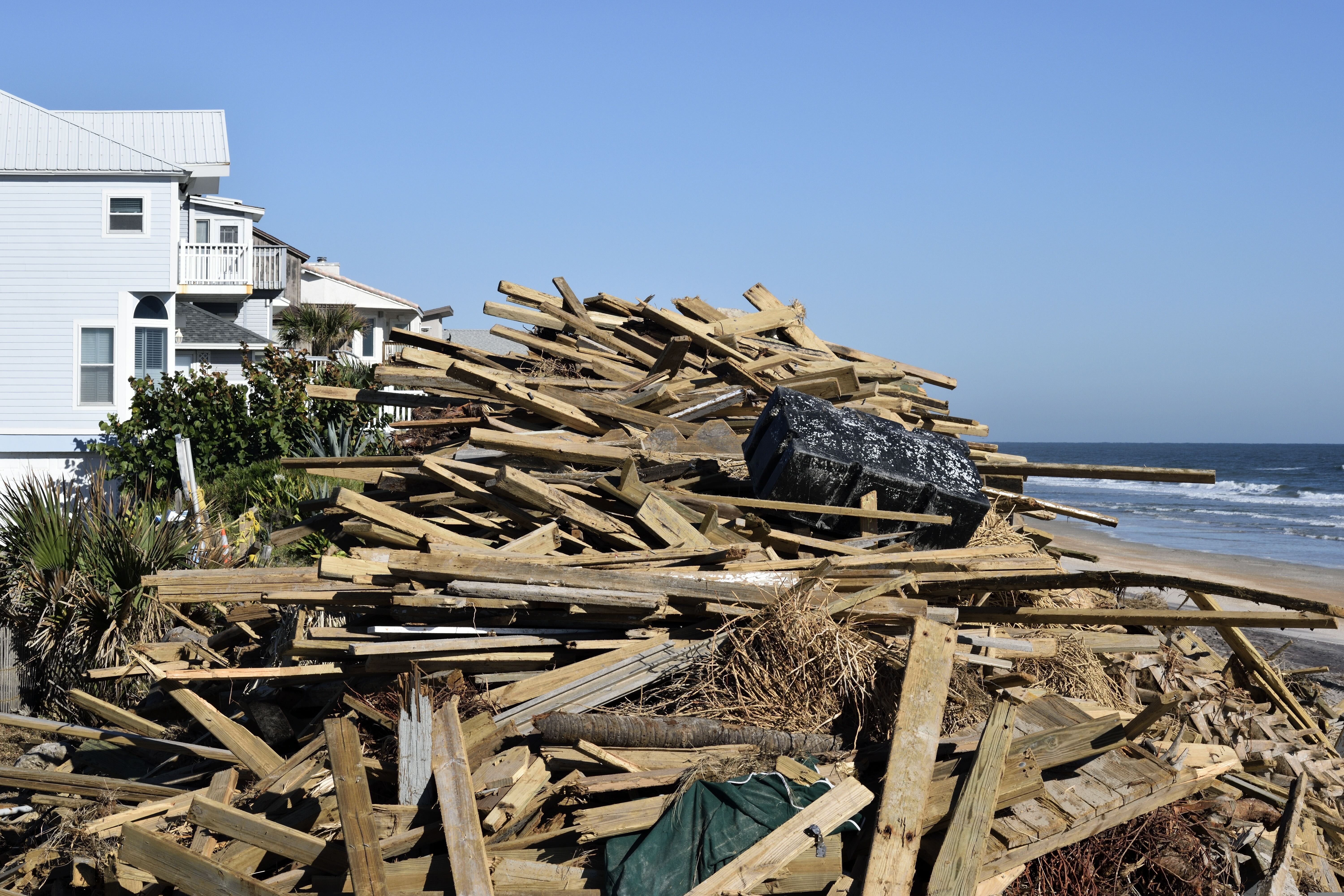
Does Builder’s Risk Insurance Cover Construction Delays?
Builder’s risk insurance may cover certain delays, but only under specific circumstances.
Standard policies typically do not automatically cover delays. However, many policies offer optional coverage for delay-related losses, often referred to as “soft costs” or delay-in-completion coverage.
This type of insurance coverage may include:
- Lost rental income
- Additional interest on construction loans
- Extended permit or inspection costs
- Additional architectural or engineering fees
To qualify, the delay must be caused by a covered insurance loss, such as fire, wind, or hail damage.
For example:
If a storm damages a project and pushes back completion, the policy may cover financial losses tied to that delay—depending on the terms of the insurance policies in place.
However, delays caused by:
- Poor planning
- Contractor issues
- Labor shortages
are typically not covered, which can create confusion during the claim process.
These types of disputes often lead to disagreements between policyholders and the insurance industry, especially when delays impact the overall recovery of the project.
If your claim involving a delay has been denied or underpaid, it may involve complex coverage issues that require legal review. Our law firm has handled these types of cases and helps clients navigate disputes involving builder’s risk claims and construction delays.
Texas Law Protects Property Owners
If your claim is delayed, underpaid, or denied, Texas law provides strong protections for policyholders.
Prompt Payment of Claims Act
Under the Texas Insurance Code, insurance companies must:
- Acknowledge your claim within 15 days
- Investigate promptly
- Approve or deny within required timelines
If they fail to do this, they may owe:
- 18% annual interest
- Attorney’s fees
Unfair Claim Practices Are Illegal
The Texas Insurance Code also prohibits unfair practices within the insurance industry, including:
- Misrepresenting insurance policies
- Delay your claim without reason
- Offer unfairly low settlements
What to Do If Your Builder’s Risk Claim Is Denied
If your claim is denied, don’t assume that’s the final answer.
Here’s what you should do:
1. Review Your Policy Carefully
Understand the reason for denial and identify potential coverage issues.
2. Gather Evidence
- Photos and videos
- Contractor estimates
- Weather reports
- Project records
Strong documentation is critical for building your case.
3. Request a Re-Inspection
Many claims can be reopened or supplemented.
4. File a Complaint (If Needed)
You can file a complaint with the Texas Department of Insurance.
5. Speak With an Attorney
If the claim involves a large loss or dispute, working with an experienced attorney can help protect your rights.
An experienced attorney can evaluate your situation, identify violations of the Texas Insurance Code, and pursue litigation if necessary.
Protecting Your Project from Day One
Builder’s risk insurance is not just a formality, it’s a critical financial protection.
To protect your project:
- Make sure your policy covers the full project value
- Add coverage for soft costs and delays
- Review exclusions carefully
- Understand who is responsible under your contract
Taking these steps can help prevent disputes and improve your chances of full recovery.
Don’t Face a Denied Claim Alone
Construction projects in Texas face real risks from severe weather to complex insurance disputes.
Builder’s risk insurance is designed to protect your investment, but when insurance companies delay or underpay claims, that protection can fall short.
If your project has suffered damage and your claim is being challenged, you don’t have to navigate it alone.

Need Help With a Builder’s Risk Insurance Claim in Texas?
Our law firm represents property owners, developers, and contractors in builder’s risk insurance disputes.
We handle a wide range of types of cases, including denied claims, underpayments, and complex property insurance disputes.
Our clients rely on our experience in navigating the claim process, resolving coverage issues, and pursuing litigation when necessary.
If your claim has been delayed, underpaid, or denied, our team can help you understand your options and fight for the insurance coverage you paid for.
Contact us today for a free consultation.