(And What You Can Do If Your Claim Is Denied)
Imagine this.
One week, a Colorado homeowner gets hit by a hailstorm. The roof looks fine from the street, but small cracks are everywhere. A month later, wildfire smoke fills the air and the home smells like a campfire. Then, a bear breaks into the garage looking for food and damages the door.
Now the homeowner files an insurance claim… and gets pushback.
Unfortunately, this story is becoming more common across Colorado. Insurance costs are going up fast, and many homeowners feel like coverage is getting worse instead of better.
Let’s break down why this is happening — and what you can do if your claim gets denied.

Why Colorado Insurance Costs Are So High Right Now
Colorado is dealing with three big risks at the same time: hail, wildfire, and wildlife damage.
1. Hail Is a Major Driver of Hail Damage Claims
Colorado sees frequent wind and hail events, and state officials say hail and wind are leading causes of property damage. That means insurance companies pay out large amounts for roof repairs and replacements, and those costs get passed down to homeowners through higher premiums.
Lawmakers have even discussed new programs to help stabilize the market because insurance costs in Colorado have become so high. In fact, reports showed premiums increasing sharply in recent years, with some homeowners seeing major jumps.
2. Wildfire risk changes everything
Wildfire danger is another big reason insurance is expensive. There are more than 1.2 million homes in the western U.S. at very high wildfire risk, and the cost to fight and recover from fires keeps growing.
When wildfires happen, insurance companies may lose huge amounts of money in a single event. That makes them more cautious about where and how they offer coverage.
Homeowners often feel this through:
- Higher deductibles
- Stricter inspections
- Policy non-renewals
- Reduced coverage options
3. Wildlife damage (yes, bears)
Colorado is bear country. In Summit County alone, there are thousands of reports of bear conflicts and property damage every year.
When a bear damages a garage, vehicle, or trash area, homeowners expect insurance to help. But insurers sometimes argue the damage could have been prevented, which can lead to denied or limited claims.

Understanding the Claims Process in Colorado
The claims process can feel confusing, especially when you are dealing with stress and damage at the same time.
Most claims follow these steps:
- Report the claim to your insurance company
- Meet with an adjuster
- Receive an inspection and estimate
- Get a payout or a denial
Problems often happen during inspections or when the insurance company questions the cause of damage.
Knowing how the process works helps you avoid common mistakes.
What Colorado Law Says About Insurance Claims
Under Colorado law, insurance companies must handle claims fairly and in good faith.
This means insurers should:
- Investigate claims properly
- Communicate clearly
- Avoid unnecessary delays
- Pay valid claims promptly
If an insurance company delays or unfairly denies your claim, you may have legal options. Many homeowners do not realize they have rights when dealing with insurance decisions.
What Is Usually Covered and Where Insurance Companies Push Back
Let’s talk about the three big types of damage Colorado homeowners deal with.
Roof and Hail Damage
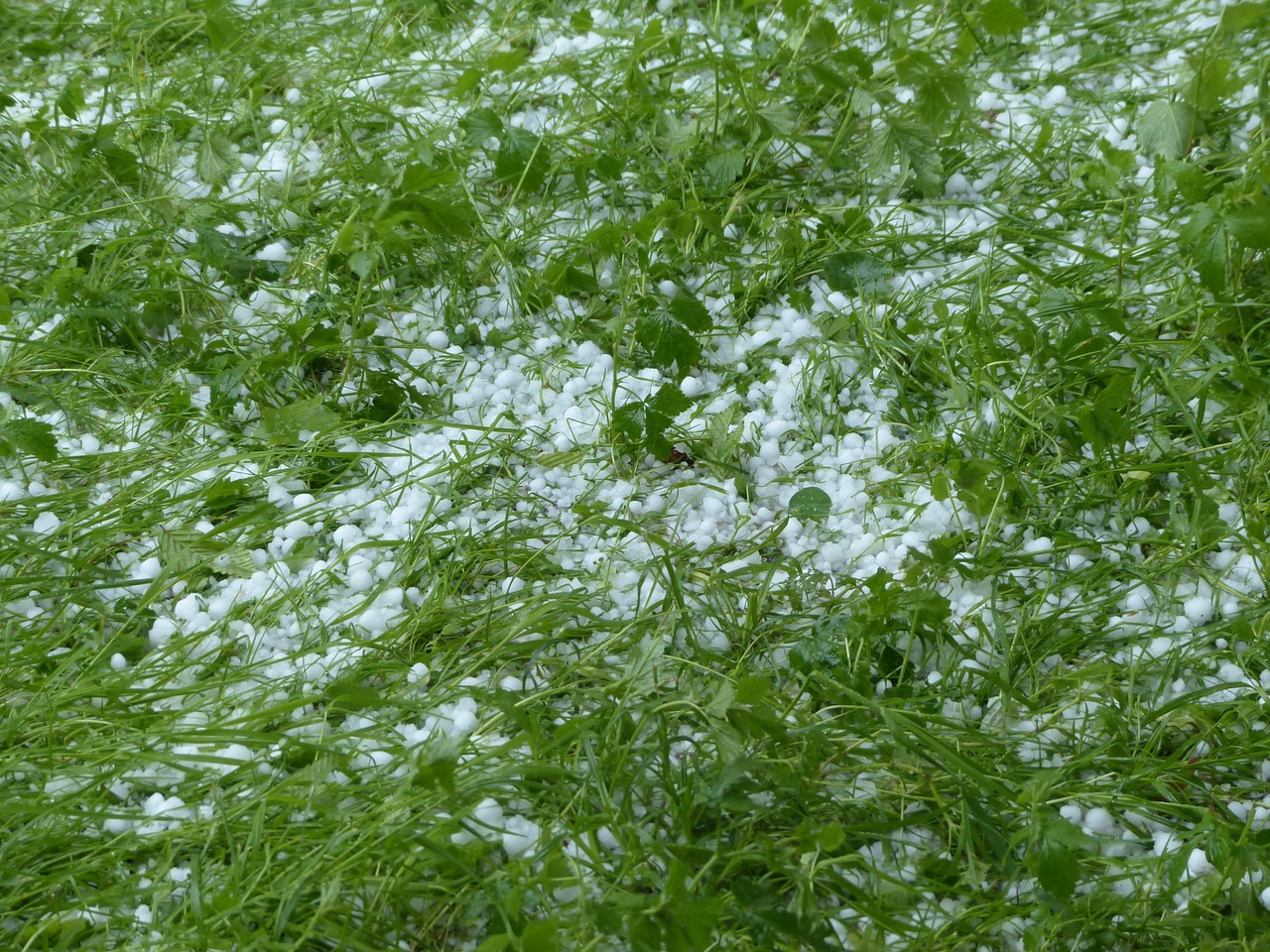
Most insurance policies do cover sudden hail damage.
But insurers often push back by saying:
- The damage is just “normal wear and tear”
- The roof is old or poorly maintained
- The damage happened before the storm
This is one of the biggest fights homeowners face. Hail damage may not be obvious until leaks start months later, and insurers sometimes use that delay as a reason to deny the claim.
Fire, Smoke, and Wildfire Damage
Fire and wildfire claims may include:
- Smoke damage
- Ash contamination
- Structural issues
Insurance companies may argue the damage is cosmetic or minor, which can lower payouts.
Another issue is underinsurance. If rebuilding costs rise faster than your coverage, you could be left paying the difference.
Wildlife Property Damage (Bears and More)
If a bear breaks into your car or home, coverage depends on your policy of language.
Insurers sometimes deny these claims by saying:
- Food or trash attracted the animal
- The homeowner was negligent
- The damage was preventable
This can leave homeowners confused because the risk feels random, but insurers may see it differently.
Common Excuses Insurance Companies Use to Underpay Claims
Homeowners tell us they keep hearing the same explanations when claims are denied or reduced:
- “This damage existed before the storm.”
- “Your roof is too old.”
- “You didn’t maintain your property properly.”
- “The damage doesn’t meet the deductible.”
- “This is normal aging, not storm damage.”
Sometimes these reasons are valid, but sometimes they are used to reduce payouts.
That’s why understanding the process is important.
Action Steps for Homeowners After Damage
If something happens to your home, stay calm and follow these steps.
1. Document everything
Take photos and videos immediately:
- Roof damage
- Broken windows or siding
- Smoke stains
- Animal damage
Keep receipts for repairs and temporary fixes.
2. Be careful what you say to the adjuster
Stick to facts.
Good example:
✔ “The damage happened after the hailstorm on this date.”
Avoid guessing:
✘ “I’m not sure how old the roof damage is.”
Short, clear answers protect you.
3. Get a second opinion
Roofers, contractors, or public adjusters may find damage the insurance company missed.
4. Read your policy
Many homeowners don’t realize:
- Coverage limits
- Exclusions
- Deductibles
Until it’s too late.
5. Know when to call a property-damage attorney
Consider legal help if:
- Your claim is denied
- The payout feels too low
- The insurer delays communication
- You feel pressured to accept less than you need
Insurance companies have teams of experts protecting their interests. You deserve someone protecting yours.
When Litigation May Become Necessary
Most insurance claims settle without going to court. But in some situations, litigation may be needed if the insurance company refuses to act fairly.
Litigation does not always mean a long court battle. Often, once legal pressure is added, insurers take claims more seriously and reconsider their decisions.
Why Denver and Colorado Homeowners Are Feeling the Pressure
From Denver neighborhoods to mountain towns, homeowners across the state are experiencing:
- More severe weather
- Increasing fire risk
- Rising repair costs
- Higher insurance premiums
This combination makes insurance disputes more common than ever.

Need Help With a Property Damage Claim?
You don’t have to figure it out alone.
Get a free consultation at vargasgonzalez.com
Our team helps homeowners understand their rights and fight for the coverage they paid for.