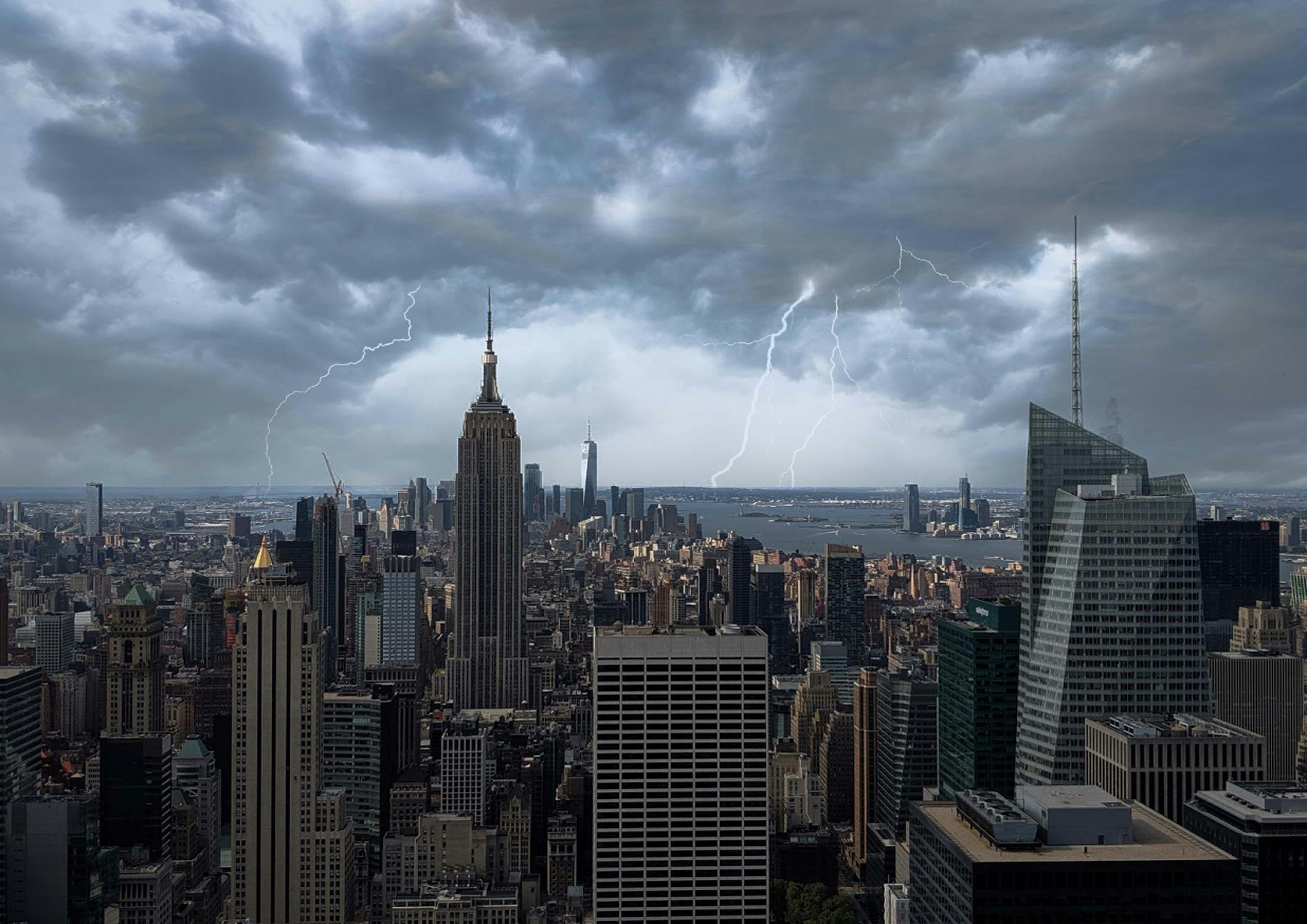
When lightning strikes or a fire happens at your home or business in New York, it can be very scary. You might feel worried about damage to the building, the roof, or the things inside. This guide explains, in simple terms, what you need to know about lightning and fire damage, and how insurance claims work.
1. Lightning Damage Can Cause Big Problems
Lightning damage can be devastating and unexpected. A single strike can hit your building or nearby electrical lines and cause:
- A fire inside or on your roof
- Structural damage to walls or windows
- Electrical surges that ruin electronics like computers or TVs
Most home and business insurance policies in New York include coverage for lightning, meaning the insurance company should pay for repairs or replacement, provided the damage isn’t caused by wear and tear or policy exclusions.
2. How Common Are Lightning Claims in New York Property Cases?
Lightning damage is one of the costliest types of property damage in the U.S. Across the nation, insurers paid $1.04 billion for lightning‐related homeowners claims in 2024, down from $1.24 billion in 2023. The total number of claims also dropped to about 55,500 in 2024, the lowest in several years.
In New York state, there were about 1,937 lightning claims in 2024, with insured losses totaling around $34 million. New York ranked eighth among all states for the number of lightning claims, showing how common New York property damage from storms and electrical strikes can be.
3. Why Timeliness Claims Matter
Most policies treat lightning as a “sudden and accidental” event. That means it’s covered from the moment a storm starts until it ends—not as normal wear and tear. However, timeliness claims are crucial; if you wait too long to report or document the damage, insurers might delay or reduce payment.
Insurance should pay for:
- Repairs to the building
- Replacing damaged electronics or appliances
- Fire damage caused by lightning
But insurers may not pay the full amount if they think:
- The damage was due to old, broken wiring or poor maintenance
- The cost is more than your policy limits
- You failed to take protective measures (like surge protectors)
4. Steps to Take After Lightning or Fire Damage
To make a strong insurance claim, follow these steps:
- Stay safe first. Make sure everyone is doing well. Don’t go inside if there’s fire or dangerous electrical damage.
- Call emergency services or the fire department.
- Take photos and videos. Document every sign of structural damage, roof issues, and ruined electronics.
- Keep records. Make notes about storm time and any power surges.
- Get repair estimates. Hire qualified electricians or builders to assess damage.
- Report the claim right away. Timely filing helps avoid disputes.
- Keep all receipts. Save bills for repairs or hotel stays if you must leave.
- Call a lawyer if needed. If your insurer delays, underpays, or denies your claim, a property damage attorney can help fight for fair pay.
5. Commercial Property Damage and Business Owners
Commercial property damage from lightning and fire can lead to costly downtime and business interruption. Our law firm assists New York property owners and businesses by:
- Reviewing policy terms and denied claims
- Hiring expert fire investigators or electrical engineers
- Challenging low settlement offers
- Negotiating or pursuing legal action when necessary
6. Why Lightning, Fire, Wind Damage, and Water Damage Are Expensive
Fire and lightning claims are among the costliest. From 2018 to 2022, fire and lightning made up more than 21% of all property damage claims, but those claims averaged about $83,991, much higher than other types of wind or water damage.
Even for just lightning alone, the average cost per claim in 2024 was about $18,600 across the U.S. That shows that even a single strike can cause damage worth tens of thousands of dollars.
7. How New York Property Owners Can Reduce Risk
You can take simple steps now to help avoid damage and make any future claim easier:
- Install surge protectors or a home lightning protection system. Some insurers offer discounts if you do.
- Keep electronics plugged into surge-protected outlets.
- Trim trees that overhang near power lines or your roof.
- Make sure your electrical and fire detection systems work well.
8. What About Hurricane Damage and Coverage?
While this guide focuses on lightning damage, many New York property owners also face risks from hurricane damage. If a lightning strike or fire occurs during a hurricane, your insurer may handle claims differently depending on policy terms. Some policies require separate hurricane deductibles or have limitations on wind damage and water damage caused by flooding.
Our attorneys can review your policy to ensure you understand all coverage details - including coverage for lightning and hurricane-related losses.
Dealing with Roof and Flood Damage After Lightning Strikes
When roof damage or flood damage happens alongside a lightning strike or fire, dealing with your insurance carrier can be overwhelming. Filing a strong lightning insurance claim often requires gathering extensive proof of damage and knowing your policy’s exclusions. Our legal team at Vargas Gonzalez Delombard, LLP helps New York property owners by handling disputes with insurance carriers, reviewing claims, and ensuring you get the compensation you deserve for roof, fire, or flood-related losses.
Contact Us Today for a Free Consultation our law firm
Lightning and fire damage can be overwhelming, but you don’t have to face it alone. Our team at Vargas Gonzalez Delombard, LLP fights for New York homeowners and business owners to ensure they get the compensation they deserve.
Call us today or visit vargasgonzalez.com to schedule your free consultation.