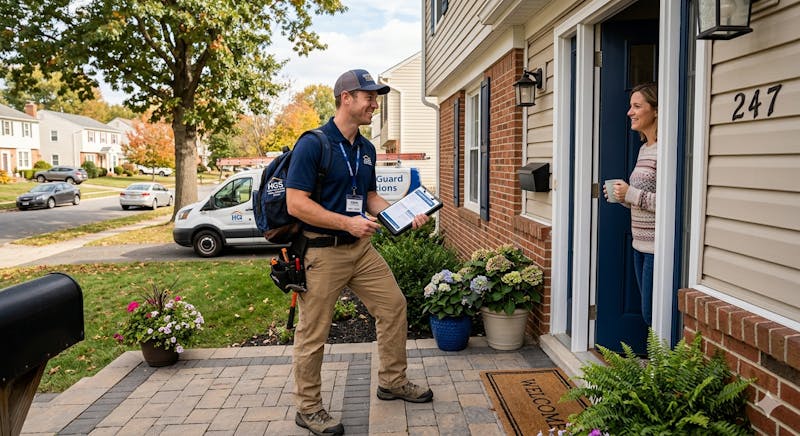
Fixing your home can feel exciting. Maybe you need a new roof, a new AC system, or better windows. These upgrades can make your home safer and more comfortable.
But home projects can cost a lot of money.
That’s why many contractors offer financing. They may say things like:
-
“No interest!”
-
“Same as cash!”
-
“Low monthly payments!”
It sounds like a great deal.
But for many homeowners, it turns into a stressful and expensive problem.
Let’s break down common home improvement financing problems, and how you can protect yourself.
1. The Loan Terms Can Be Confusing
Today, many contractors use tablets or apps to sign you up for financing in minutes.
It may feel quick and easy.
But here’s the problem; you may not see the full loan details.
Some homeowners later realize:
-
They didn’t know the interest rate
-
They didn’t understand how long the loan was
-
They were signed up for more than one loan
Sometimes, scammers and salespeople move fast and use confusing words.
They may say:
“Don’t worry, it’s standard.”
But these loans are not always simple.
If you don’t fully understand the loan, do not sign it.
2. “No Interest” Can Be Misleading
One of the biggest contractor financing scams involves something called deferred interest home improvement loans.
It is often advertised as:
“No interest”
“Same as cash”
But here’s what really happens:
-
You don’t pay interest at first
-
BUT if you don’t pay off the full amount in time…
-
You get charged ALL the interest from the beginning
That can add thousands of dollars to your loan.
Even worse, the monthly payments are often too low to pay off the balance in time.
So people think they are doing fine, until it’s too late.

3. Inflated Pricing & Hidden Costs in Repairs
Here’s something most homeowners don’t know.
When contractors offer financing, they often pay a fee to the lender.
This fee can be around 7% or more.
Instead of paying it themselves, some contractors:
-
Add that cost to your project price
So your repairs may cost more just because you used financing.
That “0% interest” deal may already include hidden costs.
4. Loans Funded Before Work Is Done (A Common Scam Risk)
In some cases, the loan money is sent to the contractor before the job is finished.
This creates a big risk.
If the contractor:
-
Does shoddy work
-
Leaves the job unfinished
-
Or disappears
You still have to pay the loan.
Even if your home is not fixed.
Some scammers take advantage of this process.
5. Insurance Claims & Contractor Disputes
What happens if something goes wrong?
Let’s say:
-
The work is not done right
-
The project is delayed
You may think:
“I’ll just stop paying.”
But the lender still wants their money.
Now you’re stuck in the middle:
-
The contractor says the job is complete
-
The lender says you owe the full amount
-
You’re left dealing with both
This is where insurance claims and legal issues can become complicated.
6. Pressure Sales Tactics at Your Door
Many home improvement scams start with pressure sales tactics.
If someone comes to your door and says:
-
“You must sign today”
-
“This deal won’t last”
That’s a red flag.
A trustworthy contractor will:
-
Give you time
-
Provide clear warranty information
-
Answer your questions
You should never feel rushed.
7. How to Protect Yourself Before You Sign
The good news is -- you can protect yourself.
Here are simple steps to follow:
Compare Financing Options
Do not rely only on the contractor’s offer.
Look at:
-
Your bank
-
Credit unions
-
Personal loans
You may find better terms with fewer risks.
Ask for the Cash Price
Always ask:
-
“What is the price without financing?”
This helps you see if the price is higher because of loan fees.
Read the Full Contract
Never sign without reading everything.
Ask for:
-
A full copy of the loan
-
Time to review it
Look for:
-
Interest rate
-
Loan length
-
Fees
-
Deferred interest terms
Avoid Pressure
If someone says:
-
“You have to sign today”
That’s a warning sign. Take your time.
A good contractor will not rush you.
Make Sure Work Matches Payments
Try to:
-
Pay in stages
-
Link payments to completed work
Avoid paying everything upfront.
Keep All Documents
Save:
-
Contracts
-
Emails
-
Receipts
These can help if there is a dispute later.
8. Frequently Asked Questions
What is deferred interest?
It means you don’t pay interest at first. But if you don’t pay off the loan in time, all the interest is added back.
Can I cancel a home improvement loan?
Sometimes, but it depends on the contract. You should act quickly and speak with a professional.
What if the contractor didn’t finish the job?
You may still owe the loan, but you could have legal options depending on your situation.
Is contractor financing safe?
It can be, but only if you fully understand the terms and trust the contractor.
Avoid Costly Home Improvement Financing Mistakes and Scams
Home improvement financing can seem like a helpful solution.
But it can also lead to:
-
Higher costs
-
Hidden fees
-
Surprise interest charges
-
Stressful disputes
The biggest mistake homeowners make is signing too quickly.
If someone shows up at your door offering fast repairs, take a step back.
Not every offer is a scam, but many scammers rely on urgency and confusion.
Take your time. Ask questions. Read everything.
Your home and your money are worth protecting.

Need Help? Contact Vargas Gonzalez Delombard, LLP
If you are dealing with a home improvement financing problem, you don’t have to go through it alone.
At Vargas Gonzalez Delombard, LLP, we help homeowners who are stuck in difficult situations involving contractors, lenders, and property damage.
If:
-
Your contractor didn’t finish the work
-
You were misled about financing terms
-
Your loan was funded before the job was done
-
You’re being asked to pay for poor or incomplete work
We are here to guide you, protect you, and fight for the outcome you deserve. We offer a free consultation to review your situation and help you understand your options.