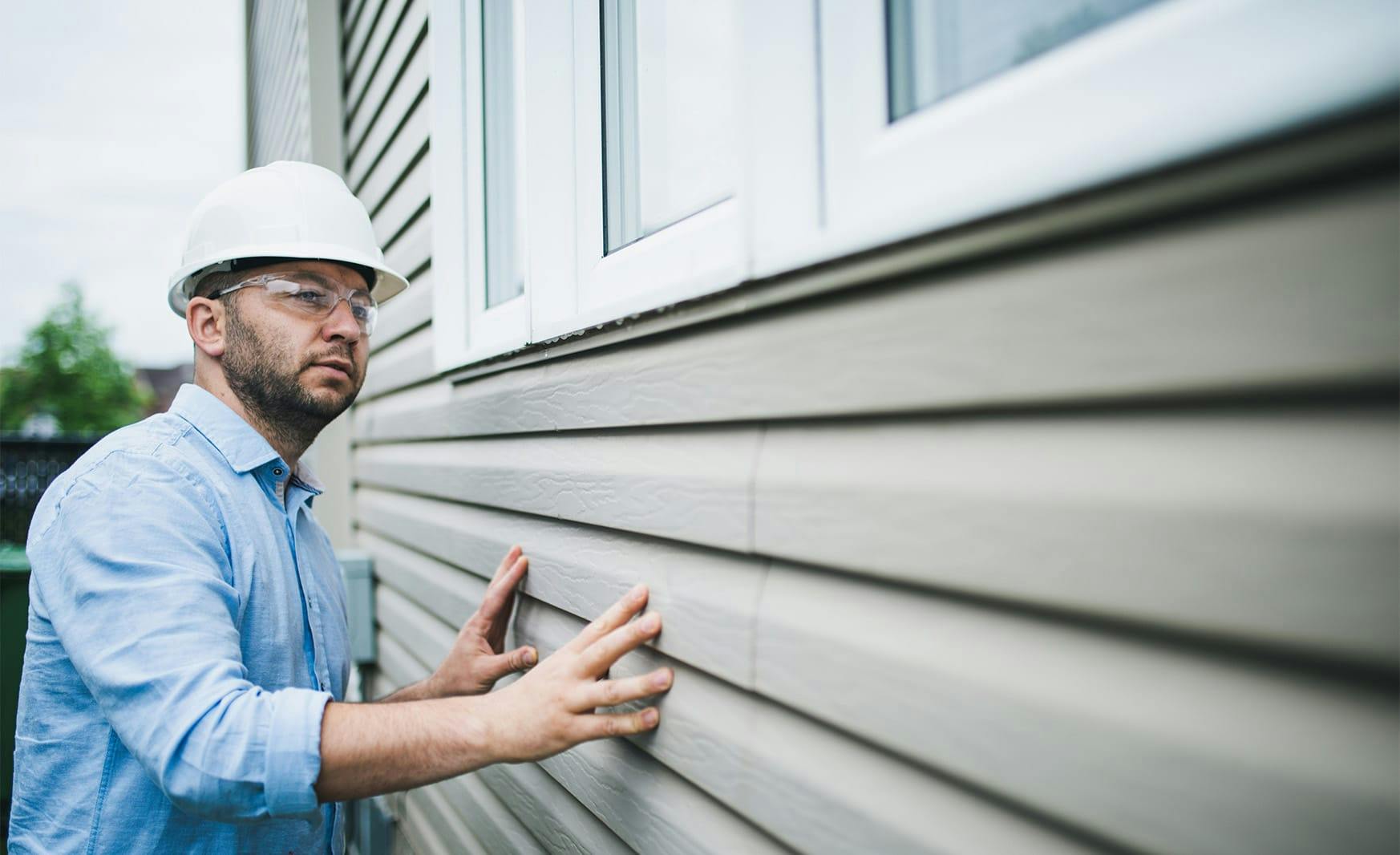
VGD: Protecting Your Construction Investment Across Florida

Vargas Gonzalez Delombard, LLP, utilizes our in-depth knowledge of construction and insurance law to advocate for Florida property owners, contractors, and developers facing unjust claim decisions. Our proven track record of substantial recoveries demonstrates our commitment to holding insurers accountable and pursuing the full compensation our clients deserve. If an insurance dispute is jeopardizing your project, contact us today for a consultation, and let us help protect your construction investment.

Legal Considerations & Your Rights in Florida

Builder’s risk insurance is essential for protecting construction projects from financial losses caused by damage or destruction during active construction.

In Florida, these policies are commonly used by parties with a financial stake in a project, including:

  • Property owners seeking to protect high-value investments
  • Contractors responsible for project completion and timelines
  • Subcontractors with materials, labor, or equipment at risk

Builder’s risk coverage is typically intended to guard against losses arising from:

  • Fire and smoke damage
  • Theft or vandalism of materials and equipment
  • Severe weather events common in Florida, including wind and storms

Because construction projects often involve investments worth millions—or more—adequate insurance coverage is critical. However, resolving builder’s risk claims is not always straightforward. Insurers may attempt to:

  • Undervalue the scope of damage
  • Delay the claims process
  • Deny valid claims based on narrow policy interpretations

These tactics can place an overwhelming financial burden on policyholders. In MKB Constructors v. American Zurich Insurance Company, for example, a contractor faced significant financial strain after a builder’s risk claim was denied, ultimately leading to prolonged litigation. This case highlights why understanding your rights under Florida law is essential when challenging an insurer’s attempt to avoid paying what is owed.

Banner media

Understanding Florida Builder’s Risk Insurance

Builder’s risk insurance offers temporary coverage for construction projects while work is in progress. While this type of policy exists nationwide, Florida’s unique climate and regulatory environment make it especially important to carefully review coverage—particularly to ensure adequate protection against hurricanes, wind, and other severe weather risks.

The cost of a builder’s risk insurance policy in Florida can vary based on several key factors, including:

  • Type of project: New construction and renovation projects are rated differently and can affect premium pricing.
  • Project location: Properties located in hurricane-prone or flood-exposed areas often carry higher insurance costs.
  • Construction materials and methods: The use of high-value or specialty materials may increase premiums.
  • Length of construction: Extended project timelines can result in higher overall insurance expenses.
  • Coverage limits: Higher policy limits typically lead to increased premiums.
  • Contractor experience and claims history: Contractors with proven experience and strong safety records may qualify for more favorable rates.
  • Deductible selection: Choosing a higher deductible can reduce premiums but may increase out-of-pocket costs if a claim arises.

A properly structured builder’s risk policy should account for foreseeable risks throughout the construction process. However, insurers frequently include exclusions, limitations, or restrictive language that can significantly reduce coverage when a loss occurs. Speaking with a legal professional before purchasing a policy can help identify potential gaps and avoid costly surprises down the line.

Coverage Provided by Builder’s Risk Insurance

Builder’s risk insurance policies can vary based on the insurer and the project, but most are designed to cover losses caused by unexpected damage during construction. In Florida, coverage commonly includes losses resulting from:

  • Fire
  • Hail and wind-related storms
  • Lightning strikes
  • Hurricanes and severe weather events
  • Explosions
  • Theft and vandalism
  • Design-related defects
  • Inferior or faulty materials
  • Poor workmanship
  • Labor and repair costs associated with covered damage

That said, builder’s risk insurance does not automatically cover every type of loss. Certain risks are often excluded unless additional endorsements or separate policies are obtained. Flood-related damage, for example, is commonly excluded from standard builder’s risk coverage.

Other exclusions may include:

  • Earthquake damage
  • Theft committed by employees
  • Damage caused by prolonged exposure to the elements on open or unfinished sites
Banner media

Common Disputes in Builder’s Risk Insurance Claims in Florida

Disputes over builder’s risk insurance claims frequently stem from how insurance companies calculate and justify their payouts. Insurers often rely on the lowest-cost option available—whether that involves repairing, rebuilding, or replacing damaged property—which can significantly undervalue the true scope of a loss.

These determinations are often contested due to differences in:

  • Valuation methods used by the insurer versus independent experts
  • Rising material and labor costs
  • Inaccurate comparisons to dissimilar construction projects or sites
  • Successfully challenging these decisions requires a detailed understanding of the policy language, current construction costs, and applicable Florida law.

Other common grounds insurers use to deny or reduce builder’s risk claims include:

  • Damage allegedly occurring after substantial or final completion of the project
  • Coverage limits that are insufficient to address the full extent of the loss
  • Claims that damage existed before the start of construction
  • Exclusions, limitations, or ambiguities within the policy used to restrict coverage

In addition to claim valuation disputes, timing is critical. Under Florida law:

  • The statute of limitations for a breach of a property insurance contract is five years
  • The deadline typically begins on the date of the loss, not the date of denial
  • This timeframe is governed by Section 95.11(2)(e) of the Florida Statutes

Because delays can weaken your legal position and reduce recovery options, taking prompt action is essential to preserving your rights and pursuing the full benefits owed under your builder’s risk policy.

What to Do If Your Builder’s Risk Insurance Claim Is Denied

Carefully Review Your Policy

Examine the full policy, including coverage provisions, exclusions, endorsements, and limits. Insurers may incorrectly rely on exclusions or apply policy language more narrowly than Florida law allows.

Request a Written Explanation for the Denial

Ask the insurer to provide a formal denial letter outlining the specific reasons for the decision. This written explanation is an essential foundation for any appeal or legal challenge.

Collect and Organize Supporting Evidence

Gather all relevant materials, including:

  • Photographs or videos of the damage
  • Repair or reconstruction estimates
  • Construction schedules and project records
  • Correspondence with the insurance company

Thorough documentation can strengthen your position and expose weaknesses in the insurer’s rationale.

Pursue the Internal Appeals Process

Many insurance carriers offer an internal review or appeals procedure.

Submitting additional evidence and a well-supported response may lead to a reconsideration of the claim.

Consult with Vargas Gonzalez Delombard, LLP

If an appeal is unsuccessful—or if you suspect the insurer is acting in bad faith—legal guidance can be critical. The attorneys at Vargas Gonzalez Delombard, LLP represent Florida policyholders in builder’s risk disputes, challenging improper denials and pursuing legal action when necessary to recover the benefits owed under the policy.

Background media

Why Choose Vargas Gonzalez Delombard, LLP?

Construction projects require significant financial investment, and insurance carriers are expected to stand by the coverage they sell. Too often, however, insurers rely on delay tactics, technical defenses, or vague policy language to minimize payouts or deny valid builder’s risk claims—leaving Florida policyholders to absorb the financial fallout.

Vargas Gonzalez Delombard, LLP, attorneys have successfully represented Florida property owners, contractors, and developers in recovering millions from improperly denied or underpaid insurance claims. We remain focused on results, transparency, and a client-first philosophy.

Our firm offers:

  • Extensive experience in construction-related insurance disputes
  • A proven record of meaningful settlements and verdicts against insurers
  • Customized legal strategies tailored to the facts of each case
  • Contingency-based representation, so you pay nothing unless we recover for you
  • Relentless advocacy against unfair insurance practices

If your builder’s risk insurance claim has been delayed, denied, or undervalued, you do not have to face the process alone. Contact Vargas Gonzalez Delombard, LLP today to schedule a consultation and protect your construction investment in Florida.

Builder’s Risk Insurance FAQs

Does Builder’s Risk Insurance Cover Liability?

Can I Extend Builder’s Risk Insurance if My Project Is Delayed?

What Happens to Builder’s Risk Insurance When Construction Is Completed?

Does Builder’s Risk Insurance Cover Damage Caused by Subcontractors?

Are Soft Costs Covered Under a Builder’s Risk Policy?

Can I Purchase Builder’s Risk Insurance After Construction Has Started?

What If My Construction Project Exceeds the Policy Term?

Does Builder’s Risk Insurance Cover Equipment and Tools?

How Can I Lower the Cost of Builder’s Risk Insurance?

Does Builder’s Risk Insurance Cover Liability?

No. Builder’s risk insurance is intended to cover physical damage to the construction project itself, not liability claims. Injuries to workers or third parties, or damage to surrounding property, typically require a separate general liability policy. If you are uncertain whether your Florida construction project is fully protected, reviewing your coverage before work begins is strongly advised.

Can I Extend Builder’s Risk Insurance if My Project Is Delayed?

Yes, many builder’s risk policies can be extended if construction takes longer than expected. Extensions must usually be requested before the policy expires. Additional premiums often apply, so it’s important to communicate with your insurer early to avoid coverage gaps.

What Happens to Builder’s Risk Insurance When Construction Is Completed?

Builder’s risk coverage ends once construction is finished or the project is occupied, depending on policy terms. At that point, transitioning to a permanent property insurance policy—such as commercial or residential property coverage—is essential to protect the completed structure against future risks.

Does Builder’s Risk Insurance Cover Damage Caused by Subcontractors?

In many cases, damage caused by subcontractors is covered under a builder’s risk policy. However, coverage depends on the specific policy language. Carefully reviewing the policy is critical, and requiring subcontractors to carry their own liability insurance can provide additional protection.

Are Soft Costs Covered Under a Builder’s Risk Policy?

Soft costs—such as financing expenses, additional interest payments, architectural fees, or legal costs resulting from delays—are not automatically covered. These expenses are typically only included if a specific endorsement is added to the policy. Including soft cost coverage can help offset losses tied to unexpected setbacks.

Can I Purchase Builder’s Risk Insurance After Construction Has Started?

Yes, it is sometimes possible to obtain builder’s risk insurance after construction has begun, but coverage options may be limited, and premiums may be higher. Securing a policy before construction starts is generally the most effective way to ensure complete protection and avoid complications.

What If My Construction Project Exceeds the Policy Term?

If a project extends beyond the policy’s expiration date, you may request an extension. Extensions are not guaranteed and often involve additional costs. If an extension is denied, obtaining a new policy before the current one expires is necessary to maintain continuous coverage.

Does Builder’s Risk Insurance Cover Equipment and Tools?

Most builder’s risk policies focus on the structure and construction materials. Tools, machinery, and equipment are usually excluded unless specifically added. Contractors in Florida often rely on inland marine or equipment insurance policies to cover these items.

How Can I Lower the Cost of Builder’s Risk Insurance?

Premiums may be reduced by taking proactive steps, including:

  • Enhancing site security measures
  • Hiring experienced contractors with strong safety records
  • Selecting higher deductibles
  • Using durable, well-documented construction materials
  • Bundling builder’s risk coverage with other insurance policies

Working closely with your insurer to assess risk-reduction strategies can help you secure appropriate coverage at a more manageable cost. If you have questions about builder’s risk insurance or are facing a coverage dispute in Florida, seeking legal guidance can help protect your project and your financial investment.

This field is required.
Subscribe

Free Claims Consultation Tell Us About Your Case

Get a Free Case Evaluation
Contact us media
Accessibility: If you are vision-impaired or have some other impairment covered by the Americans with Disabilities Act or a similar law, and you wish to discuss potential accommodations related to using this website, please contact our Accessibility Manager at (407) 794-3056.
Contact Us