Vargas Gonzalez Delombard, LLP, Is Ready to Help

Insurance companies don’t always act in policyholders' best interests. Denials are often based on technical policy language or questionable interpretations that limit payouts. This is where experienced legal guidance can make a significant difference. At Vargas Gonzalez Delombard, LLP, our attorneys understand how insurers operate and how to effectively challenge their decisions. We thoroughly analyze your policy, document the damage, and develop a strategic case to dispute improper denials and demand accountability. If your Florida property was vandalized and your claim was denied, our team is ready to fight for the coverage you deserve. Contact us today to discuss your options.

What Is Vandalism?

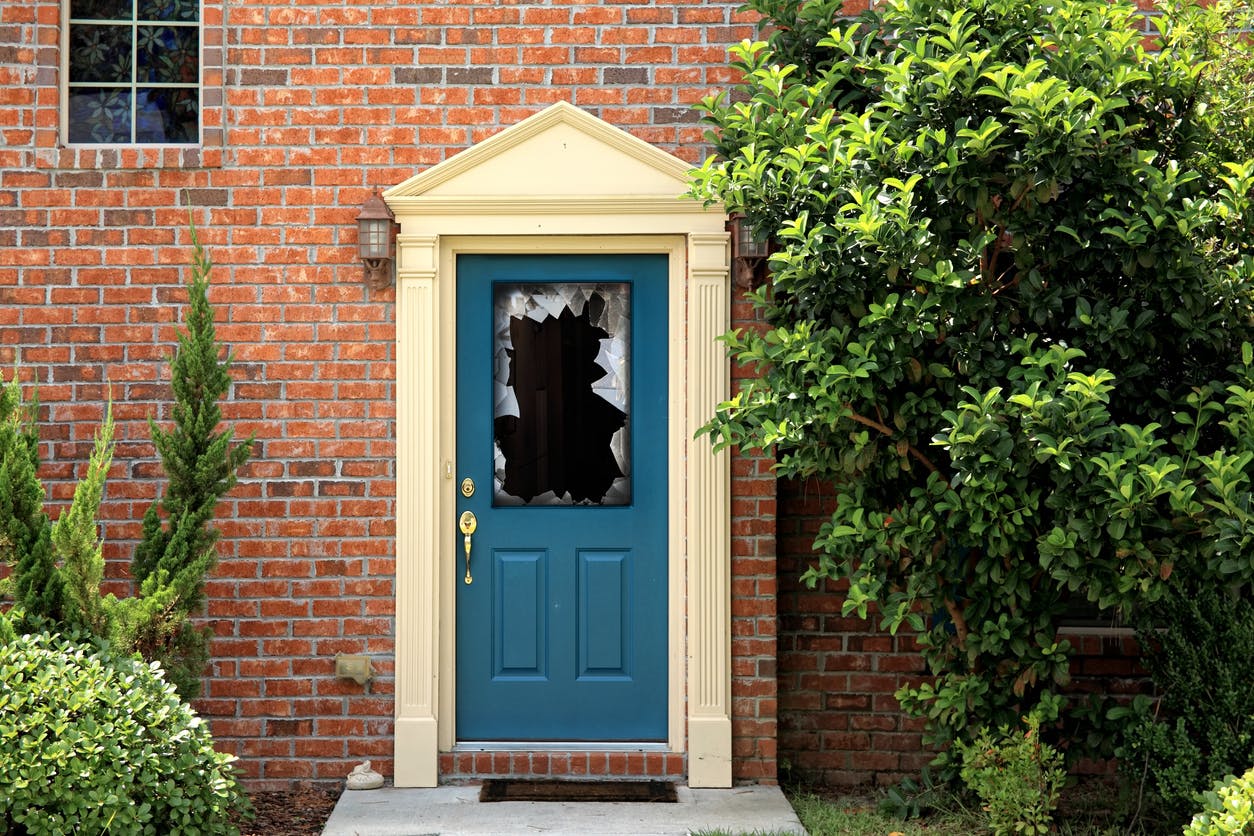
Under Florida law, vandalism generally refers to the intentional and malicious destruction, damage, or defacement of someone else’s property.

While the precise legal standards can vary depending on the circumstances, vandalism claims typically involve these core elements:

  • Deliberate Conduct: The damage must be purposeful. Unintentional or accidental harm does not qualify as vandalism.
  • Property Damage: The act must result in harm to, destruction of, or defacement of property, whether residential, commercial, or public.
  • No Owner Permission: The damage must occur without the property owner's consent or authorization.

Banner media

How Insurance Claims for Vandalism Work

Most Florida homeowners’ insurance policies provide coverage for vandalism, theft, and certain unexpected losses. Knowing how your policy works can help you protect your rights when damage occurs.

Common coverage provisions include:

  • Dwelling Coverage: Pays for repairs to the physical structure of your home.
  • Personal Property Coverage: Covers damage to or loss of belongings inside the home.
  • Liability Coverage: May apply if someone is injured on your property.
  • Additional Living Expenses: Some policies help cover temporary housing costs if your home is unlivable, though losses from floods or earthquakes usually require separate coverage.

Despite having coverage, insurers may still deny or limit claims for a variety of reasons, including:

  • Delays in reporting the damage
  • Incomplete or insufficient documentation
  • Damage that existed before the reported incident
  • Alleged lack of proper property maintenance
  • Policy exclusions such as normal wear and tear or gradual deterioration
  • Errors or omissions in the insurance application
  • Claims that exceed policy limits or fail to meet deductible requirements

Florida homeowners are protected by state insurance laws and are not required to accept unfair denials or unreasonable delays. If your vandalism or property damage claim is mishandled, you have the right to challenge the insurer’s decision and pursue the benefits owed under your policy.

Policyholder Rights Under Florida Law

Florida law provides important protections for policyholders when filing property damage claims. Insurance companies are required to acknowledge a reported claim within a set timeframe and must investigate and resolve claims promptly. If a claim is denied, the insurer must clearly explain the reasons in writing. When coverage is approved, payment of undisputed amounts must be made without unnecessary delay. If you disagree with how your claim is handled, Florida offers alternatives to litigation. Policyholders may request mediation through the Florida Department of Financial Services, a process designed to resolve disputes efficiently and cost-effectively.

Bad Faith Insurance Practices

Insurance companies operating in Florida are legally obligated to handle claims fairly and honestly. Bad faith conduct may include:

  • Denying claims without a valid basis
  • Failing to conduct a thorough investigation
  • Misstating or misapplying policy language
  • Delaying payment without reasonable justification

When an insurer violates its duty of good faith, policyholders may have grounds to pursue legal action. In some instances, recovery may extend beyond policy limits and include attorney’s fees and other damages permitted under Florida law.

Vandalism by Tenants or Former Occupants

Property damage caused by current or former tenants can present complex insurance challenges for Florida property owners. Common issues include:

  • Intentional Property Damage: Graffiti, broken windows, damaged flooring, appliances, or cabinetry.
  • Severe Neglect: Failure to maintain the property, leading to extensive deterioration that may resemble vandalism.
  • Unauthorized Changes: Removal or alteration of fixtures or structural components resulting in costly repairs.

Determining whether this type of damage is covered often depends on policy language and the specific facts involved.

Vandalism Connected to a Burglary

Vandalism frequently occurs during or after a burglary, compounding the financial impact on property owners. Many Florida insurance policies provide coverage for damage caused by burglary, including vandalism related to the incident.

However, coverage may be limited by exclusions, conditions, or disputes over how the damage occurred. If an insurer denies a burglary-related vandalism claim, reviewing the policy terms and the stated reasons for denial is critical to determining next steps toward recovery.

Background media

The Claims Process

Taking prompt action after discovering vandalism can significantly influence the success of your insurance claim. Document the damage, report it quickly, and communicate clearly with your insurer to protect your rights and minimize delays or denials.

The process generally involves the following steps:

  • Report the vandalism to your insurance company as soon as possible
  • Photograph and video all damage before cleaning or making repairs
  • Create an inventory of damaged or stolen items with estimated values
  • Provide the police report number to support your claim
  • Meet with the insurance adjuster for an in-person inspection
  • Save receipts for temporary repairs or security expenses
  • Review your policy for coverage limits, exclusions, and deductibles
  • Request a detailed explanation before accepting any settlement offer
  • Keep written records of all communications with your insurer

If your claim is delayed, underpaid, or denied, you can appeal or file a complaint with the state insurance regulator. If negotiations fail, legal action may be necessary. An attorney can gather evidence, handle bad faith conduct, and advocate for you in mediation, arbitration, or litigation. Settlement discussions can occur at any stage until the matter is resolved.

Andrew Vargas posing outside

Why Choose Vargas Gonzalez Delombard, LLP as Your Florida Vandalism Lawyer?

Vargas Gonzalez Delombard, LLP has extensive experience representing Florida property owners in insurance disputes arising from vandalism. Our attorneys understand how insurers evaluate—and often deny—these claims, and we know how to challenge those decisions using Florida insurance law. When carriers refuse to act fairly, we are fully prepared to escalate the matter through litigation to pursue the coverage you are owed.

What sets our firm apart is our hands-on, client-focused approach. We carefully analyze your policy, document the damage, and develop a tailored strategy to support your claim. You can move forward with confidence knowing your case is backed by a firm with the resources and legal insight to handle complex vandalism losses. With no upfront costs and fees only if we recover compensation, there is no financial risk to getting help. Schedule a consultation with Vargas Gonzalez Delombard, LLP today and let us protect your rights.

This field is required.
Subscribe

Free Claims Consultation Tell Us About Your Case

Get a Free Case Evaluation
Contact us media
Accessibility: If you are vision-impaired or have some other impairment covered by the Americans with Disabilities Act or a similar law, and you wish to discuss potential accommodations related to using this website, please contact our Accessibility Manager at (407) 794-3056.
Contact Us