Get the Mold Damage Coverage You're Entitled To
Please note: We handle mold insurance claim denials for property owners only. We do not handle tenant-related mold cases.
Get the Mold Damage Coverage You're Entitled To
Please note: We handle mold insurance claim denials for property owners only. We do not handle tenant-related mold cases.
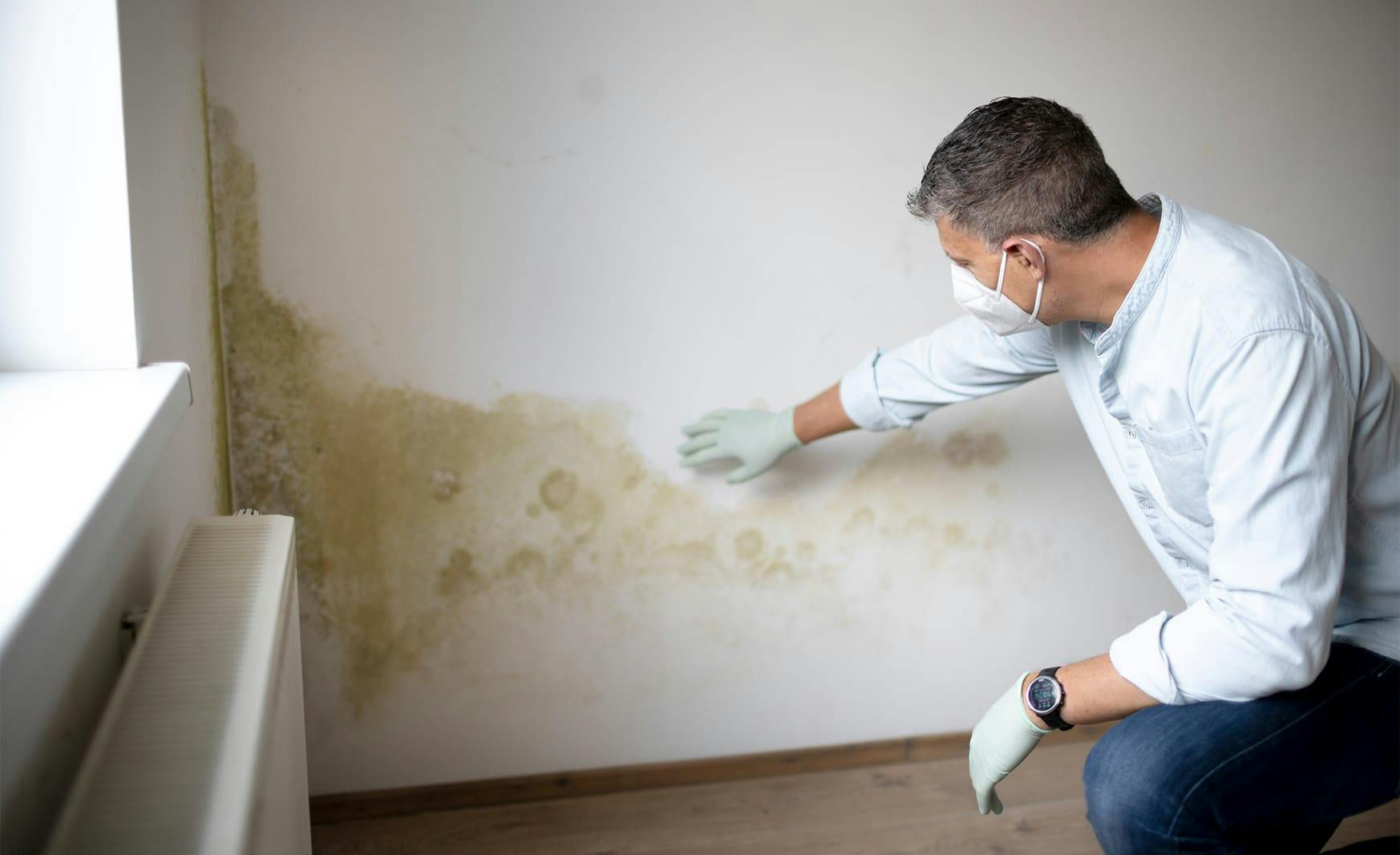

In New York, mold damage claims involving first-party property insurance are primarily guided by the following laws and regulations:
This statute governs standard fire insurance policies and typically serves as a baseline for coverage related to water and mold damage resulting from fire incidents or firefighting efforts.
Regulation 64 establishes insurance companies' guidelines for handling property insurance claims. It mandates timely investigations, prompt communications, fair claims handling practices, and clearly documented reasons for claim denials or settlements.
This consumer protection statute prohibits deceptive business practices, including unfair or deceptive handling of insurance claims. Insurance companies found in violation could be subject to liability for additional damages, making it a powerful tool when insurers deny, undervalue, or mishandle mold claims unjustly.
Claims involving breach of contract, such as mold damage coverage disputes, typically must be filed within six years of the denial or underpayment of the insurance claim. Property owners must be mindful of this timeline to preserve their rights.
Mold coverage in insurance policies can vary significantly. New York law permits insurers to limit or exclude mold coverage, often requiring separate endorsements or riders for mold-related claims. Attorneys and claimants must carefully review individual policies to determine coverage scope, relevant exclusions, and applicable limits.


Mold damage in New York properties can quickly become a serious issue, posing health risks, requiring costly repairs, and complicating insurance disputes. You do not have to deal with the claims process alone. The insurance claims attorneys at Vargas Gonzalez Delombard provide the experience, insight, and hands-on guidance needed to handle complex mold damage claims and challenge unfair insurance practices. Our team has helped clients pursue the compensation available under their policies after property damage events, and we understand how difficult it can be when insurers delay, undervalue, or deny valid claims.
Some of our team’s recognitions and memberships include:
Fluent in both English and Spanish, we are committed to clear communication and strong advocacy for every client we represent. If your property has suffered mold damage and your insurer is not handling your claim fairly, contact us today to schedule a complimentary case review. We handle cases on a contingency basis, so you pay nothing unless we recover compensation for you.
How can mold exposure affect my health?
Does standard homeowner’s insurance cover mold damage automatically?
What is "reasonable time" for insurance companies to respond to mold claims in NY?
Am I required to hire a licensed mold remediation professional in NY?
Can insurers deny my claim if mold was present before I bought the property?
Who is responsible for proving the mold damage in an insurance claim?
Are NY property owners required to disclose past mold damage to potential buyers?
What does mold remediation typically involve?
Are property owners legally obligated to mitigate mold damage?
Can mold damage reduce the value of my NY property?
Exposure to mold spores can cause allergic reactions, respiratory distress, and asthma attacks, especially in children, the elderly, and those with weakened immune systems. Symptoms include coughing, nasal congestion, throat irritation, wheezing, and eye irritation.
Not always. Most standard homeowner’s policies limit or exclude mold damage unless directly related to covered perils like water damage from burst pipes or firefighting efforts. Often, additional endorsements are necessary for broader mold coverage.
Under Regulation 64 (11 NYRR 216), insurers must acknowledge receipt of your claim within 15 business days, commence an investigation promptly, and communicate regularly throughout the process. Final settlement or denial decisions typically should occur within 15 business days after receiving all necessary information.
Yes, New York State law requires that mold assessments and remediations be conducted by licensed professionals if the affected area covers ten square feet or more.
Yes, insurers may deny claims based on pre-existing conditions or previous mold damage, as policies typically only cover damages that occur after coverage begins. Detailed property inspections before purchasing insurance or property are essential to avoid claim disputes.
As the policyholder, you bear the initial burden of proving mold damage. However, once you've documented your claim, New York law requires insurers to thoroughly investigate and substantiate reasons for denial or undervaluation.
Yes. Under New York State's Property Condition Disclosure Act, sellers must disclose to prospective buyers known mold problems or conditions that may lead to mold growth or potentially face liability later.
Mold remediation typically includes identification, containment, mold removal, treatment of affected areas with antimicrobial solutions, drying, air filtration, and restoring the property to its original condition. Proper remediation helps prevent recurrence and protects property values.
Yes, policyholders in NY must take immediate steps to minimize mold damage after discovery, such as repairing leaks and drying affected areas, to preserve their right to full insurance coverage. Failure to mitigate could lead insurers to reduce or deny claims.
Absolutely. Mold contamination significantly reduces property value, making timely remediation and accurate insurance claims crucial. Mold-damaged properties typically sell at lower prices, and unaddressed mold may cause further structural deterioration and increased costs over time.