We’re Built for High-Stakes Hotel Insurance Claims

Hotel insurance claims require a level of experience and precision that goes far beyond standard residential property cases. At Vargas Gonzalez Delombard, LLP, our attorneys represent commercial property owners and businesses in complex insurance disputes, including claims involving structural damage, business interruption, layered coverage issues, and bad faith.

We approach every case prepared. Our team interprets policy language, documents losses and challenges, challenges undervaluation, and builds cases designed to withstand scrutiny and drive results. We have helped thousands of clients recover after insurers delayed, denied, or underpaid valid claims.

We also understand that when a hotel is impacted, the urgency is real. Revenue stops. Operations slow or halt entirely. Decisions cannot wait. That is why we prioritize responsiveness and clear communication from day one, and tailor every strategy to your property, your policy, and your timeline. Our firm works on a contingency-fee basis, which means you pay nothing unless we recover for you.

Our Results Speak for Themselves

Our track record reflects what aggressive, well-prepared representation can accomplish. In many of these cases, the insurer initially offered little or nothing at all.

Case Type Verdict Pre-Trial Offer
Property Damage (Roof) $125,000 $0
Water Damage $110,000 $0
Hurricane Damage $75,894.38 $500
Water/Wind Damage $60,000 $250
Water Damage $48,633.89 $0
Hurricane Damage $45,500 $1,000
Water Damage $40,000 $125

Results vary. Past outcomes do not guarantee future results.

Hotel Property Damage Is More Common Than You Think

Commercial properties, including hotels, face significant exposure to weather, fire, water intrusion, and structural failure every year.

According to the Insurance Information Institute, commercial property losses are among the largest segments of insurance claims in the United States. The National Fire Protection Association reports that U.S. fire departments respond to thousands of fires at hotels and motels annually, causing millions of dollars in direct property damage.

Business interruption losses often surpass physical damage costs in hotel cases. When rooms go offline, events get canceled, and revenue stops flowing, the financial impact compounds quickly. Yet business interruption claims are among the most frequently underpaid and disputed by insurers.

Banner media

Types of Hotel Insurance Claims We Handle

Property Insurance

This covers physical damage to the structure and its contents, including:

  • Guest rooms
  • Common areas
  • Fixtures
  • Furniture
  • HVAC systems
  • Equipment

Disputes often center on the scope of repairs required and how damage should be valued.

Business Interruption Insurance

This coverage is designed to compensate for lost income and continuing expenses when your hotel cannot operate at full capacity or at all. Insurers frequently undercount losses by:

  • Challenging revenue projections
  • Disputing the length of recovery
  • Misapplying policy definitions

Extra Expense Coverage

This covers costs incurred to continue operations during repairs, such as:

  • Relocating guests
  • Renting temporary facilities
  • Accelerating repairs

Equipment Breakdown Coverage

This applies when mechanical systems such as elevators, HVAC units, or commercial kitchens fail due to a covered cause.

Loss of Attraction Coverage

Some policies cover losses stemming from damage to nearby properties or attractions that reduce your hotel's revenue.

Why Hotel Insurance Claims Get Denied or Underpaid

Insurers routinely point to the same justifications when they shortchange hotel claims:

  • Claiming the damage is not covered under the policy
  • Arguing losses are pre-existing or from gradual deterioration
  • Challenging documentation or disputing contractor estimates
  • Alleging that notice deadlines were missed
  • Undervaluing the scope of repairs needed

At the same time, many insurers use delay as a pressure tactic, dragging out investigations and decisions in hopes that policyholders will accept less or abandon the claim.

Most hotel insurance disputes ultimately come down to two issues: policy interpretation and damage valuation. Both require experienced legal analysis to resolve in your favor.

hotel building

Why Hotel Owners Should Hire a Hotel Insurance Claims Attorney

Hotel claims are too complex to navigate on your own. Policies contain definitions, conditions, exclusions, and endorsements that interact in ways that are rarely straightforward. Insurers assign experienced adjusters and legal teams to these cases immediately, so you deserve the same.

Experienced legal representation can:

  • Interpret coverage across multiple policy layers
  • Ensure losses are fully documented and accurately presented
  • Coordinate financial analysis for business interruption claims
  • Negotiate from a position of strength backed by litigation readiness
  • Pursue litigation, including bad faith claims, when insurers act unreasonably

Studies from the Insurance Research Council have consistently found that claimants represented by attorneys recover significantly more than those who navigate claims on their own. For commercial policyholders facing complex losses, that gap is even wider.

Common Causes of Hotel Property Damage

Our attorneys represent hotel owners across a wide range of covered losses. The most common causes include:

  • Wind and hurricane damage: Roof systems, windows, facades, and structural elements bear the brunt of severe weather events.
  • Water intrusion: Plumbing failures, roof leaks, and storm surge can cause significant damage to multiple floors simultaneously.
  • Fire damage: Electrical failures, kitchen fires, and arson events can cause total or near-total losses.
  • Hail damage: Hail frequently damages roofing, HVAC equipment, skylights, and exterior cladding.
  • Mold and long-term moisture damage: Often a secondary consequence of untreated water intrusion, and a frequent point of dispute with insurers.
  • Structural and construction defects: Pre-existing issues that become apparent after a covered event often trigger coverage disputes.
Logo media

Types of Hotels and Hospitality Properties We Represent

Our attorneys work with a broad range of hotel and hospitality property owners, including:

  • Full-service hotels and resorts
  • Boutique and independent hotels
  • Extended-stay properties
  • Motels and roadside lodging
  • Bed-and-breakfast establishments
  • Hotel chains and franchised properties
  • Mixed-use commercial buildings with hospitality components

Whether you own one property or a portfolio, our team is equipped to handle the complexity of your claim.

Banner media

What Compensation Is Available in Hotel Insurance Claims

When an insurer breaches its obligations, you may be entitled to recover:

  • Actual Cash Value (ACV): The depreciated value of damaged property at the time of loss.
  • Replacement Cost Value (RCV): The cost to repair or replace damaged property with new materials of like kind and quality, without deducting depreciation.
  • Business interruption losses: Lost revenue, continuing expenses, and payroll incurred during the period of restoration.
  • Extra expense reimbursement: Costs to mitigate the interruption and resume normal operations.
  • Consequential damages: Additional losses caused by the insurer's breach.
  • Bad faith damages: In cases of unreasonable claims handling, courts may award damages beyond the policy limit, including attorney's fees.

The difference between ACV and RCV can be substantial. Replacement cost coverage is almost always more favorable to policyholders, and insurers often apply ACV calculations aggressively to reduce payouts, even when RCV applies.

Steps to Take After Hotel Property Damage

Report the loss promptly

  • Notify your insurer as soon as possible after the damage occurs
  • Most policies impose notice requirements, and delays can give insurers a basis to dispute your claim

Document everything

  • Photograph and video all damage thoroughly before any cleanup or temporary repairs
  • Preserve physical evidence wherever possible

Mitigate further damage

  • You have an obligation under most policies to take reasonable steps to prevent additional loss
  • Hire contractors to board up windows, extract water, or protect exposed areas

Preserve your financial records

  • Collect historical revenue data, profit-and-loss statements, tax records, and expense documentation for your business interruption claim

Get independent repair estimates

  • Do not rely solely on the insurer's adjuster for damage valuation
  • Retain your own public adjuster or contractor to assess repair costs independently

Contact an attorney before accepting any settlement offer

  • Once you accept a settlement, your options narrow significantly
  • A hotel insurance claims lawyer can evaluate whether the offer reflects the full value of your loss
Background media

Types of Hotel Insurance Disputes We Handle

  • Structural and exterior damage claims involving roofs, walls, windows, and foundations
  • Interior damage claims covering guest rooms, common areas, and commercial spaces
  • Water and mold claims stemming from plumbing failures, or roof leaks
  • Hurricane and windstorm claims with denied or underpaid coverage
  • Fire damage claims covering both structure and contents
  • Business interruption and extra expense disputes
  • Loss of attraction claims tied to nearby property damage
  • Bad faith claims against insurers who mishandle the claims process
  • Class action claims involving widespread policyholder disputes with an insurer

Hotel Insurance Claims FAQs

How long do I have to file a hotel insurance claim?

What is insurance bad faith?

What if my insurer uses replacement cost value (RCV) vs. actual cash value (ACV)?

How is business interruption calculated in a hotel insurance claim?

What does it cost to hire Vargas Gonzalez Delombard?

How long does a hotel insurance claim dispute take?

Do I need a lawyer if my claim was denied?

How long do I have to file a hotel insurance claim?

Policy notice requirements and legal deadlines vary by insurer and jurisdiction. Most policies require prompt notice after a loss, and some impose specific claim-filing deadlines. Contact an attorney as soon as possible after a loss to protect your rights.

What is insurance bad faith?

Insurance bad faith occurs when an insurer unreasonably denies, delays, or underpays a valid claim, or otherwise fails to act honestly and fairly toward the policyholder. In many jurisdictions, bad-faith claims can result in damages exceeding the policy limit, including attorneys' fees.

What if my insurer uses replacement cost value (RCV) vs. actual cash value (ACV)?

RCV covers the cost of repairing or replacing damaged property with new materials, without deducting depreciation. ACV subtracts depreciation, which can significantly reduce the payout. Insurers sometimes apply ACV calculations even when RCV applies. An attorney can review your policy to determine which valuation method applies and challenge any improper reductions.

How is business interruption calculated in a hotel insurance claim?

Business interruption losses are typically calculated based on historical revenue, projected revenue during the covered period, ongoing fixed expenses, and the length of the restoration period. Insurers frequently dispute these figures. Thorough financial documentation, combined with experienced legal representation, is essential to maximizing recovery.

What does it cost to hire Vargas Gonzalez Delombard?

Our firm works on a contingency-fee basis. You pay nothing unless we recover compensation for you. There are no upfront costs and no hourly fees. Contact us to schedule a free, no-obligation case evaluation.

How long does a hotel insurance claim dispute take?

Resolution timelines depend on the complexity of the claim, the insurer's responsiveness, and whether litigation becomes necessary. Some claims resolve through negotiation within weeks or months. Others proceed to trial. Our team works to achieve the best outcome as efficiently as possible without sacrificing the value of your claim for the sake of speed.

Do I need a lawyer if my claim was denied?

A denial is not final. Insurers deny claims for a range of reasons, some of which do not hold up under legal scrutiny. An experienced hotel insurance claims attorney can review the denial, identify weaknesses in the insurer's position, and build the case for recovery. Many of our best results came in cases where the insurer initially offered nothing.

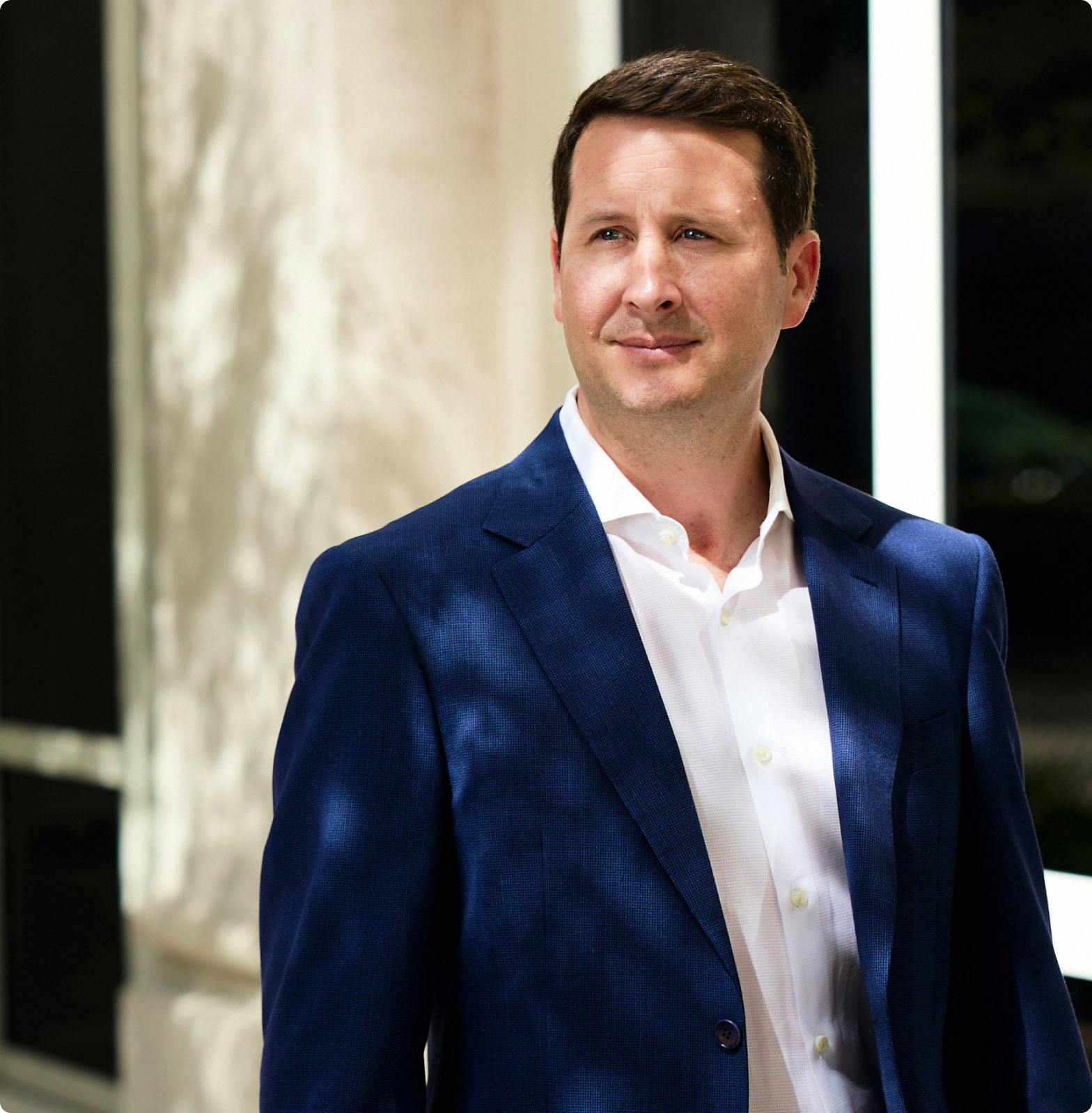
Andrew Vargas outside

Contact Vargas Gonzalez Delombard for a Free Case Evaluation

At Vargas Gonzalez Delombard, LLP, our attorneys bring decades of combined experience in insurance, civil, and complex commercial property litigation. We represent hotel owners and commercial property operators nationwide, and we have helped thousands of clients recover after insurers delayed, denied, or underpaid valid claims.

Our lead attorneys include Andrew Vargas, Louis Gonzalez, Rene Delombard, and Michael Ortiz—each with significant experience in insurance disputes and civil litigation, and each committed to the same standard: securing the full compensation you are owed.

We are available 24/7, work on a contingency-fee basis, and offer your first case evaluation free of charge. Contact us today to tell us what happened and learn what we can do for you.

Disclaimer: The information on this page is provided for general educational purposes only and does not constitute legal advice. Every case is different. Past results do not guarantee future outcomes.

This field is required.
Subscribe

Free Claims Consultation Tell Us About Your Case

Get a Free Case Evaluation
Contact us media
Accessibility: If you are vision-impaired or have some other impairment covered by the Americans with Disabilities Act or a similar law, and you wish to discuss potential accommodations related to using this website, please contact our Accessibility Manager at (407) 794-3056.
Contact Us