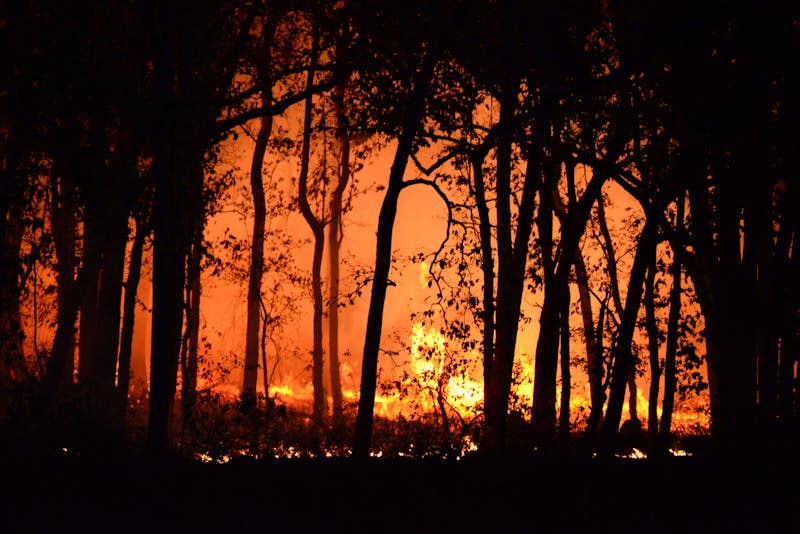
The Ross Fire has burned more than 80,000 acres in North Texas. The fast-moving blaze has damaged property, closed roads, disrupted schools, and forced residents to leave their homes.
As of August 27, 2026, the Ross Fire burned about 80,000 acres and was 12% contained. The fire is still active, so these numbers may change quickly.
People near the fire should follow instructions from local officials. Personal safety should always come first. Once it is safe to return, property owners can begin documenting their damage and contacting their insurance companies.
How Did the North Texas Grass Fire Grow So Fast?
The Ross Fire started Monday afternoon, August 24, near U.S. Highway 180 in Palo Pinto County. The fire began west of Fort Worth and spread across grass, trees, brushes, and ranchland.
At first, it was a small grass fire. However, extreme heat, strong winds, and dry conditions helped the flames spread quickly.
The fire spread very fast. It grew to about 50,000 acres by August 25 and about 80,000 acres by August 26. Firefighters are using planes, helicopters, bulldozers, and other equipment to fight the blaze.
The cause of the Ross Fire is still being investigated.
Palo Pinto and Jack County Residents Ordered to Evacuate
The fire led to evacuation orders in parts of Palo Pinto and Jack counties. About 630 homes were evacuated during the early part of the fire.
Some areas were placed under mandatory evacuations because the fire was moving toward nearby homes and communities. An evacuation center was opened at the Twin Lakes Recreation Center in Jacksboro to help displaced residents.
Some people in Jack County were later allowed to return home. However, officials warned residents to remain careful because the fire was still burning nearby.
The fire also caused road closures and school changes. Some schools canceled classes. Others opened late or changed their bus schedules.
People should continue watching local emergency alerts and trusted news reports. A wildfire can quickly change direction when the wind shifts.

Texas Officials Respond to the Ross Fire
Local fire departments, emergency workers, and the Texas A&M Forest Service are working together to control the fire. Aircraft have dropped water and fire retardant while crews on the ground have worked to build containment lines.
Governor Greg Abbott announced that the Federal Emergency Management Agency approved federal help for the Ross Fire. The grant allows Texas to receive federal reimbursement for certain costs related to fighting the fire.
Fire departments and emergency teams from other parts of Texas have also joined the response.
Ross Fire Causes Property Damage Across North Texas
Officials have confirmed that the fire damaged or destroyed several structures. The full amount of damage is still unknown.
The fire also damaged Worth Ranch, a Scouting America camp in Palo Pinto County. Early pictures taken from the air showed that the fire caused serious damage to several buildings at Worth Ranch. Officials were still checking the area to learn about the full amount of damage. No scouts, campers, or guests were there when the fire reached the camp, and the camp ranger was able to leave safely.
Wildfires can cause many kinds of property damage, including:
- Fire and heat damage
- Smoke, soot, and ash damage
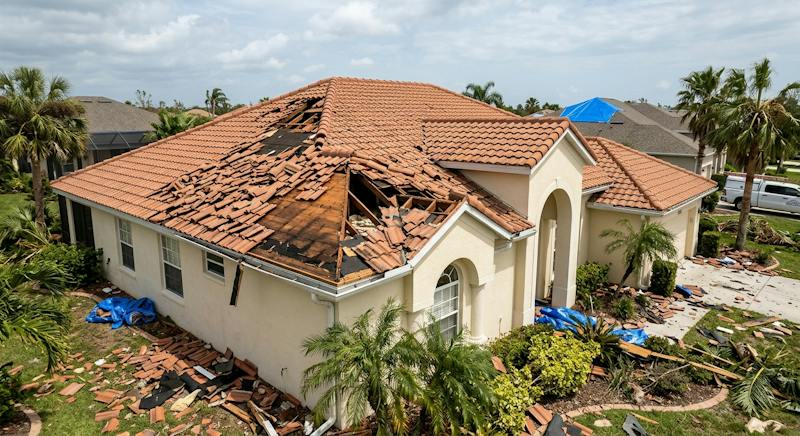
- Roof and siding damage
- Broken windows
- Water damage from firefighting efforts
- Damage to barns, sheds, and fences
- Damaged furniture and personal belongings
- Burned trees and landscaping
Some damage may be difficult to see. Smoke and ash can enter walls, insulation, air-conditioning systems, and other parts of a building.
Does Texas Homeowners Insurance Cover Wildfire Damage?
Homeowners insurance will often cover fire and smoke damage. However, every policy is different. Coverage depends on the policy’s limits, exclusions, rules, and deductible.
Depending on the policy, insurance may help pay for:
- Repairs to the home
- Rebuilding a destroyed home
- Smoke and soot cleanup
- Damaged furniture and belongings
- Damage to covered sheds or other structures
- Temporary repairs
- Debris removal
- Hotel and other living expenses
If a home is unsafe, the policy may include additional living expense coverage. This coverage may help pay for a hotel, rental home, meals, and other added costs.
The Texas Department of Insurance says most homeowners' insurance policies cover damage from fire, smoke, and explosions. Your policy may pay up to its coverage limit, but you may still have to pay your deductible.

What North Texas Property Owners Should Do After a Wildfire
Do not return home until officials say it is safe. Burned areas can have fallen power lines, unsafe buildings, hot spots, and sharp debris.
When it is safe to return, take these steps:
Contact Your Insurance Company
Report the damage as soon as possible. Ask for your claim number and the contact information for your insurance adjuster.
Take Photos and Videos
Take pictures and videos of all the damage. Record damage caused by fire, smoke, ash, soot, heat, and water.
Do not throw away damaged items until the insurance company tells you it is okay. If you must remove something for safety, take pictures first.
Stop the Damage From Getting Worse
Your policy may require you to protect the property from more damage. For example, you may need to cover a hole with a tarp or board up a broken window.
Only make temporary repairs before the insurance inspection when possible. Keep all receipts.
Make a List of Damaged Items
Write down everything that was damaged or destroyed. Include the item’s age, original price, and replacement cost if you know them.
Old pictures, receipts, credit card statements, and online orders may help show that you owned the items.
Save Your Receipts
Keep receipts for hotels, meals, clothing, temporary repairs, pet boarding, and other costs caused by the fire.
Your policy may not cover every expense. Still, the receipts may help support your claim.
Keep Good Records
Save all emails, letters, estimates, reports, pictures, and receipts. Write down the name of each person you speak with at the insurance company.
The Texas Department of Insurance recommends taking pictures, making temporary repairs, saving receipts, and keeping records of insurance company conversations.
Watch Out for Contractor Scams in Texas
After a wildfire, contractors may quickly visit damaged neighborhoods and offer repairs. Some may pressure property owners to sign a contract immediately.
Before hiring a contractor:
- Get more than one estimate.
- Check the contractor’s references.
- Read the entire contract.
- Do not sign a contract with blank spaces.
- Do not pay the full price before work starts.
- Do not accept an offer to waive your deductible.
In Texas, contractors generally cannot pay, waive, or give back a homeowner’s insurance deductible.
What If the Insurance Company Does Not Pay Enough?
Insurance disagreements can happen after a wildfire. An insurance company may disagree about:
- What caused the damage
- How much cleanup is needed
- How much repairs should cost
- The value of damaged belongings
- Whether a building is covered
- Whether the home is safe
- How much it should pay for temporary housing
Ask the insurance company to explain its decision in writing. You can also ask which part of the policy supports its decision.
If your claim is denied, delayed, or underpaid, a Texas property insurance attorney may be able to review your policy and claim documents.

Help With a North Texas Wildfire Insurance Claim
The Ross Fire has caused serious damage near the Dallas-Fort Worth area. Families, ranchers, and business owners may face a long cleanup and recovery process.
Vargas Gonzalez Delombard, LLP helps property owners with residential and commercial insurance disputes. If you believe your Ross Fire claim was wrongly denied, delayed, or underpaid, contact our firm to discuss your situation.
This article is for general information only. It is not legal advice. Insurance coverage depends on the facts of the loss and the terms of the policy.