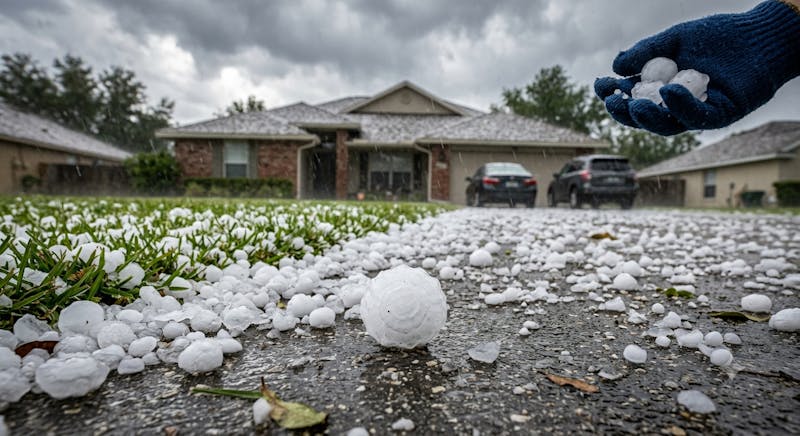
Chicago storms brought destructive winds and large hail, leaving many people worried about their homes and businesses.
On July 27, 2026, a powerful line of severe thunderstorms moved across the Chicago area, bringing destructive winds, large hail, heavy rain, flooding, and several tornadoes. During the outbreak, the National Weather Service reported destructive severe thunderstorm warnings and life-threatening wind gusts over 100 mph, while reports documented golf ball-sized hail in parts of the area.
Thousands of residents experienced property damage and power outages as emergency crews worked to clear roads and restore electricity. If your home or business was damaged, taking the right steps now can help protect your property and your insurance claim.
Chicago Storms Bring Hail, Strong Winds, and Property Damage
The recent Chicago storm damage was caused by an intense outbreak of severe weather that swept across northern Illinois. According to the National Weather Service, the storms produced several tornadoes, extensive wind damage, damaging hail, and flooding across the region.
During the severe weather event, a powerful line of thunderstorms moved through the Chicago area, bringing destructive winds, heavy rain, hail, and widespread property damage. The National Weather Service issued warnings for storms capable of producing winds over 100 mph, while some communities reported golf ball-sized hail.
Many neighborhoods across the Chicagoland area experienced fallen trees, damaged roofs, broken windows, and power outages, leaving property owners with significant cleanup and repair costs.
Destructive Winds and Line Winds Can Damage Chicago Neighborhoods
The most powerful storms can create destructive winds and straight-line winds. These winds can cause damage that looks similar to damage caused by tornadoes.
Homes in many neighborhoods may experience:
-
Missing or lifted shingles
-
Fallen trees
-
Broken windows
-
Damaged siding
-
Bent gutters
-
Damaged fences
-
Water entering the home
-
Damage to outdoor air-conditioning units
Even when a roof looks normal from the ground, high winds may have loosened shingles or damaged the materials under them.
Hail Damage Can Harm Your Roof and Home
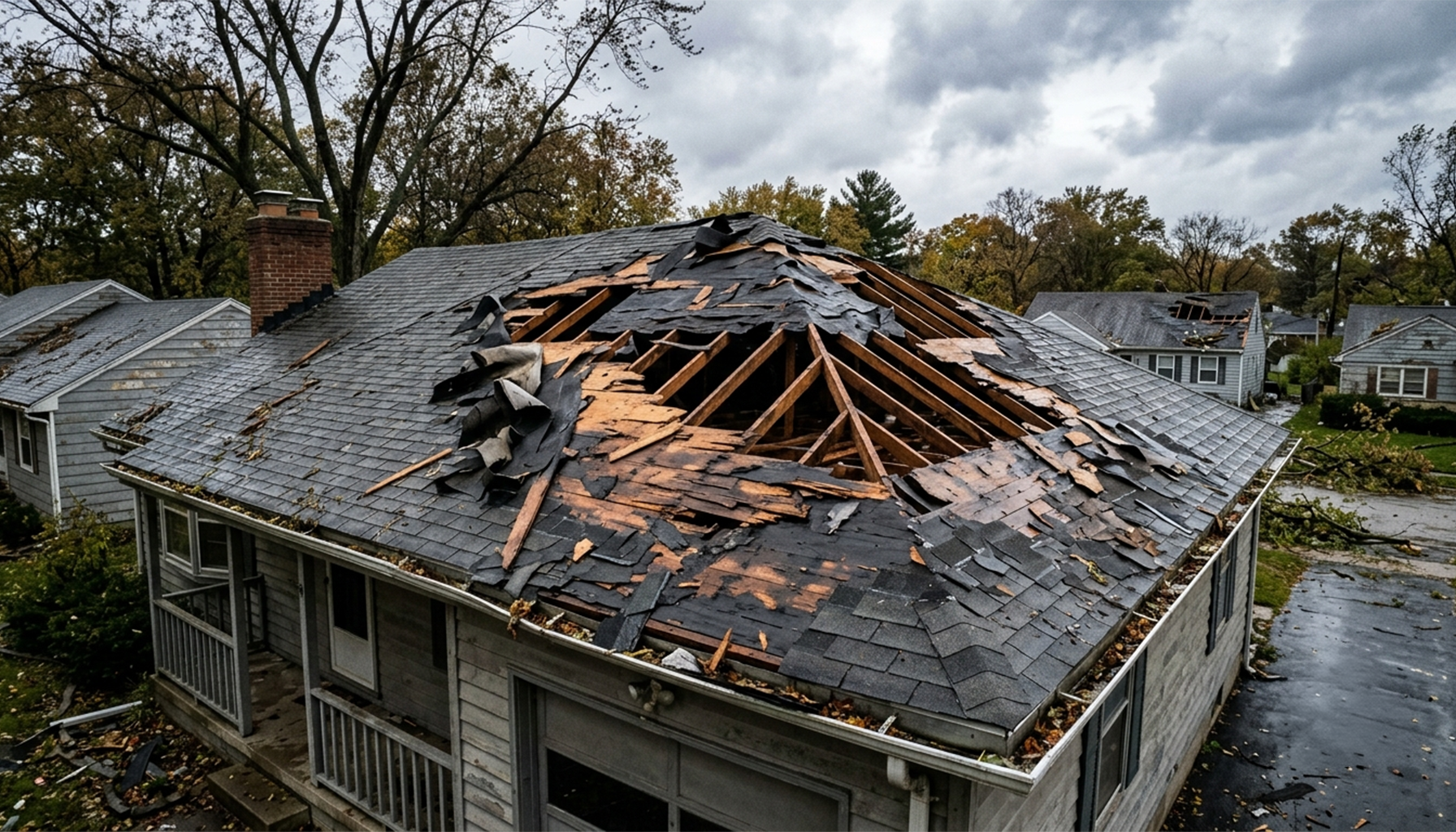
Hail damage is not always easy to see. Hail may leave dents, cracks, soft spots, or missing pieces on roofing materials.
A homeowner may not notice the problem until rain begins entering the house. This can lead to ceiling stains, wet insulation, damaged walls, and mold.
After a major storm, a professional roof inspection can help find problems that are not visible from the ground.
Signs of Chicago Hail Damage
Signs of hail damage may include:
-
Dents in gutters or vents
-
Cracked or missing shingles
-
Dark spots on the roof
-
Damaged siding
-
Broken windows
-
Dents in metal surfaces
-
Water stains on ceilings
-
Loose roofing materials
A Chicago hail damage insurance claim should include clear photos, videos, repair estimates, and inspection reports.
Do not climb onto your roof yourself. Wet or damaged roofing materials can be dangerous.
Hail Damage Repair and Your Roof Claim
The cost of hail damage repair depends on how much of the property was affected. Some homeowners may only need small repairs. Others may need a full roof replacement.
Before accepting an insurance payment, make sure the estimate includes all covered damage.
A roof claim may include more than shingles. It may also include gutters, flashing, vents, siding, windows, insulation, ceilings, and other parts of the property.
Wind Damage and Roof Damage After Severe Storms
Wind damage can happen when powerful gusts lift, bend, or remove roofing materials.
Once part of the roof is damaged, rain can enter the building. Even a small opening may lead to serious water damage.
Signs of roof damage may include:
-
Shingles in the yard
-
Loose or curled shingles
-
Water stains
-
Ceiling leaks
-
Damaged flashing
-
Fallen branches on the roof
-
Pieces of roofing material near the home
Many homeowners believe there is no damage because they cannot see a hole. However, wind may break the seal between shingles without creating an obvious opening.
Repairs May Be Needed Even When Damage Is Hidden
Property owners should not wait for a leak before checking the property.
Hidden damage can become worse over time. A loose shingle may allow water to enter during the next storm. Wet insulation and drywall may also lead to mold.
Make temporary repairs when it is safe to do so. For example, a damaged area may need to be covered with a tarp.
Keep all receipts for emergency work, supplies, inspections, and repairs.
Illinois Storm Damage Claims and Insurance Coverage
Homeowners and businesses may be able to file Illinois storm damage claims after wind, hail, or water damages their property.
Your homeowners policy may provide coverage for certain types of storm damage. However, every insurance policy is different.
Some policies may cover:
-
Wind damage
-
Hail damage
-
Roof damage
-
Falling trees
-
Water entering through storm-created openings
-
Damage to personal property
-
Temporary living expenses
-
Certain emergency repairs
Flood damage may be treated differently. Standard homeowners insurance often does not cover rising groundwater or outside flooding. Separate flood insurance may be required.
Read your policy carefully or ask for help understanding what coverage may apply.
How to File a Storm Damage Insurance Claim
After checking that your family is safe, take these steps:
-
Photograph and record all visible damage.
-
Report the claim to your insurance carrier.
-
Protect the property from more damage.
-
Save receipts for emergency repairs.
-
Make a list of damaged belongings.
-
Request a copy of the insurance company’s estimate.
-
Keep emails, letters, reports, and claim documents.
-
Write down the dates of every phone call.
-
Ask for a professional roof inspection.
-
Review the payment before signing any final documents.
Your storm damage insurance claim should explain when the storm happened and what parts of the property were affected.
Do not throw away damaged items until they have been photographed and the insurance company has had a chance to inspect them.
Insurance Claims May Be Delayed, Denied, or Underpaid
Some insurance claims are paid correctly. Others may be delayed, denied, or underpaid.
Insurance carriers may argue that the damage was caused by:
-
Old age
-
Poor maintenance
-
Wear and tear
-
A previous storm
-
Flooding instead of covered rain
-
A construction problem
-
Damage that existed before the storm
The insurance company may also approve only part of the repairs.
For example, it may agree to replace a few shingles even when the roofing materials cannot be properly matched or repaired.
What If Your Storm Damage Claims Are Underpaid?
You may have options when storm damage claims are not handled fairly.
Ask the insurance company for a written explanation of its decision. Compare its estimate with reports from your contractor or roofing professional.
You should also review whether the estimate includes:
-
All damaged areas
-
The correct materials
-
Labor costs
-
Building code requirements
-
Interior water damage
-
Debris removal
-
Taxes and permit fees
Property owners do not always have to accept the first payment offered by the insurance company.
Power Outages Can Make Storm Recovery More Difficult
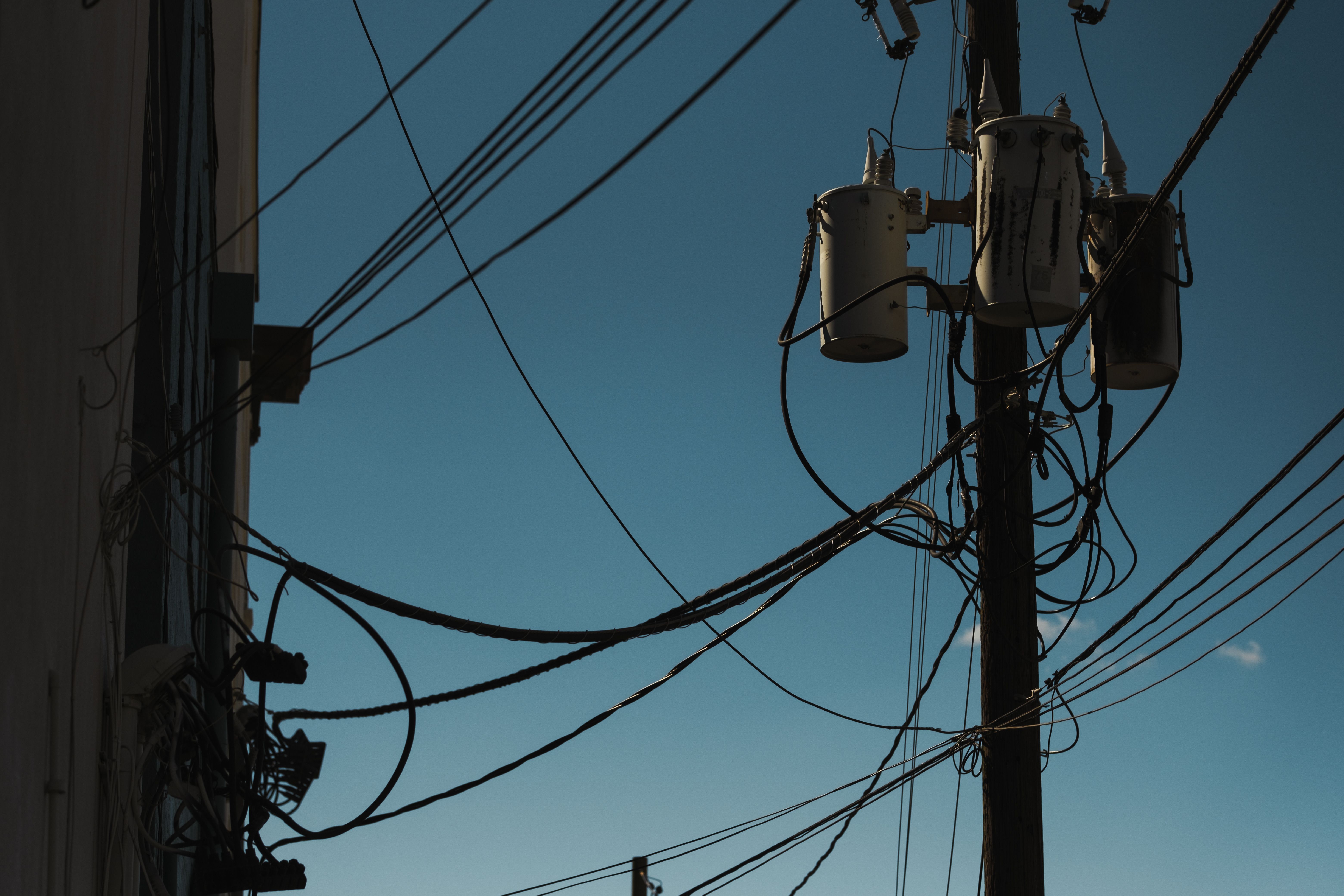
Severe thunderstorms can knock down trees, utility poles, and power lines. This may lead to widespread power outages.
Never touch a fallen power line. Stay away from standing water near electrical wires and report the danger to local officials.
During an outage:
-
Use flashlights instead of candles
-
Keep refrigerator doors closed
-
Do not use a generator inside a home or garage
-
Keep generators away from windows
-
Follow local emergency instructions
-
Check on older relatives and neighbors when it is safe
Businesses should also record losses caused by an outage. Depending on the policy, certain business interruption or food spoilage losses may be covered.
Heavy Rain and Flooding Can Cause Water Damage
These storms may bring heavy rainfall in a short amount of time. When drainage systems cannot handle the water, streets, yards, and lower parts of buildings may flood.
Heavy rain may also enter through a damaged roof, broken window, or opening created by wind.
Take photos of standing water and damaged materials before cleanup begins. Remove water when it is safe and take reasonable steps to prevent mold.
The cause of the water is important. Insurance coverage for rain entering through storm damage may be different from coverage for outside floodwater.
Chicago Severe Weather May Include Tornadoes and Thunderstorms
The National Weather Service and the Storm Prediction Center monitor severe weather across Illinois and issue watches and warnings when dangerous conditions develop.
The July 27 storm outbreak showed how quickly severe weather can become life-threatening. According to the National Weather Service Chicago, the storms produced:
-
Several tornadoes
-
Extensive wind damage
-
Damaging hail
-
Flooding
-
Widespread power outages
-
Wind gusts exceeding 100 mph in some warned storms
Strong thunderstorms can also produce straight-line winds that cause damage similar to tornadoes, making professional inspections especially important after major storms.
Residents should continue monitoring weather alerts whenever additional rounds of storms are expected.
Monitor Weather Alerts After the Storm
Severe weather can develop in multiple rounds, so property owners should keep checking official forecasts and alerts after the first storm passes. If additional thunderstorms are expected, stay alert for new wind, hail, and flooding risks.
What Many Homeowners Should Do After Chicago Storm Damage
Many homeowners are unsure where to begin after a storm.
Start by checking the property from a safe location. Look for roof damage, fallen trees, broken windows, damaged siding, and water inside the home.
You should also:
-
Photograph every damaged area
-
Record the date and time
-
Save weather alerts
-
Keep damaged items
-
Request repair estimates
-
Read your insurance policy
-
Keep claim communications in one place
Do not make permanent repairs before the insurance company has had a reasonable chance to inspect the damage unless waiting would create a safety problem or cause more damage.
Commercial Property Owners May Have Additional Losses
Storms can also damage offices, apartment buildings, stores, restaurants, warehouses, and other commercial properties.
Commercial property damage may include:
-
Roof and window damage
-
Water entering the building
-
Damaged equipment
-
Lost inventory
-
Sign damage
-
Electrical damage
-
Cleanup costs
-
Lost business income
Commercial property owners should review whether their policy includes business interruption coverage or other benefits.
Keep records showing when the business closed, why it closed, and how much income may have been lost.
Severe Weather Events Can Create Complicated Insurance Disputes
Major severe weather events can cause thousands of claims at the same time. This may slow inspections and repairs.
However, insurance carriers must still investigate claims and explain their decisions.
A property owner may need help when:
-
The claim is denied
-
The payment is too low
-
The inspection missed damage
-
The insurer is delaying the claim
-
Wind damage is blamed on wear and tear
-
Water damage is not included
-
The roof claim does not include all necessary work
-
The insurance company refuses to reconsider new evidence

Vargas Gonzalez Delombard, LLP Helps Illinois Property Owners
Recovering from severe weather can be stressful. Families and businesses may be dealing with damaged property, power outages, cleanup costs, and insurance questions at the same time.
Vargas Gonzalez Delombard, LLP represents homeowners and commercial property owners in property insurance disputes.
Our attorneys can review your policy, inspect the insurance company’s decision, and explain your legal options.
If your Chicago storm damage claim was delayed, denied, or underpaid, contact Vargas Gonzalez Delombard, LLP to request a free consultation.
Your insurance company has professionals protecting its interests. You deserve someone protecting yours.
This article provides general information and is not legal advice. Every insurance claim and policy is different.