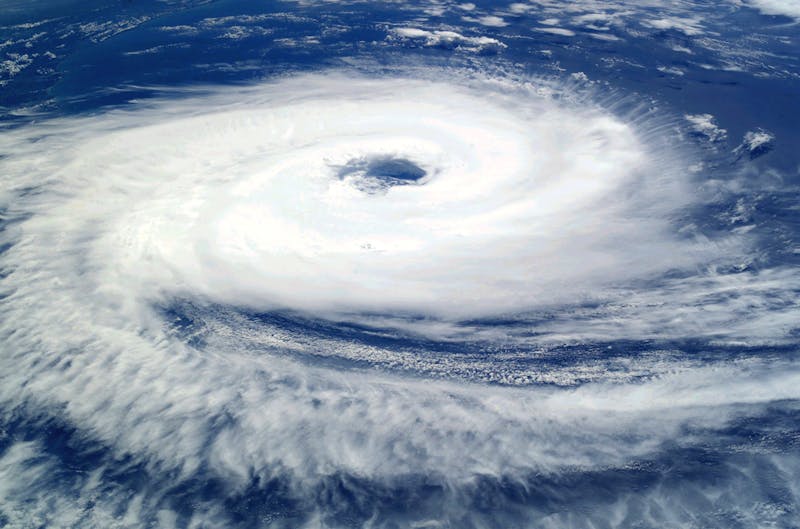
The 2026 Atlantic hurricane season officially began on June 1 and runs through November 30. While experts are predicting a below-normal season this year, Florida property owners should not let their guard down.
According to the National Oceanic and Atmospheric Administration (NOAA), the 2026 forecast calls for:
8 to 14 named tropical storms
3 to 6 hurricanes
1 to 3 major hurricanes (Category 3 or higher)
For comparison, the average hurricane season typically produces around 14 named storms and 7 hurricanes.
So, what does this mean for Florida homeowners, condo associations, hotels, and business owners?
“Below Normal” Does Not Mean “No Risk”
A quieter season does not eliminate the risk of hurricane damage. It only takes one storm making landfall in Florida to cause significant losses to your home, business, or community.
Florida residents learned this lesson during Hurricane Milton and other recent storms that caused widespread roof damage, flooding, business interruption losses, and insurance disputes across the state.
Even when fewer storm names appear on the seasonal list, a single tropical cyclone can create devastating consequences. Whether a storm develops in the Atlantic Ocean or the Gulf, Florida property owners should remain prepared throughout the entire season.
Why NOAA Predicts Fewer Storms This Year
NOAA meteorologists believe developing El Niño conditions may help suppress tropical development across parts of the Atlantic Basin.
El Niño often increases wind shear, making it more difficult for tropical storms and hurricanes to strengthen and organize.
However, meteorologists caution that warmer ocean temperatures and other weather patterns could still support hurricane formation. As a result, property owners should continue monitoring forecasts, including the forecast cone issued for developing storms by the National Hurricane Center.
The bottom line: fewer storms does not automatically mean less damage.

What Florida Property Owners Should Do Now
Preparation before a hurricane is often one of the most important steps in protecting both your property and your insurance claim.
Here are a few important reminders:
Review Your Insurance Policy
Many property owners do not fully understand their coverage until after a storm occurs.
Take time now to review:
- Hurricane deductibles
- Roof coverage limitations
- Flood damage exclusions
- Water damage exclusions
- Business interruption coverage
- Time limits for reporting claims
Understanding your policy before a hurricane watch is issued can help prevent surprises later.
Document Your Property
Take updated photos and videos of your property, including:
- Roof systems
- Windows and doors
- Exterior areas
- Interior rooms
- Equipment and inventory
Proper documentation can help establish the condition of your home or business before a storm and may become important if you later need to prove hurricane damage.
Keep Important Records Organized
Store copies of:
- Insurance policies
- Inspection reports
- Repair invoices
- Photos and videos
- Receipts for emergency repairs
Keeping these records accessible can make the claims process smoother after a hurricane.
Schedule a Wind Mitigation Inspection
A wind mitigation inspection can identify features that may help your property withstand strong storms and could potentially qualify you for insurance discounts.
The inspection may evaluate items such as:
- Roof-to-wall connections
- Roof shape and construction
- Impact-resistant windows
- Secondary water barriers
- Hurricane shutter protection
Addressing vulnerabilities before hurricane season can help reduce the risk of costly damage.
Prepare for Storm Surge and Flooding
Many Florida communities face risks beyond wind damage.
Property owners located near the coast or within a designated flood zone should pay particular attention to evacuation plans and flood insurance coverage.
Storm surge and flood damage often create some of the most expensive losses during a hurricane. In many cases, flooding causes greater property damage than the storm's sustained winds.

Monitor Tropical Storm Risk Throughout the Season
Even during a below-average season, the tropical storm risk for Florida remains significant. Storms can strengthen quickly, and forecast tracks may change with little warning.
Property owners should regularly monitor updates from local officials, weather alerts, and the National Hurricane Center, especially when storms begin developing in the Atlantic or Gulf waters.
Taking action early often provides more time to secure your property and protect your family or business.
Do Not Assume the Insurance Company Will Pay Fairly
After hurricanes and tropical storms, many policyholders encounter challenges such as:
- Delayed claims
- Underpaid estimates
- Partial denials
- Disputes involving roof damage
- Disagreements regarding the cause of loss
Unfortunately, even legitimate claims can become difficult battles.
We Help Property Owners Fight Back
At Vargas Gonzalez Delombard, LLP, we help homeowners, businesses, condo associations, hotels, and commercial property owners with denied, delayed, and underpaid insurance claims.
Whether your losses involve hurricane damage, flood damage, roof damage, storm surge impacts, or business interruption losses, our team works to protect policyholders and pursue the benefits they may be entitled to under their insurance policies.

Protect Your Property Before the Next Storm
Even during a quieter-than-average hurricane season, one storm can cause significant damage to your home, business, or community.
If your insurance company delays, underpays, or denies your hurricane claim, it is important to understand your rights before accepting an insurance company's decision.
Contact Vargas Gonzalez Delombard, LLP today for a free consultation. Our team can review your situation, explain your legal options, and help you pursue the compensation you may be entitled to after a hurricane or severe storm.