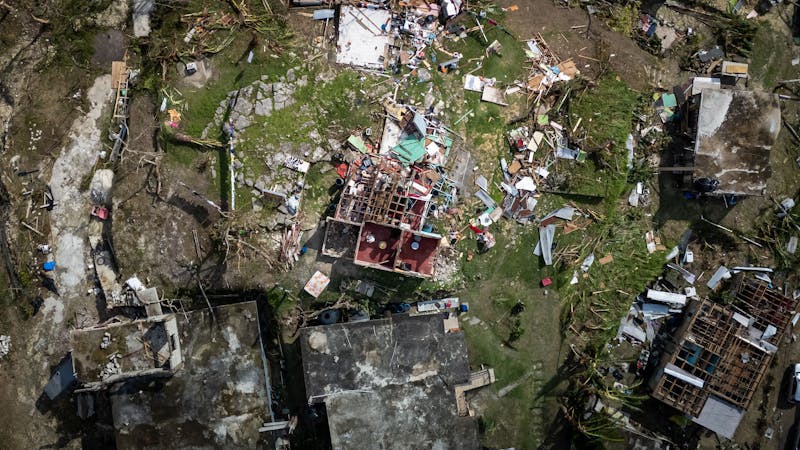
When a storm damages your roof, you may think your insurance company will pay to replace it.
But in 2026, some homeowners may be surprised to learn that their policy may not cover the full cost of a new roof.
A new federal update now allows Fannie Mae and Freddie Mac to accept certain homeowners' insurance policies that cover roofs using Actual Cash Value, also called ACV. This can make insurance premiums cheaper, but it may also leave homeowners paying more out of pocket after hail, wind, or hurricane damage.
So, what does this mean for you?
What Changed in 2026?
In March 2026, the Federal Housing Finance Agency announced that Fannie Mae and Freddie Mac would allow roof coverage based on Actual Cash Value for certain homes and condos.
Before this, many homeowners were used to policies that covered roof damage based on replacement cost. That means the insurance payment was closer to what it would actually cost to replace the damaged roof.
Now, some policies may cover the roof differently.
The rest of the home may still need replacement cost coverage, but the roof may be treated separately. That is important because the roof is one of the most expensive parts of a home to repair or replace.
What Is Replacement Cost Coverage?
Replacement cost coverage means the insurance company looks at what it would cost to replace the damaged roof with a similar roof.
For example, if a storm damages your roof and it costs $20,000 to replace it, replacement cost coverage may help cover that full amount, depending on your deductible and policy terms.
This does not mean the insurance company will automatically pay everything. There may still be disputes over damage, pricing, materials, deductibles, and policy limits.
But in general, replacement cost coverage is usually better for homeowners because it focuses more on the cost to replace the damaged property.
What Is Actual Cash Value Coverage?
Actual Cash Value, or ACV, is different.
ACV usually means the insurance company subtracts depreciation from the value of your roof.
Depreciation means the roof lost value over time because of age, wear and tear, weather, and normal use.
So if your roof is older, the insurance company may say it is worth much less than the cost of a new roof.
For example:
Your roof replacement may cost $20,000.
But your insurance company may say your old roof is only worth $9,000 after depreciation.
Then, after your deductible, your payment may be even lower.
That means you could be left paying thousands of dollars yourself.
Why This Matters After Hail, Wind, or Hurricane Damage
Roof damage is common after storms. Hail can crack or bruise shingles. Strong winds can lift or tear roofing materials. Hurricanes can cause serious roof damage from wind, rain, and flying debris.
Many homeowners do not find out how their roof is covered until after the damage happens.
That can be a big problem.
You may file a claim expecting help with a full roof replacement, only to receive a much smaller payment than expected.
This can feel confusing and frustrating, especially if a contractor says your roof needs to be replaced, but your insurance check is not enough to cover the work.
A Lower Insurance Payment Does Not Always Mean the Claim Was Handled Correctly
It is important to understand this: not every low insurance payment is automatically wrong.
Sometimes, a lower payment happens because the policy truly covers the roof at Actual Cash Value.
But sometimes, the insurance company may still make mistakes.
For example, the insurance company may:
- Miss storm damage during the inspection
- Say the damage is old when it is actually storm-related
- Use a repair estimate that is too low
- Apply too much depreciation
- Ignore matching issues
- Leave out code upgrades
- Deny part of the claim without a clear reason
- Say the roof can be repaired when replacement may be needed
That is why homeowners should not just accept a low payment without reviewing the details.
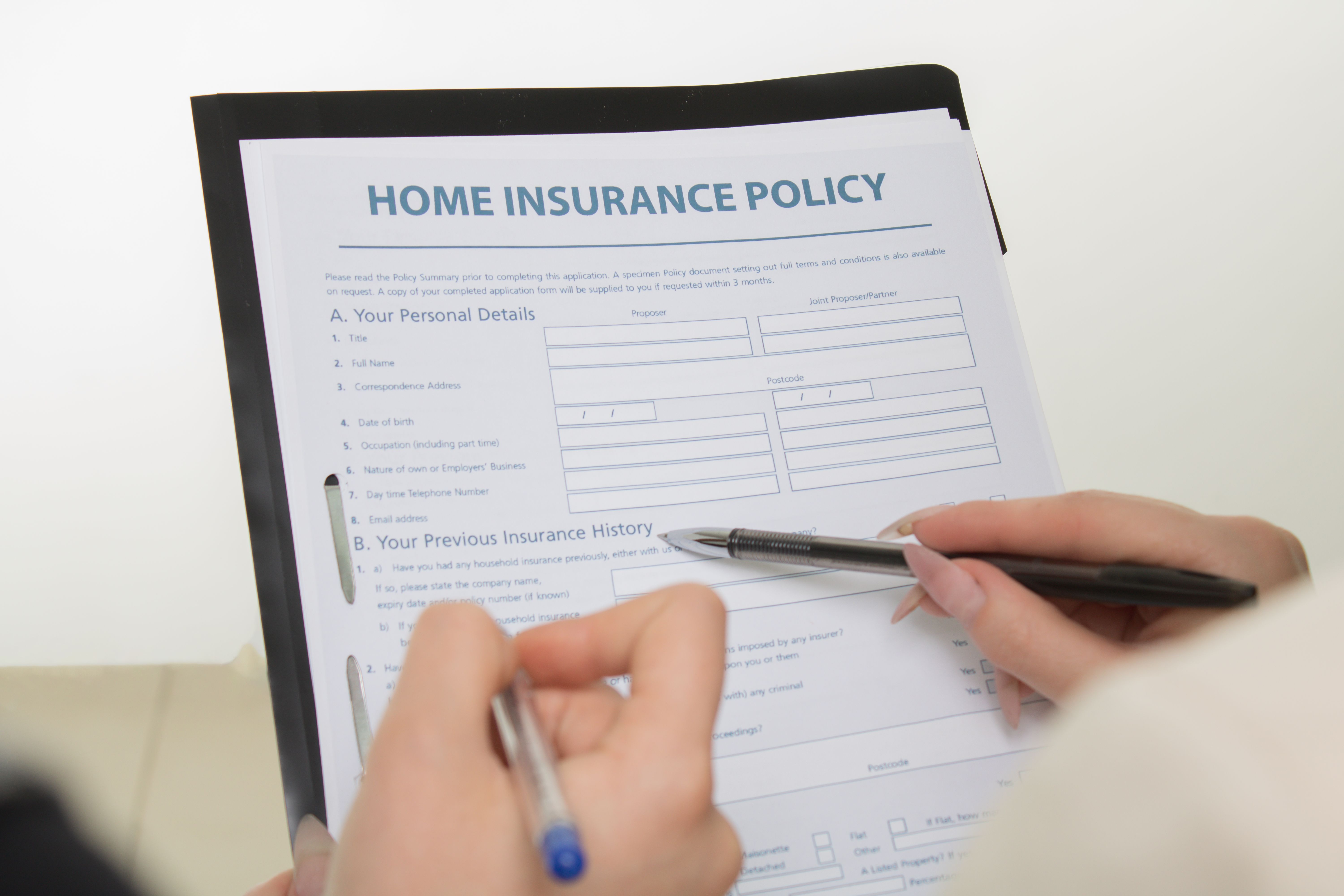
What Homeowners Should Look for in Their Policy
After a storm, it is a good idea to look at your insurance policy carefully.
Some important terms to check include:
Actual Cash Value
This may mean your roof payment will be reduced because of depreciation.
Replacement Cost Value
This may mean your policy provides coverage closer to the cost to replace the roof, depending on the policy.
Roof Schedule
Some policies have special rules for roof coverage based on the age or type of roof.
Depreciation
This is the amount the insurance company subtracts because of age, condition, or wear.
Recoverable Depreciation
Some policies allow you to recover part of the depreciation after repairs are completed. Other policies may not.
Cosmetic Damage Exclusion
This may limit coverage if the insurance company says the damage only affects how the roof looks, not how it functions.
These words can make a big difference in how much money you receive after a claim.
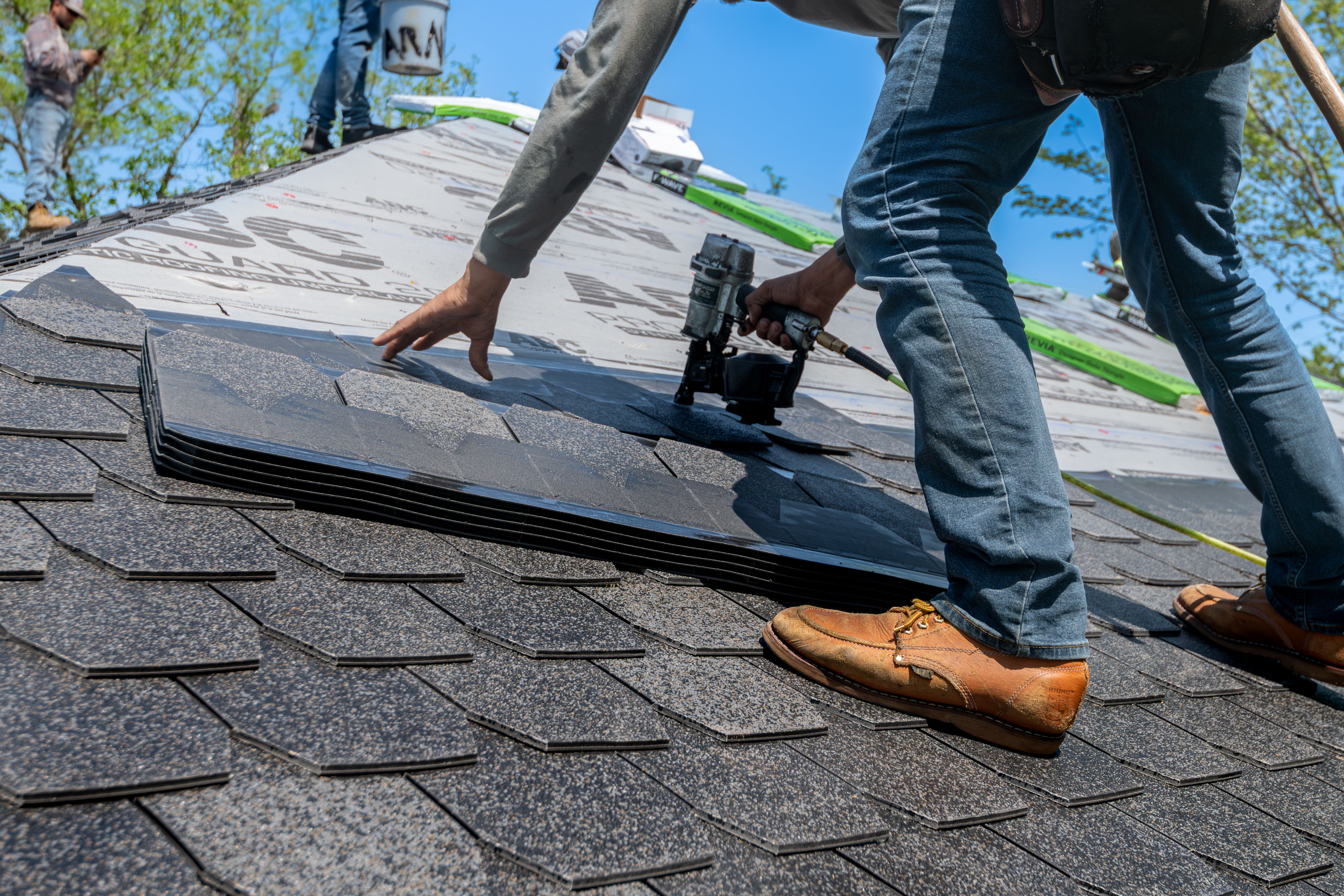
Why Homeowners Should Document Roof Damage Early
After a storm, take the damage seriously.
Even if the roof does not look destroyed from the ground, there could still be damage that needs to be inspected.
Homeowners should consider taking photos, saving repair estimates, keeping receipts, and writing down the date of the storm.
It may also help to have a qualified roofer or public adjuster inspect the property.
The goal is to understand what happened before making decisions about the claim.
When Should You Question the Insurance Company’s Decision?
You may want to take a closer look at your claim if:
- Your insurance payment is much lower than the contractor’s estimate
- The insurance company says there is no storm damage
- The adjuster only approved small repairs
- Your roof was damaged by hail, wind, or hurricane conditions
- The insurer denied the claim because of wear and tear
- The insurer applied depreciation that seems too high
- You do not understand whether your roof is covered by ACV or replacement cost
You do not have to figure it all out alone.
Insurance policies can be hard to read, and roof claims can become complicated quickly.
Do Not Wait Too Long
If your roof was damaged, do not wait to review your options.
Insurance policies often have deadlines. Your policy may also require prompt notice, documentation, and cooperation after a loss.
Waiting too long can make the claim harder to prove.
The earlier you understand your coverage, the better prepared you may be to protect your claim.

Before You Accept a Low Roof Claim Payment
The 2026 change allowing Actual Cash Value roof coverage may lower insurance premiums for some homeowners.
But cheaper coverage can come with a serious tradeoff.
If your roof is damaged by hail, wind, or a hurricane, ACV coverage may leave you with a much smaller insurance payment than expected.
That does not mean every low payment is correct.
If your roof damage claim was denied, delayed, or underpaid, it may be worth having the claim reviewed.
At Vargas Gonzalez Delombard, LLP, we represent policyholders in property insurance disputes. If your insurance company is not paying enough to repair or replace your roof, our team can help you understand your rights and options.