
Severe weather is once again affecting many parts of the United States. This June, powerful storms are bringing large hail, heavy rain, damaging winds, and possible flooding to states like Texas and Colorado. Weather experts say these storms can damage homes, businesses, and vehicles in just a few minutes.
If you live in an area where severe weather is common, now is a good time to prepare. Knowing what to do before and after a storm can help protect your property and make the insurance claims process easier if damage occurs.
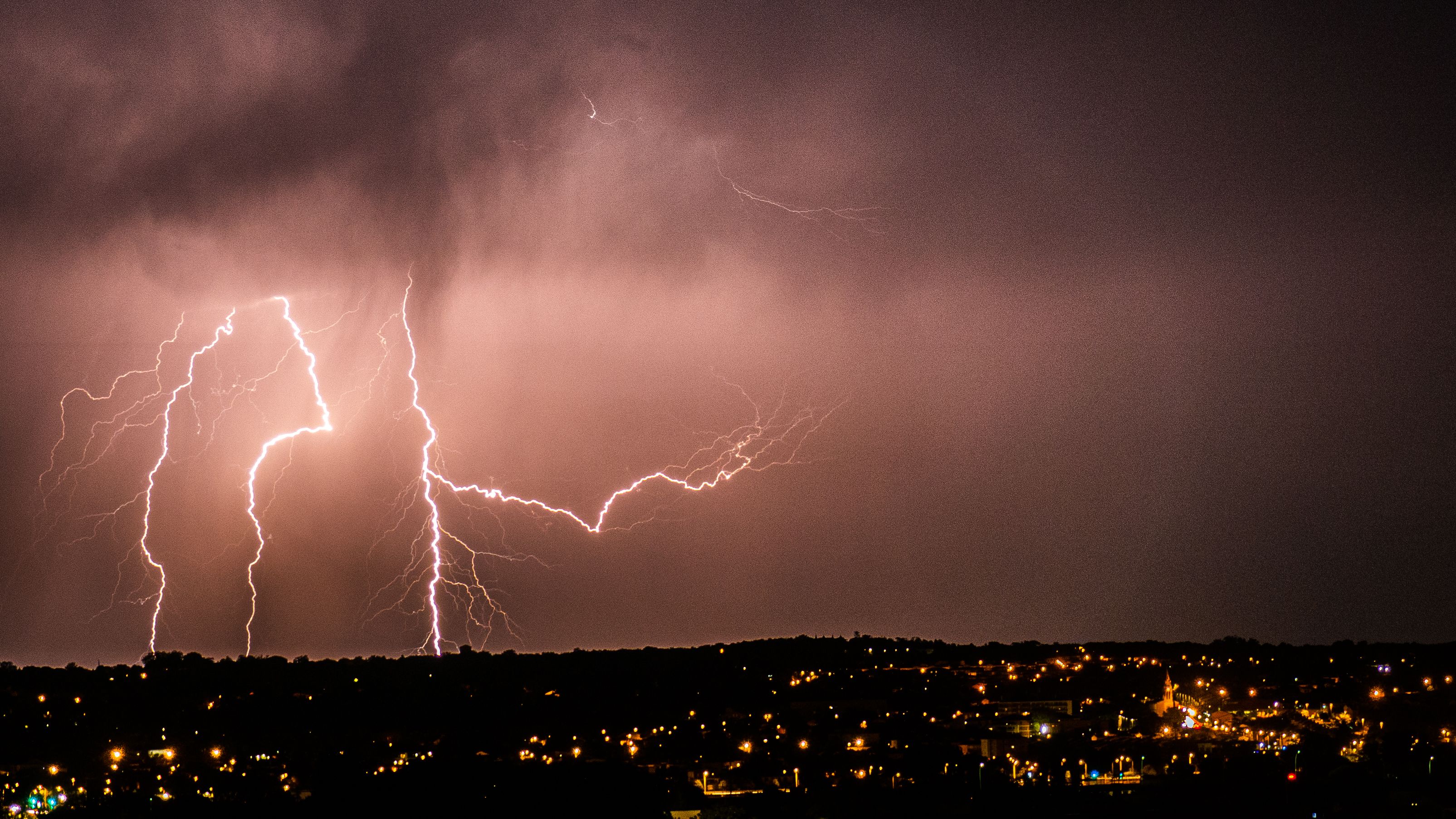
What Is Happening? Severe Weather Brings Large Hail, Damaging Winds, and Flooding to Texas and the Denver Metro
A storm system is moving across parts of the western and central United States this June, bringing a significant storm threat to communities across Texas and Colorado. Colorado is seeing a risk of heavy rain, flash flooding, and large hail, especially across the Denver metro area and the Front Range. At the same time, parts of North Texas, Northeast Texas, Central Texas, and West Texas are expecting severe thunderstorms that could bring damaging winds, hail, and isolated tornadoes.
Texas and the Plains Face the Highest Risk of Severe Storms
The greatest risk is across parts of Texas, Colorado, and the central Plains. Forecasters warn these severe storms may produce golf ball-sized hail, damaging winds, heavy rain, flooding, and isolated tornadoes. Some areas could receive several inches of rain, increasing the flood threat and the chance of flash flooding. Property owners should continue to monitor local forecasts and prepare before storms arrive.
Hail can range from pea-sized to golf ball-sized or even larger. Even small hail can crack windows, dent vehicles, and damage roofs. Strong winds can tear off shingles, break fences, and knock down trees. Heavy rain can also lead to flooding, which may cause serious damage inside homes and businesses.
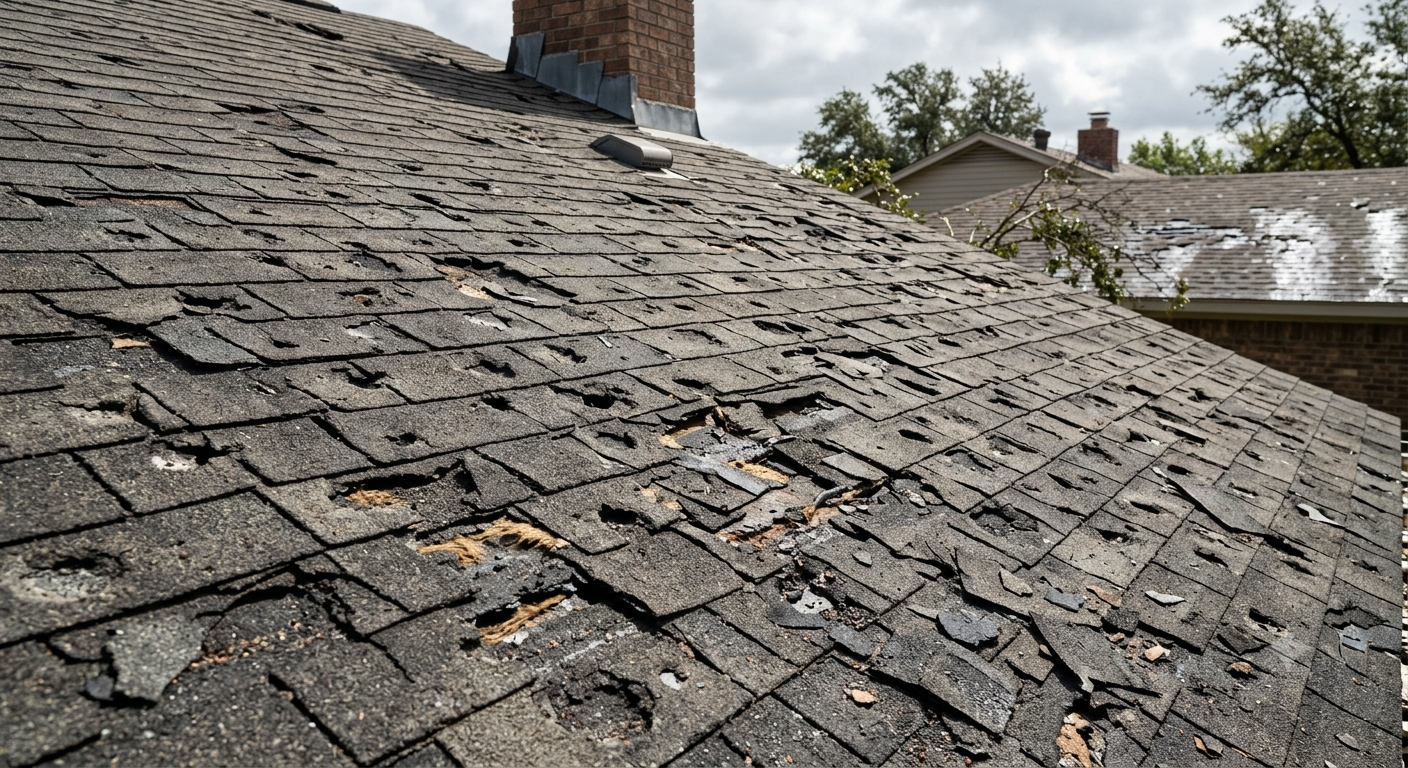
Why Large Hail and Damaging Winds Can Cause Hidden Property Damage
Many people think hail damage is easy to spot, but that's not always true.
A roof may look fine from the ground while hidden damage is slowly getting worse. Hail can loosen shingles, remove protective granules, and create weak spots that allow water to enter your home later.
Denver Metro and the Front Range Could See Flash Flooding and Large Hail
Property owners in the Denver metro area and along Colorado's Front Range may experience a combination of large hail, heavy rain, and localized flash flooding. Some storms may also produce damaging wind gusts capable of damaging roofs, siding, windows, and trees. Even if your property appears undamaged after the storm, hidden roof damage can lead to leaks and costly repairs later.
Water damage often does not appear right away. Weeks or even months later, you may notice:
- Water stains on ceilings
- Roof leaks
- Mold growth
- Damaged insulation
- Warped walls or flooring
Finding damage early can help prevent more expensive repairs.
What Should You Do After Severe Storms?
If a severe storm passes through your area, take a few minutes to inspect your property safely.
Watch for Flooding, Tornadoes, and Other Severe Weather Hazards
Before checking your property, make sure it is safe to go outside. Flooding, downed power lines, debris from damaging wind gusts, and damage caused by tornadoes can create dangerous conditions even after the storm has ended. If your neighborhood is under a flood threat, wait until local officials say it is safe before inspecting your property.
Start by looking for:
- Missing or damaged shingles
- Dents on gutters or metal vents
- Broken windows
- Damaged siding
- Fallen tree branches
- Water entering your home
- Damage to fences or outdoor equipment
Take photos of anything that looks damaged. Pictures can be helpful if you need to file an insurance claim.
Remember, never climb onto your roof yourself after a storm. Roofs may be slippery or unsafe. Instead, have a qualified roofing professional inspect it.
Dangerous Heat Can Make Storm Recovery More Difficult
After severe storms move through, many areas may continue to experience dangerous heat. High temperatures can make cleanup more difficult and may cause water damage or mold to spread faster if repairs are delayed. If your property has been damaged, document it as soon as it is safe to do so and begin the insurance claims process promptly.
Don't Wait Too Long
Some property owners wait because they do not notice any leaks right away.
Unfortunately, waiting can make things worse.
A small roof problem today can turn into major water damage after the next rainstorm. Repairs may become more expensive, and insurance companies may question whether the damage came from the storm or from normal wear and tear.
Reporting storm damage quickly gives you a better chance of documenting what happened while the evidence is still fresh.

Review Your Insurance Policy
Many homeowners and business owners are not sure what their insurance policy covers until they have to file a claim.
Depending on your policy, you may have coverage for:
- Hail damage
- Wind damage
- Water damage caused by the storm
- Fallen trees
- Damage to your roof or exterior
Every policy is different. Reading your policy before disaster strikes can help you understand your coverage and avoid surprises.
What If Your Insurance Company Denies or Underpays Your Claim?
Insurance companies do not always agree with the amount of damage.
Sometimes they may:
- Deny the claim completely.
- Say the damage was caused by normal wear and tear.
- Offer less money than it will actually cost to repair your property.
- Delay the claim for weeks or months.
If you believe your claim was unfairly denied, delayed, or underpaid, you have options.
Keeping records, saving photos, and documenting repairs can help support your claim.
Stay Prepared During June's Severe Weather Season
June often brings an increased chance of severe weather across Texas and Colorado. Whether you live in North Texas, Northeast Texas, Central Texas, West Texas, or the Denver metro area, taking simple steps before a storm can help protect your property and make recovering from damage easier.

How Vargas Gonzalez Delombard, LLP Can Help
Storm damage can be stressful. You should be focused on repairing your property, not fighting with your insurance company.
At Vargas Gonzalez Delombard, LLP, we help homeowners, business owners, condominium associations, and commercial property owners who are dealing with property insurance claims.
If your insurance company has denied, delayed, or underpaid your claim, our team can review your situation and explain your legal options.
Stay Prepared This Storm Season
Severe weather can happen quickly, but preparing ahead of time can make a big difference.
Here are a few simple tips:
- Secure outdoor furniture before storms arrive.
- Trim tree branches near your home.
- Take photos of your property before storm season.
- Keep important documents in a safe place.
- Review your insurance policy every year.
- Inspect your property after every major storm.
Storms are unpredictable, but being prepared can help you recover faster.
If your property has been damaged by hail, wind, heavy rain, or flooding and you're having trouble with your insurance claim, Vargas Gonzalez Delombard, LLP is here to help. Contact our team today to discuss your situation and learn about your legal options.