Severe storms hit parts of Texas and Missouri in late April 2026. These storms were strong and dangerous. In North Texas, tornadoes reached up to 135 miles per hour. Sadly, at least two people lost their lives, and many others were hurt. Some families had to leave their homes.
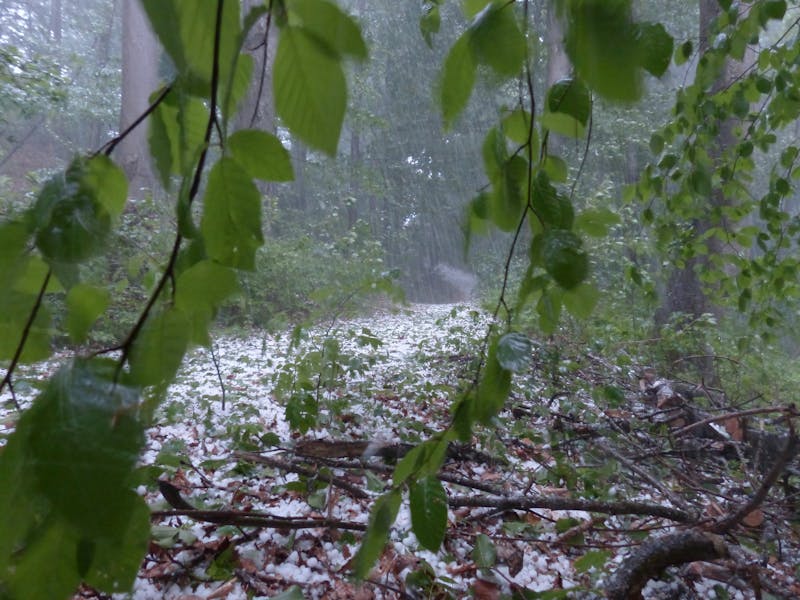
At the same time, large hail fell across both states. In some areas, the hail was as big as tennis balls. In Springfield, Missouri, hail reached up to 4 to 4.75 inches, about the size of a softball. This caused damage to cars, roofs, and buildings. Even the zoo was affected.
Storms like these can cause serious damage to homeowners. If your home or business is affected, it’s important to act quickly and carefully. Here’s what you should do next.
Understanding the Weather and Hail Damage from Recent Storms
The recent weather pattern brought strong winds, tornadoes, and large hail across multiple states. This type of storm is common in areas like Texas and Missouri, where changing weather data shows frequent severe storm activity.
Hail can damage roofs, siding, and windows. Tornadoes can cause even more serious destruction. Knowing what kind of damage to look for can help you take the right steps.
What to Do After the Hailstorms
1. Stay Safe First After Severe Weather
Your safety comes first. Do not rush outside during or right after the storm.
Wait until:
- The storm has fully passed
- There are no more warnings in your area
Once it is safe:
- Walk around your home from the ground
- Look for damage like dents, broken shingles, or cracks
Do not climb onto your roof. It may be slippery or weak after hail hits. This can be dangerous.
2. Document Hail and Storm Damage Properly
One of the most important steps is to document the damage.
Take clear photos and videos of:
- Your roof (from the ground if possible)
- Gutters and siding
- Windows and doors
- Any damage inside your home
Also:
- Write down the date of the storm
- Note how big the hail was if you know
This helps show what happened and when. It can make a big difference when you file a claim.
3. Keep Records Based on Weather Damage Evidence
After a storm, you may need to make small repairs right away.
For example:
- Cover a hole in the roof
- Board up broken windows
- Clean up water inside
If you do this:
- Save all receipts
- Write down what you fixed
- Insurance may pay you back for these costs.
Also, do not throw away damaged items yet. Your insurance company may need to see them.
4. Prevent More Hail Damage from Getting Worse
Storm damage can get worse if you don’t act quickly.
Take steps to protect your home:
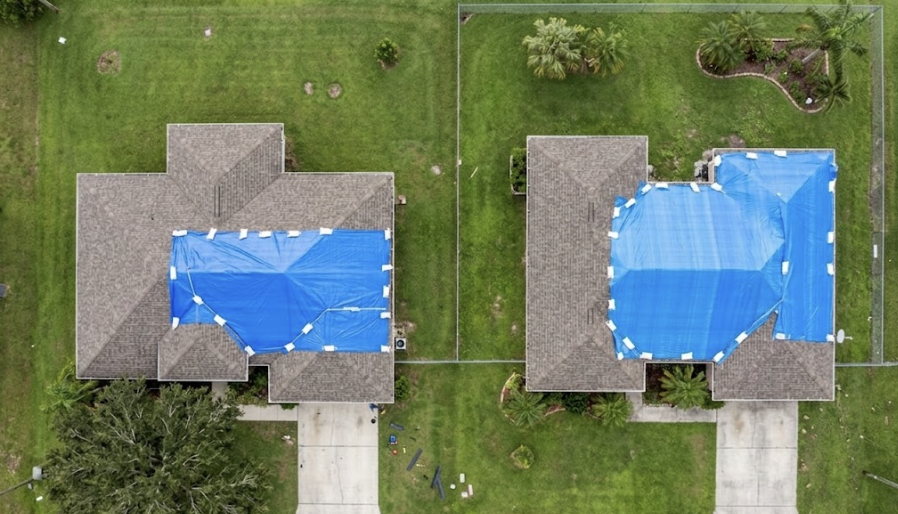
- Put a tarp over roof damage
- Move items away from leaks
- Place buckets under dripping water
These small steps can prevent bigger problems like mold or structural damage later.
5. Contact Your Insurance Company After Hail or Tornado Damage
You should contact your insurance company as soon as you can.
Tell them:
- When the storm happened
- What damage you see
The sooner you file a claim, the better.
Also:
- Ask about your deductible
- Ask what your policy covers
Some policies have special rules for hail damage.
Keep track of:
- Who you speak with
- What they tell you
Write everything down. This helps if there are problems later with hail claims.
6. Be Careful with Storm Contractors After Severe Weather
After big storms, many contractors go door-to-door offering help.
Be careful.
Watch out for:
- People who pressure you to sign quickly
- Anyone who says they will “cover your deductible”
- Companies with no reviews or local presence
Instead:
- Get at least 2–3 estimates
- Check reviews and licenses
- Take your time before signing anything
You don’t need to rush. Making the wrong choice can cost you more.
7. Get a Professional Inspection for Hail Damage
Hail damage is not always easy to see.
Even if your roof looks okay:
- There may be hidden damage
- Shingles may be weakened
- Leaks may show up later
A professional can:
- Inspect your roof safely
- Take detailed photos
- Help explain the damage
This can also help support your insurance claim.
8. Monitor Hidden Damage After Severe Weather Events
Some damage doesn’t show up right away.
Over time, you may notice:
- Water stains on ceilings
- Leaks after rain
- Mold or smells
Hail can damage your roof in ways you can’t see at first. That’s why it’s important to keep checking your home after the storm.
Also, don’t wait too long.
In some places:
- You may only have 30–60 days to report damage
- Acting early helps protect your claim.
9. Use Official Resources and Weather Data Support
If you feel confused or overwhelmed, you’re not alone.
There are resources to help:
- State insurance departments
- Consumer hotlines
- Online guides
These can answer questions and help you understand your rights.
10. Plan Ahead for Future Hail and Weather Events
After a storm, it’s a good time to think ahead.
You may want to:
- Upgrade to impact-resistant shingles
- Review your insurance policy
- Make sure you have the right coverage
Some materials can reduce hail damage by up to 90%.
Also, places like Missouri are in an area called “Hail Alley,” where storms like this happen often.
Being prepared can make a big difference next time.
Why Acting Early Matters After Tornadoes and Hail
After a storm, time matters.
If you wait too long:
- Damage can get worse
- Evidence can disappear
- Claims can become harder
Taking the right steps early can:
- Help your claim go smoother
- Prevent extra damage
- Protect your home and finances
How much hail damage is considered totaled?
There is no exact number, but a roof or property may be considered “totaled” when the damage is widespread and affects the entire structure. For example:
- Many shingles are cracked, missing, or bruised
- There are dents across large areas of the roof, gutters, and siding
- Repairs would cost almost as much as a full replacement
In these cases, insurance may approve a full roof replacement instead of small repairs.
Is it worth claiming hail on insurance?
It can be worth it, especially if the damage is serious.
You may want to file a claim if:
- The damage is more than your deductible
- There are signs of roof damage or leaks
- Repairs will be expensive
However, if the damage is small, some homeowners choose to pay out of pocket to avoid possible premium increases.
Every situation is different, which is why it can help to review your options before filing.

Get a Free Claim Review Before You File
If your property was damaged in the recent Texas or Missouri hailstorms, it may help to get guidance before moving forward.
At Vargas Gonzalez Delombard, LLP, we help property owners understand their options when dealing with insurance claims.
Get a Free Claim Review Before You File
A quick review can help you avoid mistakes and make sure your claim is handled the right way.