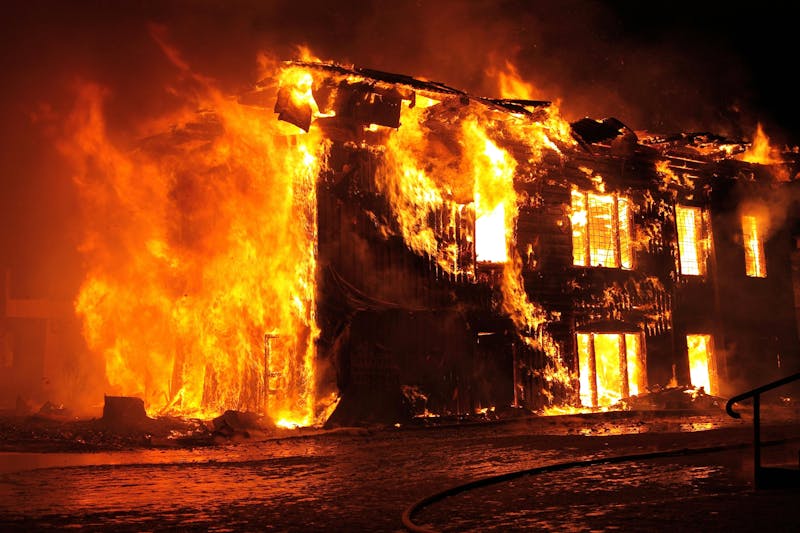
Lithium-ion batteries are everywhere today. They power residential energy systems, commercial buildings, and solar battery storage systems. These batteries help make life easier, but when battery failure happens, the results can be dangerous and expensive.
Battery-related fires are becoming more common across the world. Reports show that publicly reported battery fires at U.S. waste and recycling facilities increased by 26% between 2016-2021 and 2022-2025. In 2025 alone, there were 448 reported battery fires. In the United Kingdom, fire services responded to about 1,330 lithium-ion battery fires in 2024.
These fires are not like normal fires. Lithium-ion batteries can suddenly overheat and explode through a process called “thermal runaway.” Once that happens, the fire can spread quickly, release toxic smoke, and even restart after being put out.
For insurance companies, investigators, property owners, and the local fire department, these fires create major challenges. Determining what caused the fire, preserving evidence, and understanding insurance coverage often becomes complicated. As more homes and commercial buildings rely on battery-powered systems, these claims are expected to continue growing
The Rise of Lithium-Ion Battery Fire Claims
The number of lithium-ion battery fire claims has increased because more people use battery-powered products every day. E-bikes, electric scooters, cordless tools, solar battery systems, and electric vehicles are now common in homes, apartments, warehouses, and businesses.
When these batteries fail, fires can grow very fast. Lithium-ion batteries contain flammable electrolytes and large amounts of stored energy. If the battery becomes damaged, overheated, or defective, it can enter thermal runaway. During thermal runaway, the battery creates extreme heat and releases flammable gases that can spread fire to nearby materials.
Many of these fires happen while devices are charging. Using the wrong charger, overcharging a battery, or charging damaged batteries can increase the risk of ignition.
These fires often lead to expensive insurance claims because the damage can be very serious. Fires spread quickly, thick smoke damages nearby property, and toxic residue can contaminate entire structures. In many cases, homes or businesses suffer major structural damage or become total losses.
Why Lithium-Ion Battery Cases Are Becoming a Bigger Insurance and Property Issue
Lithium-ion batteries are creating more insurance and property damage cases across the country. As more homes and commercial buildings rely on battery-powered energy systems, investigators and insurance companies are seeing a rise in fire-related claims involving lithium-ion batteries and solar energy storage systems.
These battery fire cases often involve serious property damage because lithium-ion batteries can burn hotter and faster than many traditional fires. In some situations, the fire can restart even after firefighters believe it has been extinguished. This creates additional risks for homeowners, commercial property owners, insurance carriers, and investigators trying to determine the exact cause of the loss.
Arguments about insurance coverage are also becoming more common in lithium-ion battery cases involving residential and commercial properties. Questions often arise about whether the property owner properly disclosed battery systems, whether safety protections were in place, and whether policy exclusions may apply. Some insurance companies are also increasing safety requirements for buildings that use or store lithium-ion battery systems, especially solar battery storage equipment.
As lithium-ion batteries continue to power residential energy systems, commercial buildings, and solar storage technology, property owners and insurance professionals should understand the growing risks tied to these cases. Early investigation, proper evidence preservation, and careful documentation can make a major difference in both insurance recovery and potential legal claims.
Forensic Investigation: Getting to the Truth
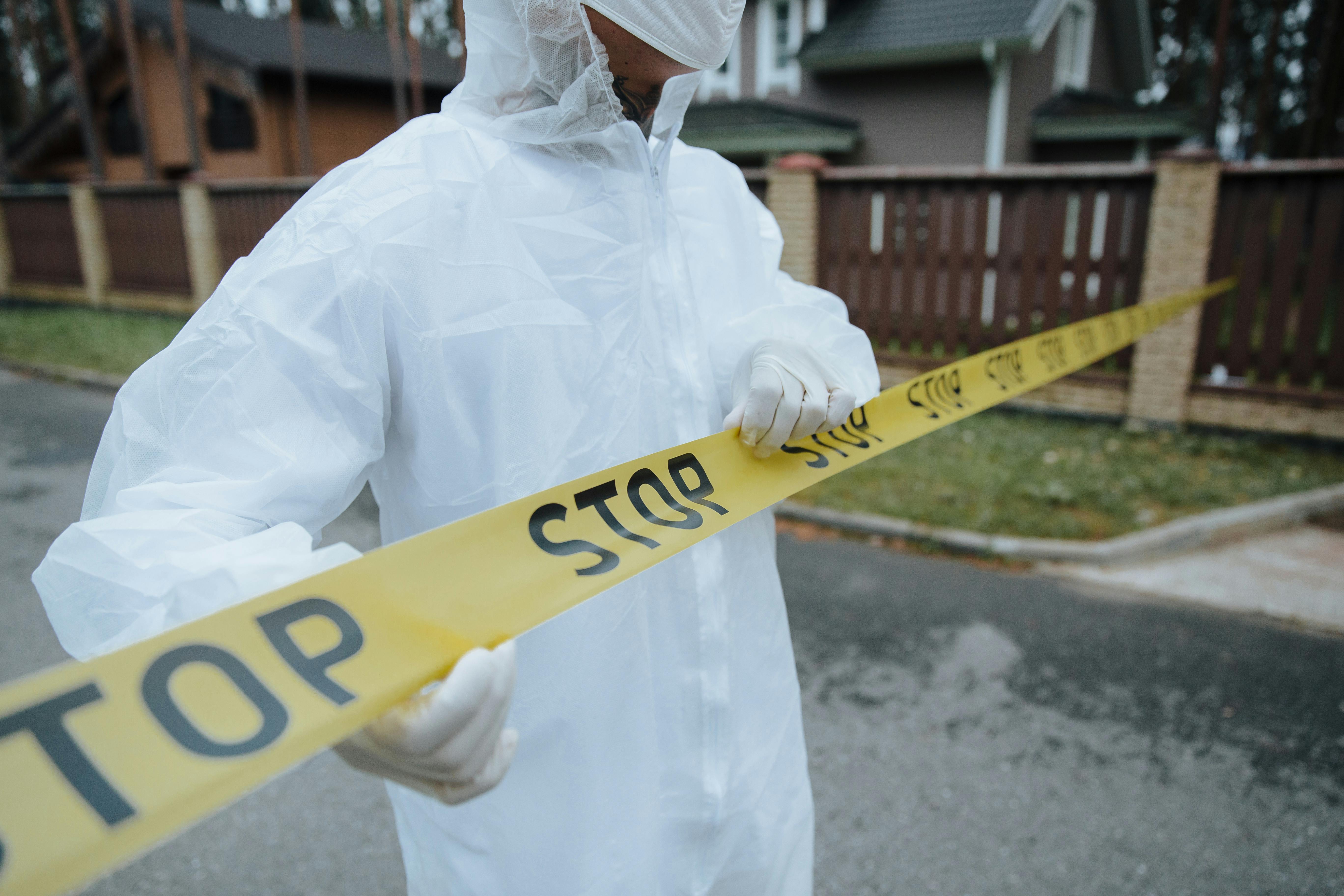
Investigating lithium-ion battery fires requires special knowledge and careful evidence handling.
There are several warning signs investigators look for when examining battery-related fires. These include bulging batteries, hissing sounds, popping noises, swelling, smoke, or rapid increases in temperature before the fire started.
One of the biggest challenges is determining the difference between the fire’s origin and its cause. In many cases, batteries found at the scene may appear badly damaged even if they were not the actual source of ignition. Investigators must determine whether battery failure caused the fire or whether the batteries were damaged by a fire started somewhere else.
There are many possible contributing factors investigators must consider, including:
- Manufacturing defects
- Improper charging
- Using incompatible chargers
- Mechanical damage
- Environmental conditions such as heat exposure
- Counterfeit or modified batteries
Because these fires can lead to lawsuits and insurance disputes, evidence preservation is extremely important. The battery, charger, and damaged device should never be thrown away too early. Investigators should photograph the scene carefully, document burn patterns, and preserve missing or damaged battery cells.
Experts should also become involved as early as possible. Fire investigators, electrical engineers, product experts, and the local fire department often work together to determine what happened.
In some cases, live burn testing and laboratory analysis may be needed to determine whether the fire resulted from a product defect or outside factors.
Coverage Considerations for Lithium Battery Fires
Most property insurance policies cover fire damage, including fires caused by lithium-ion batteries. However, coverage is not always simple.
Insurance companies may require homeowners or businesses to disclose battery systems or charging equipment. Some insurers also require certain safety protections to reduce fire risks.
There may also be policy exclusions or limitations that affect coverage. Common examples include:
- Wear and tear exclusions
- Mechanical breakdown exclusions
- Pollution or contamination exclusions
- Ordinance or law exclusions
- Product recall or replacement exclusions
Special endorsements may help fill coverage gaps. For example, equipment breakdown coverage may apply to battery energy storage systems or solar battery equipment. In some cases, claims may also involve questions related to general liability exposure connected to battery-related fires or property damage.
Insurance companies are also becoming stricter about battery-related risks. Some insurers now require engineered safety controls, including:
- Proper battery storage areas
- Separation from flammable materials
- Off-gassing detection systems
- Specialized fire suppression systems
If these protections are not in place, coverage disputes may happen after a loss.
Subrogation and Third-Party Recovery
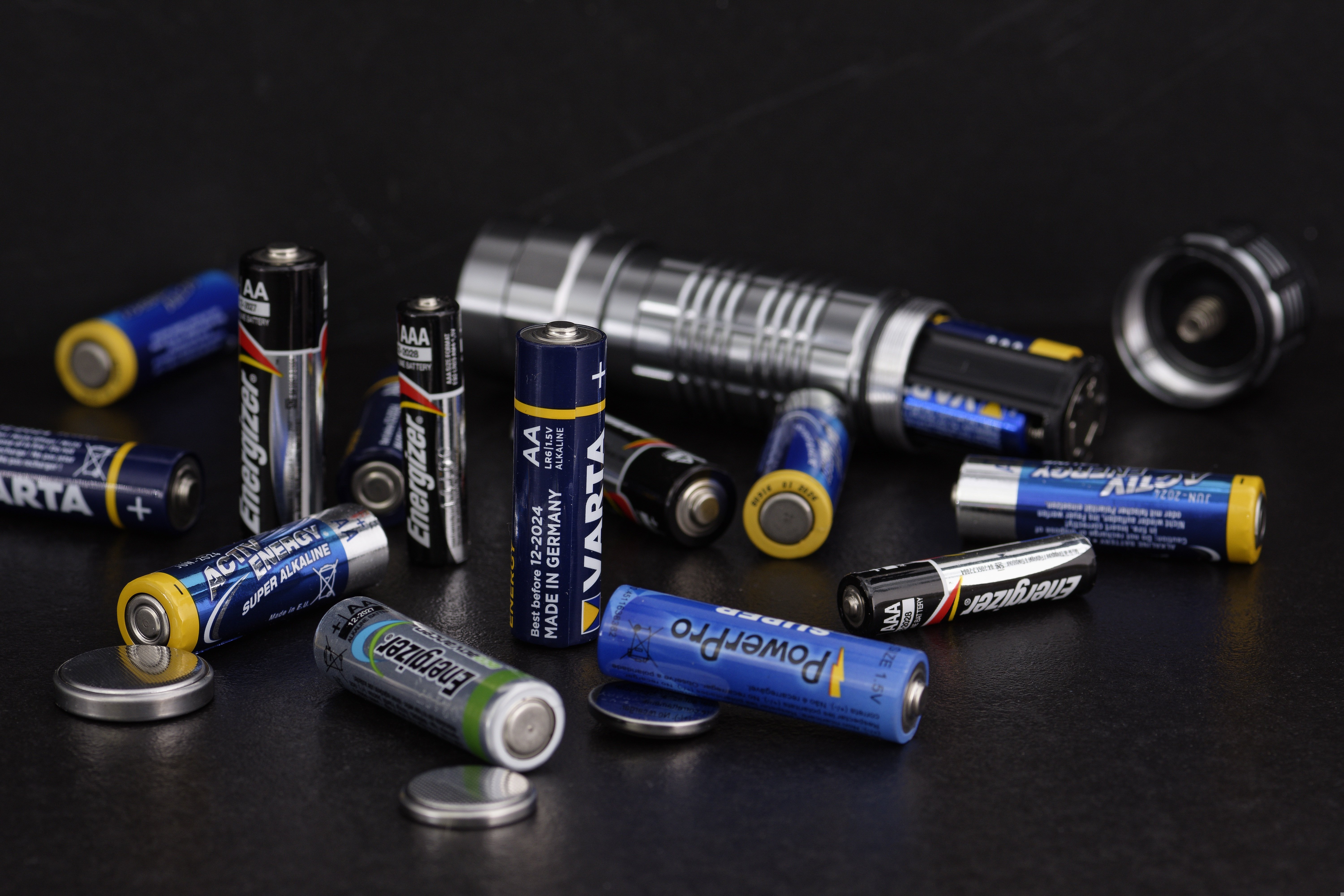
Lithium-ion battery fires often lead to subrogation investigations and product liability claims.
Potentially responsible parties may include:
- Battery manufacturers
- Device manufacturers
- Distributors
- Sellers
- Charger manufacturers
If the fire was caused by a defective product, improper warnings, or unsafe design, legal claims may arise against these parties.
Saving evidence is critical in these cases. Without the battery, charger, or damaged device, it may become difficult to prove what caused the fire.
These cases can become even more complicated when batteries have been modified or replaced with third-party products. Investigators may need to trace supply chains and examine whether aftermarket products contributed to the loss.
There may also be legal challenges involving warranty limitations, disclaimers, or filing deadlines. Early coordination between first-party insurance claims and third-party recovery efforts can help maximize recovery opportunities.
Real-World Scenarios and Emerging Trends
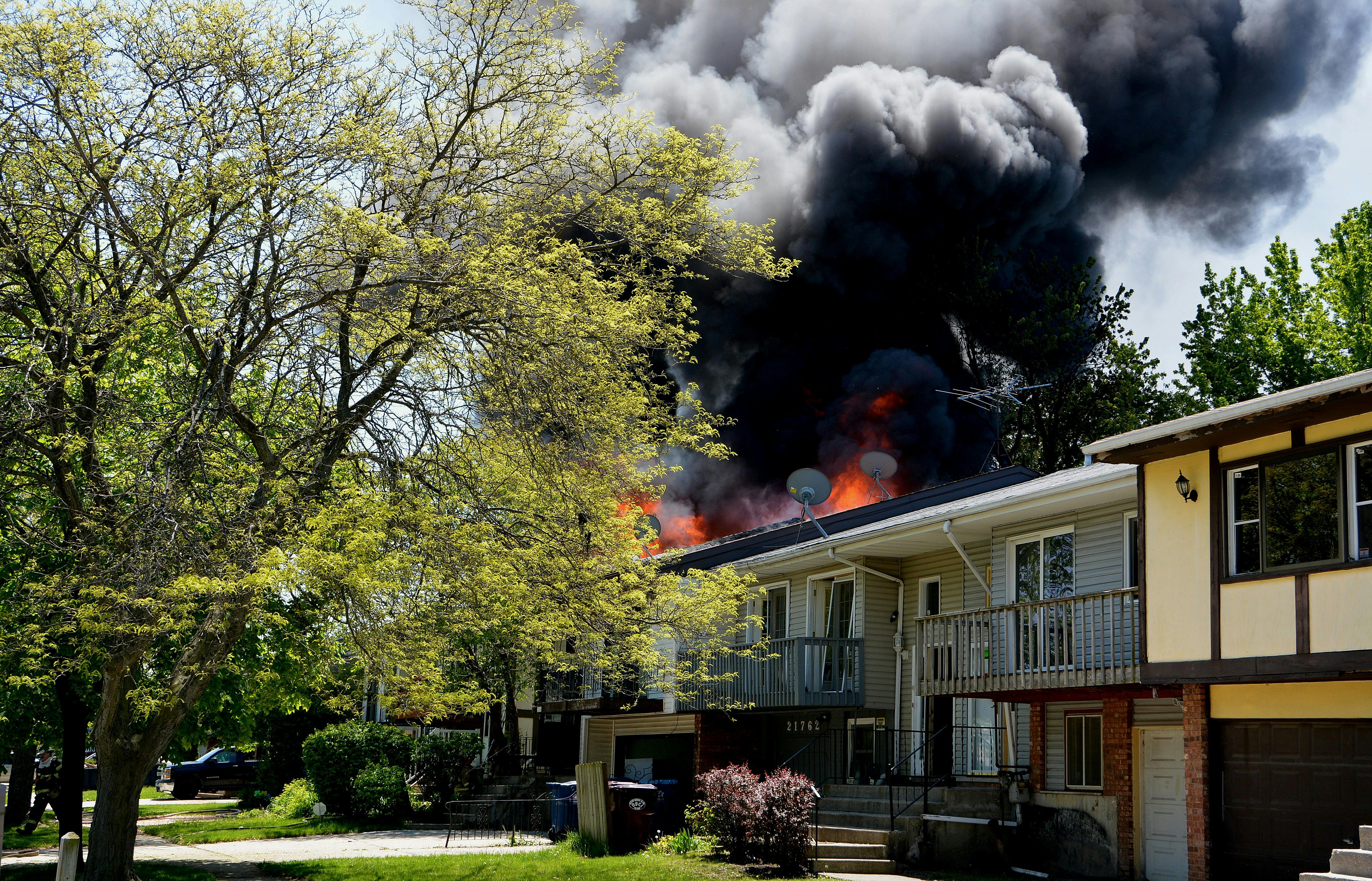
Real-world lithium-ion battery fire incidents continue to increase.
E-bike fires inside residential buildings have become a growing problem in major cities. Some fires have been linked to counterfeit batteries, damaged charging systems, or off-brand chargers.
Battery energy storage system fires are also receiving more attention. Large battery systems used for solar power and energy storage create new risks for homes, warehouses, and industrial properties.
Governments and regulators are beginning to respond. New York City passed Local Law 39, which requires certain e-bike batteries and charging devices to meet safety certification standards.
Insurance companies are seeing more severe claims as these fires increase. One insurer, Suncorp, reported that claims over $500,000 involving lithium-ion battery fires doubled from 9% to 18% between 2023 and 2025.
Practical Takeaways for Claims Professionals
Claims professionals should identify possible battery-related fires as early as possible. Proper investigation and documentation are extremely important.
Some important coverage questions include:
- Did the insured disclose battery systems?
- Were proper safety protections installed?
- Do endorsements apply?
- Were charging or storage requirements followed?
Coverage counsel and subrogation specialists should become involved early when there are signs of product defects or complicated coverage issues.
Strong claim files start with proper evidence preservation. Investigators should document all damage, preserve the battery and charger, track repair costs, and collect photographs and witness statements immediately after the loss.

About Vargas Gonzalez Delombard
Vargas Gonzalez Delombard helps property owners handle complex fire loss claims, including lithium-ion battery fire losses. The firm works to document damages, investigate coverage issues, negotiate with insurance companies, and pursue litigation when necessary.
Because these fires often involve complicated forensic investigations and insurance disputes, early legal guidance can help protect important evidence and maximize recovery.
If your property has been damaged by a lithium-ion battery fire, contact Vargas Gonzalez Delombard for a free consultation to learn more about your legal options.