
More Florida homeowners are coming forward and saying they were pressured into signing solar panel contracts they did not fully understand. Many of these homeowners are seniors who believed solar power would lower their electric bills. Instead, some say they ended up with large loans, broken promises, and monthly payments they cannot afford.
A recent report shared the stories of Florida seniors who signed long-term residential solar agreements after door-to-door sales visits. Some homeowners said they were told their electric bills would almost disappear. But after installation, they still had power bills on top of expensive solar loan payments.
Attorney Michael A. Ortiz of Vargas Gonzalez Delombard, LLP explained one of the biggest problems many consumers face:
“Consumers are often told their electric bill will essentially disappear, but after installation they find themselves paying both a large solar loan and a continuing utility bill that is much higher than expected.”
For many families, this creates financial stress that can last for decades.
Why Some Florida Homeowners Feel Trapped
Solar panels are not automatically a scam. Many companies install solar systems correctly and honestly. The problem happens when salespeople use misleading information, high-pressure tactics, or contracts that homeowners do not fully understand.
According to reports, some Florida seniors signed contracts lasting 20 to 25 years. One homeowner reportedly took out a $42,000 loan for solar panels and later saw his electric bills rise nearly 75%. Another homeowner’s monthly costs reportedly increased from about $127 to $250.
In some situations, the solar company later filed for bankruptcy or stopped responding to customers. Some companies in the industry have even sought chapter 11 bankruptcy protection, leaving homeowners confused about warranties, service, and financing obligations.
This left homeowners stuck making payments on systems that were not working properly or were never completed.
Some homeowners also discovered liens attached to their homes, making it difficult to refinance or sell their property.
Solar Companies Facing Bankruptcy Problems
Several solar companies across the country have faced financial trouble in recent years. When a company files for chapter 11 protection, homeowners are often left wondering who will honor warranties, complete repairs, or answer customer service questions.
For many families, this creates a major financial risk, especially if they are still making monthly payments on a damaged or incomplete solar system.
Consumers should remember that even if a company shuts down, there may still be lenders, manufacturers, or warranty providers involved in the agreement.
Common Solar Sales Tactics Consumers Should Watch For
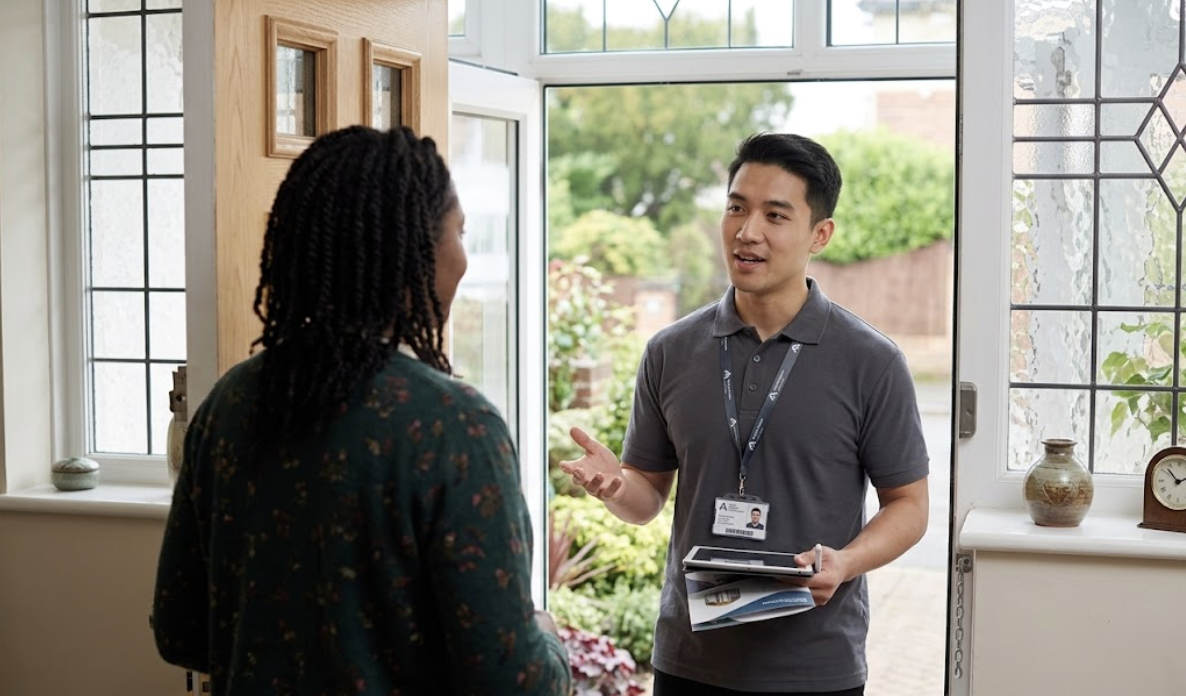
Many complaints involve door-to-door sales representatives. These salespeople often promise huge savings and pressure homeowners to sign quickly.
At Vargas Gonzalez Delombard, LLP, the firm has written about several warning signs consumers should watch for before signing a solar agreement.
Some red flags include:
- Promises that your electric bill will disappear completely
- Pressure to sign “today only” deals
- Claims that the company is connected to the government
- Financing terms that are not clearly explained by the solar finance company
- Verbal promises that do not appear in the contract
- Systems installed without proper permits
- Delays in installation after financing is approved
- Companies refusing to answer questions after the contract is signed
Consumers should also pay close attention to what equipment is being installed. Some systems use products connected to manufacturers like trina solar, and homeowners should make sure they fully understand warranty terms and who is responsible if problems happen later.
Freedom Forever and Other Solar Company Concerns
Some homeowners have also shared online complaints involving companies like Freedom Forever and other large solar providers. Consumers have reported delayed installations, customer service issues, and confusion involving financing agreements.
While not every customer has a negative experience, these stories show why homeowners should carefully research any company before agreeing to install solar panels on their property.
Attorney Michael A. Ortiz encourages consumers to carefully review all contracts and avoid making rushed decisions during sales presentations.

Seniors May Be Especially Vulnerable
Older homeowners are often targeted because they may own their homes, have steady retirement income, or want to lower monthly expenses. Rising electricity costs also make solar offers sound attractive.
The problem is that some seniors are pressured into making fast decisions without enough time to review the paperwork or speak with family members, financial advisors, or attorneys.
Attorney Michael A. Ortiz warned that if the sales process feels rushed or aggressive, consumers should view that as a major warning sign.
Homeowners should never feel forced to sign a contract during a single sales visit.
Risks of Signing a Solar Contract Too Quickly
One major risk many homeowners face is signing long-term agreements without fully understanding the financial impact. Some contracts may last decades and include liens, interest charges, or cancellation of penalties.
Before agreeing to any solar system installation, homeowners should take their time reviewing all paperwork and asking questions.
Consumers should also verify whether the installer, lender, or solar contractors involved have prior lawsuits or customer complaints.
What Homeowners Should Do Before Signing a Solar Contract
Before agreeing to any solar installation, consumers should slow down and carefully review everything.
Here are several important steps homeowners can take:
Get Multiple Quotes
Do not sign with the first company that knocks on your door. Compare pricing, warranties, financing terms, and projected savings from several companies.
Read Every Page of the Contract
Many consumers rely on verbal promises from salespeople. But if the promise is not written in the contract, it may be difficult to enforce later.
Ask Questions About Financing
Consumers should understand:
- The total loan amount
- Interest rates
- Monthly payments
- Whether there is a lien involved
- What happens if they sell the home
Research the Company
Check online reviews, lawsuits, complaints, and licensing information. Consumers should also ask how long the company has been in business.
Ask What Happens if the Company Goes Out of Business
This is a major issue many homeowners now face after several solar companies filed for bankruptcy. Consumers should understand who handles warranties, repairs, and financing obligations if the installer shuts down.
Legal Help May Still Be Available
Some homeowners believe they have no options once a solar company closes or files bankruptcy. However, legal claims may still exist.
Attorney Michael A. Ortiz noted that there are often multiple parties involved in solar transactions beyond the installer itself, including lenders, financing companies, and warranty providers.
That means consumers may still have legal options depending on the facts of their case.
Vargas Gonzalez Delombard, LLP has represented consumers in lawsuits involving alleged deceptive solar practices and has written extensively about solar panel scams, misleading financing, and installation issues.
The firm has also discussed lawsuits involving companies accused of:
- Failing to install systems on time
- Using defective equipment
- Misrepresenting energy savings
- Trapping consumers in long-term contracts
- Failing to obtain permits or complete installations properly
Problems Homeowners Face With Solar Panels
While many systems work properly, some homeowners report issues involving damaged panels, roof leaks, poor installations, or systems that fail to generate the promised energy savings.
Homeowners should carefully document all promises, contracts, and repair requests in case problems develop later.
Understanding the long-term responsibilities connected to a solar system may help consumers avoid future financial problems.

Don’t Rush Into a Long-Term Solar Agreement
Solar energy can be helpful for some homeowners, but consumers should be careful before signing long-term agreements. Door-to-door sales presentations may sound convincing, especially when homeowners are worried about rising electricity bills.
Florida seniors and other consumers should take their time, read contracts carefully, and ask questions before agreeing to financing or installation work.
If something feels rushed, confusing, or too good to be true, it may be a sign to stop and get more information first.
And for homeowners already dealing with unexpected solar loan payments, installation problems, or misleading promises, speaking with an attorney may help them better understand their legal rights and possible options. If you’re interested in a free consultation, please feel free to reach out to us.