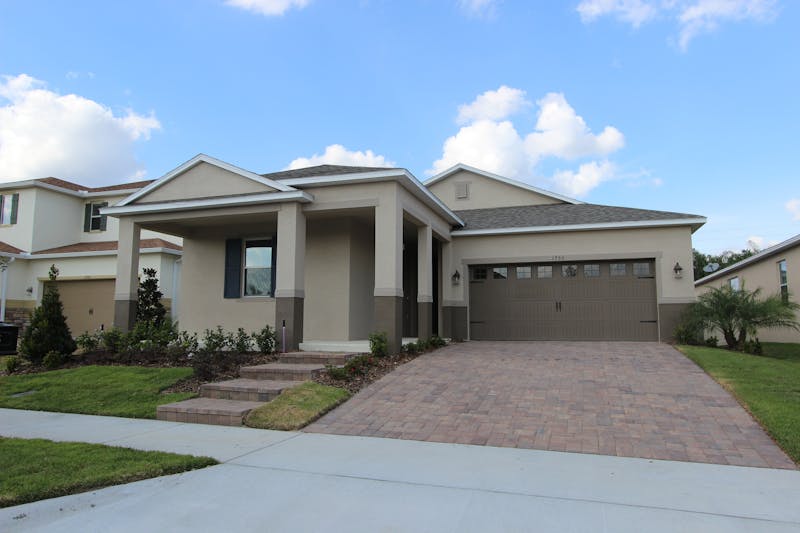
2026 insurance-market update:
Florida law does not require every homeowner to replace a roof once it turns 15 years old. However, recent reporting indicates that some insurers are increasingly using 15 years as an underwriting, eligibility, or pricing benchmark for asphalt-shingle roofs. If your roof is 15 years or older, Florida law generally gives you the opportunity to obtain an authorized inspection showing at least five years of remaining useful life before an insurer can require replacement solely because of the roof’s age.
If you own property in Orlando or anywhere in Florida, you may have heard something like this:
“If your roof is old, you need to replace it.”
But that is not always true.
There is a lot of confusion about roof age and insurance. Many property owners are being told they must replace their roof just because it is a certain number of years old. The truth is, Florida law does not work that way.
The Big Misunderstanding About Roof Age
Many insurance companies focus on the age of your roof. Once your roof reaches around 10 to 15 years old, they may start asking questions. They might ask for an inspection or even suggest replacement.
But here’s the key point:
Florida law says insurance companies cannot deny coverage based only on age (in many situations).
That means your roof being “old” is not enough by itself.
What really matters is the condition of your roof.
What the Law Actually Says
Under Florida law, your roof gets certain protections:
-
If your roof is under 15 years old, insurance companies generally cannot deny or cancel your policy just because of age
-
If your roof is 15 years or older, they can ask for an inspection
-
If an inspection shows your roof still has at least 5 years of life left, they usually cannot deny coverage just for age
This is important.
It means a 16-year-old roof that is still in good shape may still qualify for coverage.
Why This Matters for Property Owners
This issue is becoming more common across Florida. Property owners are having more conversations with insurance companies about their roofs.
Many people assume replacement is required when it is not.
This can lead to:
-
Spending thousands of dollars too early
-
Making repairs that are not needed
-
Feeling pressure from insurance companies
The reality is simple:
Your roof does not need to be new, it needs to be functional.
Inspections Are Now a Big Deal
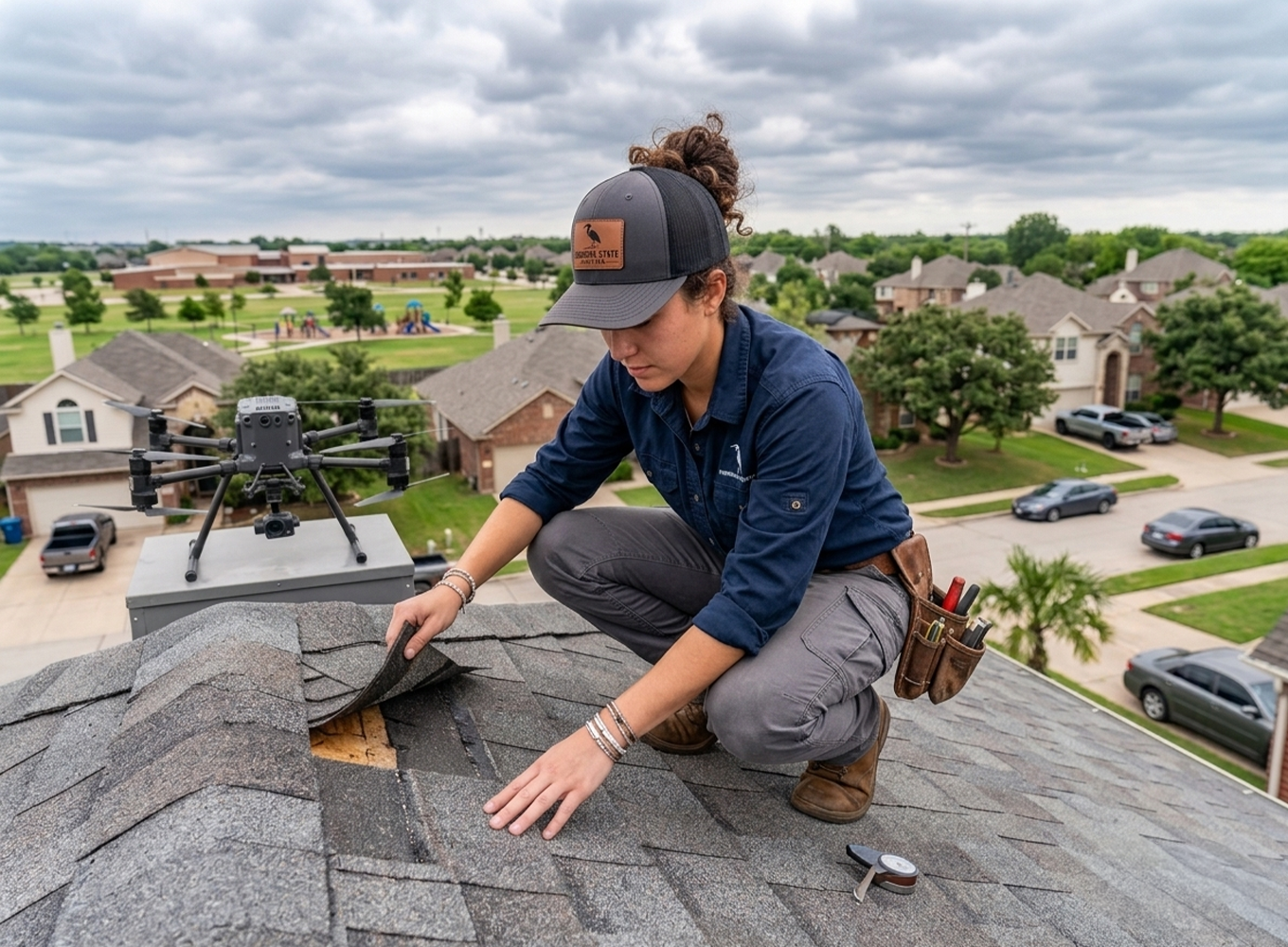
Once your roof gets older, inspections become very important.
Insurance companies may ask:
-
Is the roof damaged?
-
Does it leak?
-
How many years of life are left?
Different professionals can perform inspections, including:
-
Roofing contractors
-
Engineers
-
Inspectors
If they confirm your roof still has life left, that can protect your coverage.
Not All Roofs Age the Same
Another common mistake is treating all roofs the same.
Different materials last different amounts of time:
-
Shingle roofs: about 12–20 years
-
Tile roofs: 50+ years
-
Metal roofs: 40+ years
But some insurance companies still apply similar rules to all roofs.
That is not always fair, and it may not follow the intent of the law.
The Pressure to Replace Roofs
Many property owners feel pushed to replace roofs early.
This can happen because:
-
Insurance companies want to reduce risk
-
Carriers are stricter in Florida
-
Some policies have confusing terms
But here is the truth:
You may not need a full replacement just because your roof is older.
In some cases, repairs or documentation may be enough.
What You Should Do If Your Insurance Company Raises Concerns
If your insurance company says your roof is “too old,” don’t panic.
Take these steps:
1. Ask for a clear reason
Is it age? Condition? Missing documents?
2. Get an inspection
A professional report can make a big difference.
3. Review your policy
Some policies have specific requirements.
4. Don’t rush into replacement
You could spend money you don’t need to spend.
5. Talk to a property damage attorney
This is especially important if your claim is denied or underpaid.
Insurance Companies vs. Property Owners
There is often a gap between what insurance companies want and what the law allows.
Insurance companies may:
-
Push for replacement
-
Delay claims
-
Underpay damages
-
Focus heavily on roof age
But property owners have rights.
And those rights matter, especially after storm damage, hurricanes, or leaks.
How This Connects to Property Damage Claims
Roof issues often come up after:
-
Wind damage
-
Hail
-
Storms
-
Water intrusion
In many cases, insurance companies may argue:
-
“This is wear and tear”
-
“This is due to age”
-
“This is not covered”
But that is not always correct.
Sometimes, real damage is being blamed on “age” to reduce payouts.
That is where legal help can make a difference.
Insurance Eligibility and the Florida Roof Age Rule
Insurance eligibility in Florida often depends on more than just the age of your roof. Under the Florida roof age rule, insurance companies must look at the actual condition of the roof, not just the number of years it has been in place. This means your insurance policy should not be denied simply because your roof is older.
However, during policy renewal, insurance companies may review your roof more closely. They may ask for inspections or documentation to confirm that your roof still meets their standards. Understanding your insurance policy and how it applies during hurricane season is especially important, since risks are higher and carriers may become stricter.
Florida Building Code and Roofing Requirements
The Florida Building Code plays a major role in how roofs are repaired or replaced. These rules are designed to protect property owners, especially during hurricane season when roofs are exposed to strong winds and heavy rain.
Roofers must follow Florida statutes and building code requirements when completing repairs or replacements. This includes using approved roofing material options and making sure the structure meets safety standards. If work is not done properly, it could affect your insurance coverage or future claims.
Roof Repairs vs. Full Replacement
Not every situation requires a full roof replacement. In many cases, roof repairs are enough to extend the life of your roof and maintain insurance eligibility.
Working with experienced roofers can help you understand your roofing needs and whether repairs will meet insurance requirements. Insurance companies may still push for replacement, but proper documentation showing successful roof repairs can help protect your claim and your coverage.
Understanding the 15-Year Roof Rule
The “15-year roof rule” is often misunderstood. Many people believe that once a roof reaches 15 years old, it must be replaced. That is not true.
Under the Florida roof age rule, once your roof reaches 15 years, insurance companies can request an inspection. If the inspection shows at least five years of remaining life, your insurance policy should not be denied based on age alone. This is a key protection under Florida statutes that property owners should understand.
Metal Roofs and Other Roofing Material Options
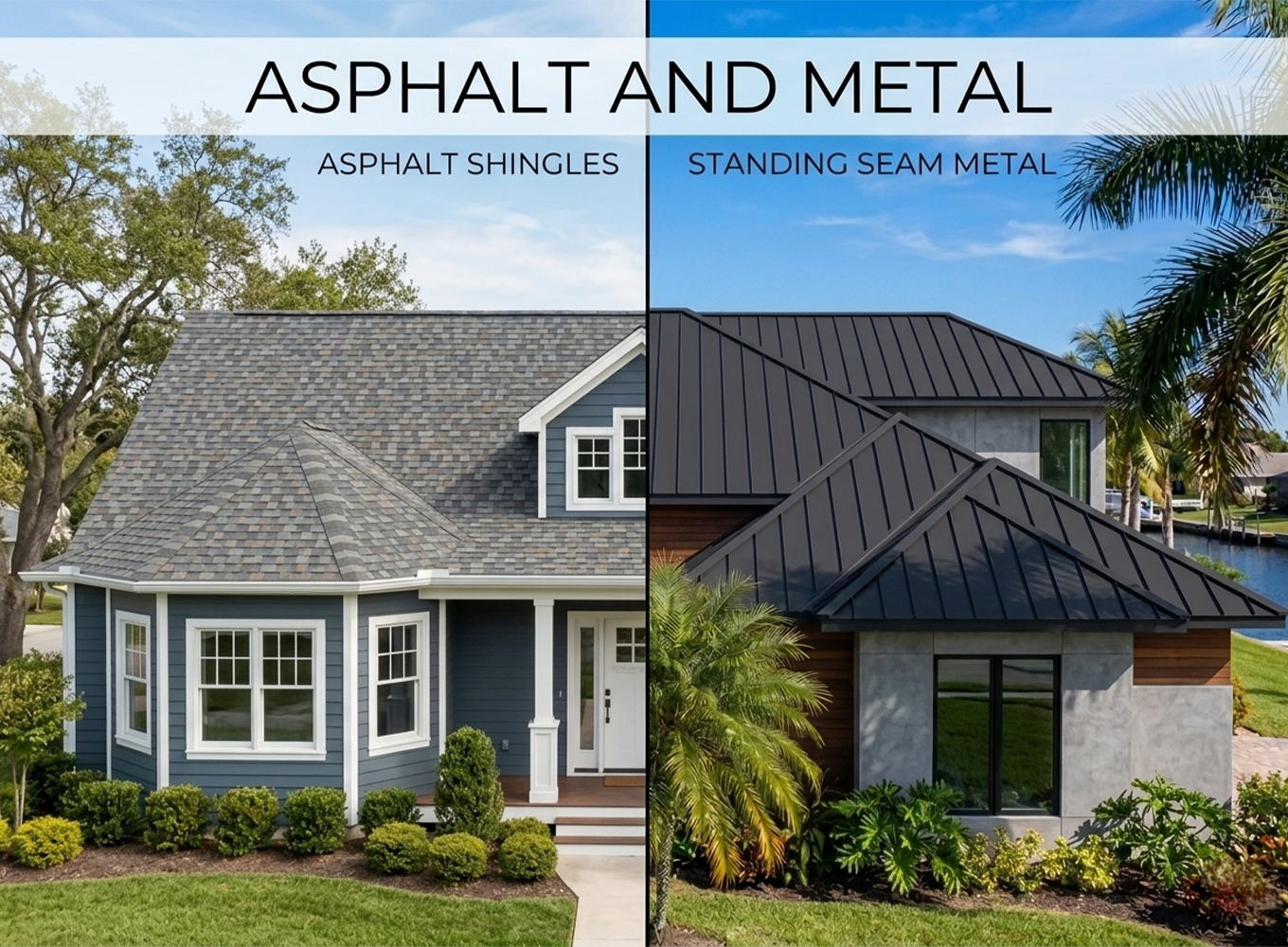
Not all roofs are the same, and different roofing material options can impact how insurance companies view your property. Metal roofs, for example, often last much longer than asphalt shingles and may perform better during hurricane season.
Asphalt shingles are one of the most common materials in Florida, but they tend to have a shorter lifespan. Choosing the right material for your property can impact your long-term roofing needs, maintenance costs, and insurance considerations.

We’re Here to Help
If your insurance company is:
-
Denying your claim
-
Underpaying your roof damage
-
Pressuring you to replace your roof
-
Saying your roof is “too old”
You do not have to handle it alone.
At Vargas Gonzalez Delombard, LLP, we help property owners fight back against insurance companies.
We understand how these claims work, and how to challenge them.
Contact us today for a FREE consultation.
We will review your situation, explain your rights, and help you understand your next steps.
No pressure. Just answers.