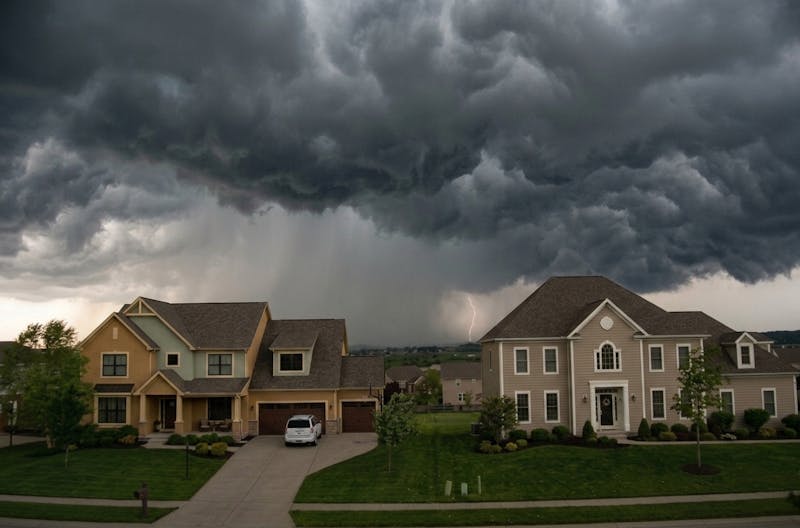
As summer begins, many parts of the United States are already dealing with dangerous weather. Severe thunderstorms, flash flooding, tornadoes, and extreme heat are affecting millions of people from coast to coast. According to recent weather reports, more severe weather is expected throughout the coming weeks.
For homeowners, this is an important reminder to prepare now. Severe weather can cause serious property damage in just a few minutes, and many people do not realize the full extent of the damage until days or even weeks later.
At Vargas Gonzalez Delombard, LLP, we help property owners understand their rights when insurance companies delay, underpay, or deny valid claims. Here is what homeowners should know as severe weather continues across the country.
Severe Storms Are Affecting Millions
Meteorologists are tracking severe weather across several states, especially in parts of Texas, Kansas, Missouri, Oklahoma, Nebraska, and Illinois. Many areas are facing threats from damaging winds, large hail, flash flooding, and tornadoes. More than 50 million people have also been placed under severe weather alerts in parts of the eastern United States.
Strong winds can tear shingles from roofs, break fences, damage siding, and knock down trees. Large hail can crack windows, dent vehicles, and cause roof damage that may not be immediately visible. Tornadoes can create devastating losses in just seconds.
Even if your home appears fine after a storm, hidden damage may exist. Water intrusion, roof leaks, and structural issues can develop over time and become much more expensive if left untreated.
Flash Flooding Remains a Major Concern
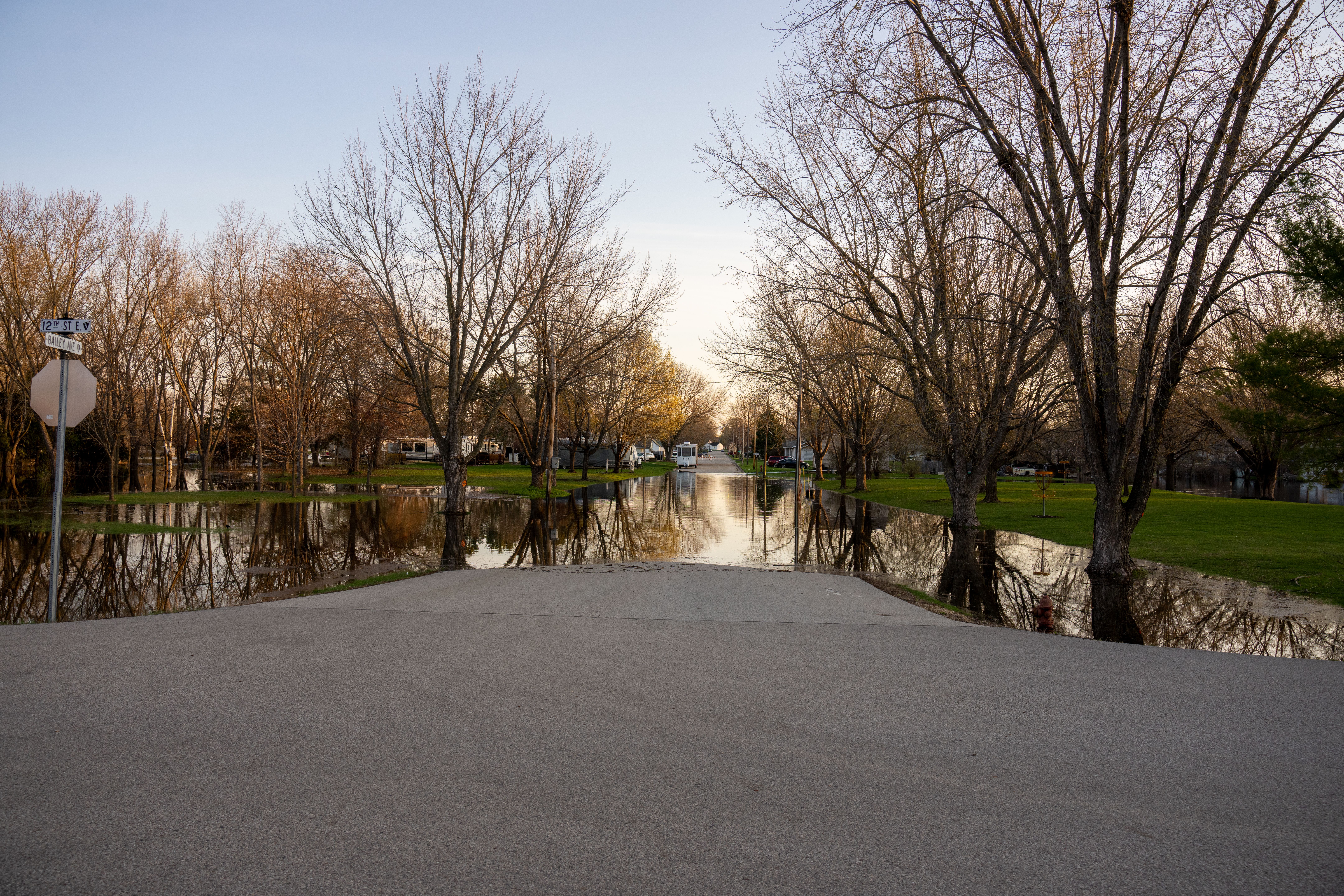
Flooding is one of the most common and costly weather-related disasters in the United States. Recent weather systems have brought heavy rainfall to parts of Kansas, Missouri, Oklahoma, Arkansas, and Texas, increasing the risk of flash flooding.
Floodwaters can enter homes quickly, damaging flooring, drywall, furniture, electrical systems, and personal belongings. In some cases, mold can begin growing within 24 to 48 hours after water enters a property.
Homeowners should remember that flood damage is often treated differently from other types of storm damage under insurance policies. Understanding what your policy covers before disaster strikes can help prevent surprises later.
Extreme Heat Creates Additional Risks
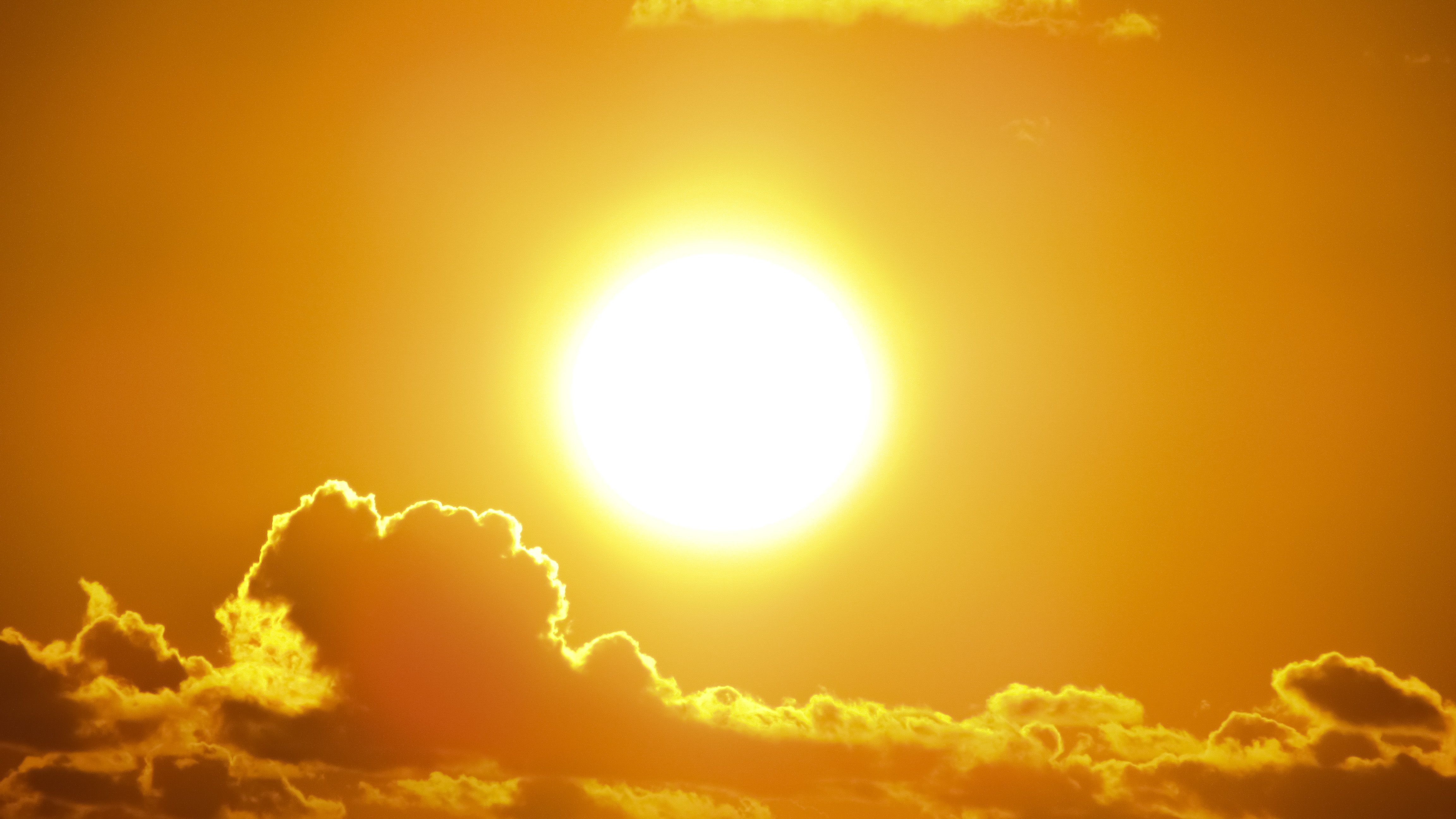
While severe storms are making headlines, dangerous heat is also affecting large portions of the country. Heat advisories have been issued from the East Coast to the Midwest and even parts of the West Coast. Some areas are seeing temperatures and humidity levels that make it feel like more than 100 degrees outside.
Extreme heat does not just affect people—it can also damage property.
Prolonged heat can cause roofing materials to expand and crack. Air conditioning systems may be forced to work harder than normal, increasing the chance of mechanical failure. Dry conditions can also increase wildfire risks in some regions.
For businesses and homeowners alike, preventive maintenance becomes especially important during periods of extreme heat.
What Homeowners Should Do After a Storm
If your property is affected by severe weather, taking the right steps can help protect both your home and your insurance claim.
First, make sure everyone is safe. Avoid downed power lines, flooded areas, and damaged structures.
Next, document everything. Take photographs and videos of any visible damage. This includes your roof, siding, windows, fences, vehicles, and personal property.
You should also keep records of any temporary repairs you make to prevent additional damage. Save receipts for emergency expenses, tarps, water removal services, or temporary housing if necessary.
The more documentation you have, the easier it may be to support your claim later.
Common Insurance Claim Problems
Unfortunately, many homeowners run into problems after filing a property damage claim.
Some insurance companies may argue that damage was caused by normal wear and tear rather than the storm itself. Others may underestimate repair costs or overlook portions of the damage entirely.
In some cases, homeowners receive payments that are far lower than what is actually needed to restore the property.
We frequently see situations where storm-related roof damage, water damage, or structural damage is disputed by the insurance carrier. These disagreements can leave homeowners feeling frustrated and unsure of what to do next.
Understanding your policy and carefully documenting the damage can help strengthen your position if a dispute arises.
Preparing Before the Next Storm
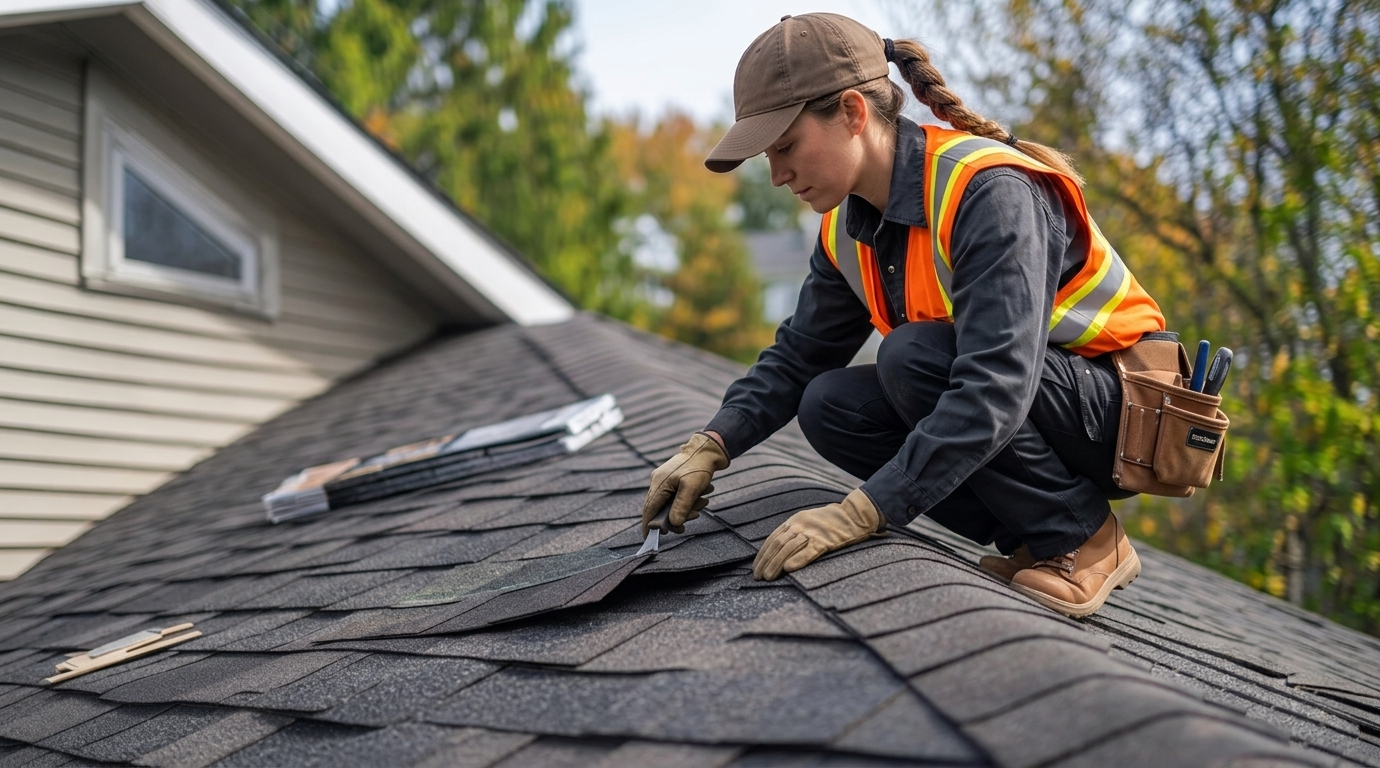
Weather experts expect severe weather threats to continue throughout the summer months. While nobody can stop a storm, homeowners can take steps now to reduce potential damage.
Consider these simple preparation tips:
- Inspect your roof for missing or damaged shingles.
- Trim tree branches that hang near your home.
- Clean gutters and downspouts.
- Secure outdoor furniture and loose objects.
- Review your insurance policy and understand your coverage.
- Create a home inventory with photos and videos of valuable items.
- Store important documents in a safe location.
A little preparation today can make a big difference when severe weather arrives.

Don't Wait Until the Storm Hits
Summer weather can change quickly. One day may bring sunshine, while the next could bring severe thunderstorms, flash flooding, damaging winds, hail, or extreme heat. Recent forecasts show that millions of Americans remain at risk as these weather patterns continue across the country.
If your property suffers damage after a storm, it is important to act quickly, document everything, and understand your rights under your insurance policy.
At Vargas Gonzalez Delombard, LLP, we help homeowners and business owners navigate complex property insurance claims and disputes. When severe weather strikes, knowing your rights can make all the difference.