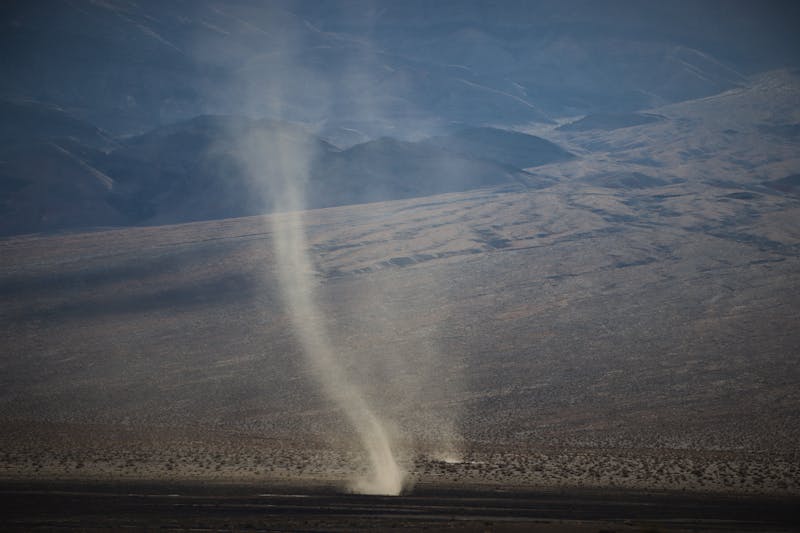
On June 17, 2026, a powerful storm system moved across Illinois, bringing severe thunderstorms, strong winds, large hail, and several tornadoes. The dangerous weather left a path of destruction across multiple communities and prompted tornado warnings throughout the state. In some areas, meteorologists closely monitored weather radar as storms rapidly intensified, creating dangerous conditions for residents.
One of the hardest-hit areas was Effingham County, where a large tornado traveled approximately 12 to 15 miles, damaging homes, businesses, farms, power lines, and historic buildings. Emergency officials reported widespread destruction as the tornado moved through the county.
The severe weather outbreak was not limited to Illinois. Storms also impacted parts of Missouri, Indiana, Iowa, and other Midwest states. Weather experts warned that the same storm system could continue producing dangerous conditions as it moved east. Communities throughout the region faced threats from tornadoes, flooding, damaging winds, and power outages.
Many residents were forced to take shelter as tornado warnings were issued throughout central Illinois. Weather experts had warned that conditions were favorable for strong tornadoes, large hail, flash flooding, and destructive straight-line winds. As the storm system developed, tornadoes were reported in several areas, causing significant damage and widespread power outages.
Tornado Emergency Conditions Reported
During severe weather events, local officials and meteorologists closely monitor radar data to determine the strength and direction of storms. In some situations, storms become so dangerous that a tornado emergency may be declared. A tornado emergency is the highest level of tornado warning and is issued when a large tornado is confirmed and poses an immediate threat to life and property.
While residents across Illinois closely watched weather updates, many had only minutes to seek shelter before the storms arrived. The speed and strength of these storms highlight the importance of having an emergency plan and monitoring local weather alerts during severe weather season.
Historic Church Destroyed
One of the most heartbreaking losses was the destruction of a historic church in the Effingham area. The building had served the community for many years and was considered an important local landmark. Photos from the aftermath showed severe structural damage and debris scattered across the property.
The loss of a historic building is a reminder that severe weather can affect more than just homes. Churches, schools, businesses, and community gathering places can all suffer major damage during a tornado. For many residents, these buildings represent years of memories and local history.
Homes and Businesses Damaged
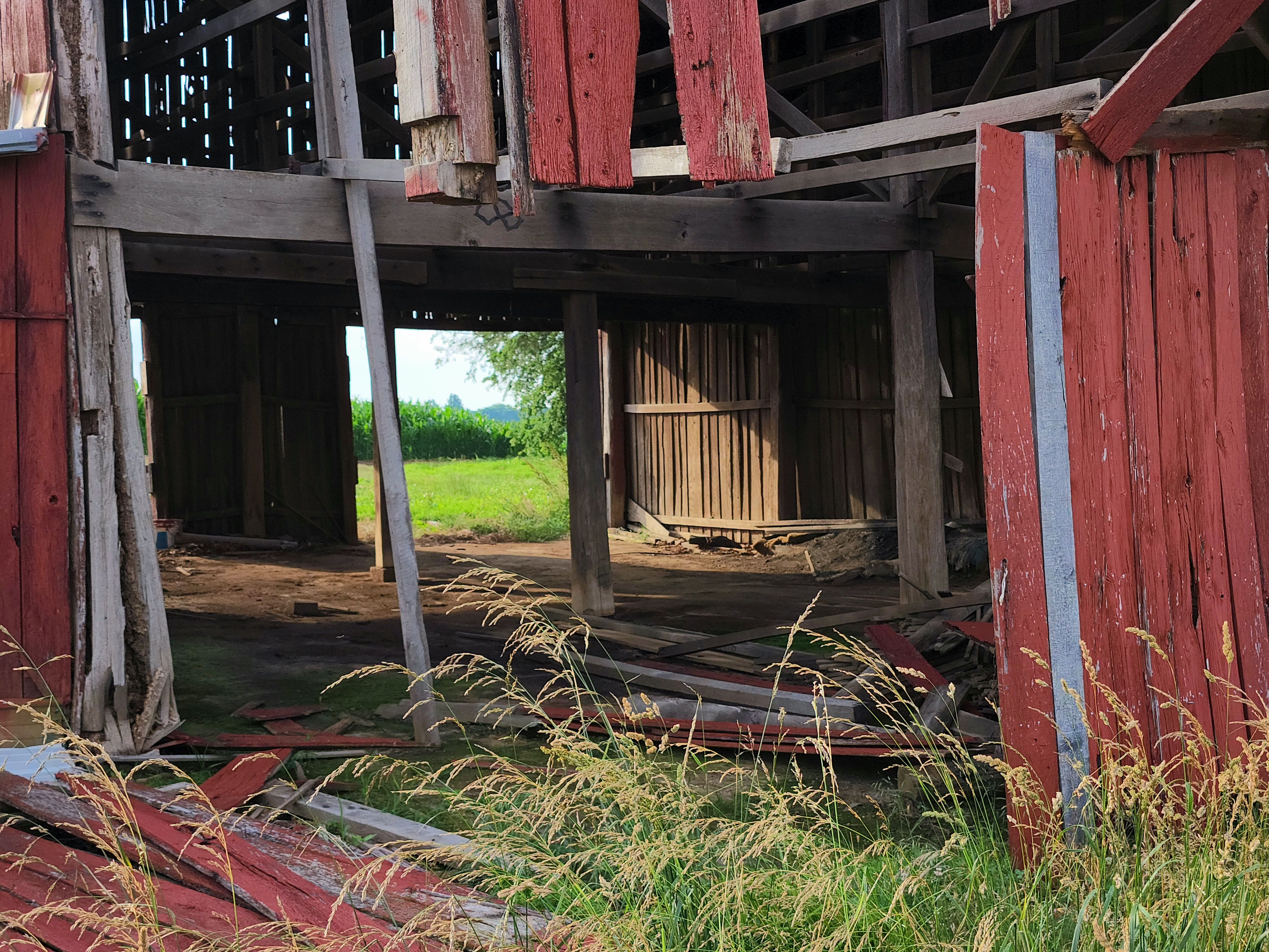
The tornado caused significant damage to homes, barns, farms, and commercial buildings throughout its path. Reports from local officials described destroyed outbuildings, overturned equipment, damaged roofs, and downed power lines. Some residents returned home to find trees uprooted, structures damaged, and personal belongings scattered across their property.
Power outages were also reported as utility crews worked to restore service. Fallen trees and debris blocked roads in several areas, making it difficult for emergency responders to reach some neighborhoods immediately after the storm.
In addition to tornado damage, some communities experienced flooding from heavy rainfall. Floodwaters can create additional problems for homeowners by damaging foundations, flooring, personal belongings, and electrical systems. When severe thunderstorms produce both tornadoes and flooding, property owners often face a lengthy recovery process.
For many families, the recovery process is only beginning. Tornado damage can leave homeowners facing expensive repairs, temporary housing needs, and uncertainty about what their insurance policies will cover.

What Homeowners Should Do After a Tornado
If your home has been damaged by a tornado or severe storm, it is important to take steps to protect both your safety and your insurance claim.
1. Stay Safe First
Before inspecting your property, make sure local officials have declared the area safe. Watch for downed power lines, gas leaks, broken glass, and unstable structures.
2. Document the Damage
Take photos and videos of all visible damage as soon as it is safe to do so. Document damage to your home, roof, vehicles, fences, landscaping, and personal property. The more evidence you have, the stronger your claim may be.
3. Prevent Additional Damage
Most insurance policies require homeowners to take reasonable steps to prevent further damage. This may include placing tarps on damaged roofs or boarding up broken windows. Be sure to keep receipts for any emergency repairs.
4. Save Important Records
Create a list of damaged belongings and keep copies of repair estimates, invoices, receipts, and communications with your insurance company.
5. Review Your Insurance Coverage
Many homeowners are surprised to learn that insurance policies contain exclusions, limitations, or coverage requirements. Understanding what your policy covers can help you avoid problems during the claims process.
Insurance Challenges After Severe Storms
After major tornado events, insurance companies often receive thousands of claims within a short period of time. This can lead to delays, disputes, and disagreements about the amount of damage that occurred.
Some homeowners may receive settlement offers that do not fully cover the cost of repairs. Others may encounter delays while waiting for inspections or claim decisions. In some situations, damage that appears minor at first may reveal more serious structural problems later.
Because of these challenges, homeowners should carefully review any claim decisions and repair estimates they receive.
Severe Weather Season Is Far From Over
Meteorologists continue to warn that severe weather remains a threat throughout much of the Midwest and other parts of the country. States such as Illinois, Missouri, and Texas frequently experience severe thunderstorms, tornadoes, hailstorms, and damaging winds during the spring and summer months.
Even major metropolitan areas such as Chicago can be affected by severe weather outbreaks. Tornadoes can develop quickly and leave devastating damage behind in just a matter of minutes.
Preparing ahead of time can help protect your family and property. Consider creating an emergency plan, reviewing your insurance coverage, maintaining a home inventory, and identifying a safe place to shelter during severe weather.

We're Here to Help
The tornadoes that struck Illinois are a reminder of how quickly severe weather can change lives. Homes, businesses, farms, and entire communities can be affected in a matter of moments.If your property has been damaged by a tornado, severe thunderstorm, flooding event, hailstorm, windstorm, or other severe weather event, it is important to understand your rights under your insurance policy. Keeping detailed records and carefully reviewing your claim can make a significant difference during the recovery process.
At Vargas Gonzalez Delombard, LLP, we understand the challenges homeowners face after severe storms. Our team is committed to helping policyholders navigate the insurance claims process and pursue the benefits they are entitled to receive under their policies.